Revolutionizing the Retail Industry: The Role of EPOS Systems

The retail industry has experienced significant transformations over the years, driven by technological advancements and changing consumer expectations. One such technological innovation that has revolutionized the way retailers operate is the Electronic Point of Sale (EPOS) system. EPOS systems have become an integral part of modern retail businesses, providing numerous benefits and transforming the way transactions are processed, inventory is managed, and customer relationships are nurtured. In this article, we will explore the role of Epos tills in revolutionizing the retail industry.

Revolutionizing the Retail Industry: The Role of EPOS Systems

1. Streamlining Sales Processes:

EPOS systems have greatly streamlined the sales processes in retail stores. With an electronic point of sale system, the traditional cash register is replaced by a computer-based system that allows for faster and more accurate transactions. Retailers can scan barcodes or use RFID technology to quickly register items, calculate prices, and process payments. This efficiency not only saves time but also reduces the chances of human error, leading to more accurate sales records.

2. Real-Time Inventory Management:

One of the key advantages of retail till systems is their ability to provide real-time inventory management. With traditional systems, retailers had to rely on manual stock checks, which were time-consuming and often prone to errors. EPOS systems, on the other hand, automatically update inventory levels as items are sold, allowing retailers to have an accurate view of their stock at any given moment. This real-time visibility enables businesses to optimize their inventory levels, reduce stockouts, and make informed purchasing decisions.

3. Enhanced Customer Relationship Management:

POS till systems in UK play a crucial role in nurturing customer relationships. These systems allow retailers to capture valuable customer data, such as purchase history, preferences, and contact information. With this data, retailers can personalize the shopping experience, offer targeted promotions, and build customer loyalty programs. EPOS systems also facilitate the integration of customer relationship management (CRM) software, enabling retailers to analyze customer behavior, identify trends, and make data-driven decisions to enhance customer satisfaction.

4. Integrated Analytics and Reporting:

Another significant advantage of EPOS systems is their ability to generate detailed analytics and reports. These systems capture a wealth of data on sales, inventory, and customer behavior, which can be analyzed to gain valuable insights. Retailers can identify top-selling products, peak sales periods, and customer buying patterns. This information helps retailers optimize their product offerings, pricing strategies, and marketing campaigns. Retail till system also generate comprehensive reports on sales performance, inventory turnover, and profit margins, allowing retailers to monitor their business's financial health.

5. Efficient Staff Management:

EPOS systems contribute to efficient staff management in retail stores. These electronic till systems can track individual employee sales performance, hours worked, and commission calculations. This data helps retailers evaluate staff productivity, reward high performers, and identify training needs. EPOS systems also facilitate the scheduling of shifts, enabling retailers to optimize staff allocation based on sales data, footfall patterns, and seasonal demands. By automating these processes, electronic till system frees up time for managers to focus on other important aspects of store operations.

6. Integration with E-Commerce:

As e-commerce continues to grow, the integration of till systems in UK with online platforms has become crucial for retailers. EPOS systems can be seamlessly connected with e-commerce websites, allowing retailers to manage inventory, process orders, and synchronize product information across multiple channels. This integration provides a unified view of stock levels, prevents overselling, and ensures consistent pricing and product availability across online and offline channels. By bridging the gap between physical and online retail, EPOS systems enable retailers to offer a seamless and convenient shopping experience to customers.

In conclusion, till systems for retail have revolutionized the retail industry by streamlining sales processes, providing real-time inventory management, enhancing customer relationship management, offering integrated analytics and reporting, enabling efficient staff management, and facilitating integration with e-commerce platforms. As technology continues to advance, we can expect POS till systems to evolve further, providing even more sophisticated features and capabilities. Retailers that embrace these systems and leverage their full potential are likely to gain a competitive edge in an increasingly dynamic and customer-centric retail landscape.

Empowering Retail Businesses with EPOS Systems

In today's competitive retail landscape, businesses are constantly seeking ways to streamline their operations, enhance customer experiences, and maximize profitability. One technology that has proven to be a game-changer for retailers is the Electronic Point of Sale (EPOS) system. EPOS systems combine hardware and software to offer a comprehensive solution that empowers retail businesses across various aspects of their operations. From efficient sales processing to inventory management, customer relationship management, and data analysis, the retail till system provides a range of benefits that can transform the way retailers operate and thrive in the modern market.

Sales Processing and Checkout Efficiency:

One of the primary advantages of POS systems is their ability to streamline sales processing and enhance checkout efficiency. Traditional cash registers or manual systems are prone to human error and can result in slow transactions. POS systems automate these processes, reducing the likelihood of errors and speeding up checkout times. With features like barcode scanning, integrated payment processing, and automated receipt printing, POS systems enable retailers to process transactions quickly and accurately, enhancing customer satisfaction and reducing wait times.

Inventory Management and Stock Control:

Efficient inventory management is crucial for any retail business. Till systems for retail provide retailers with real-time visibility into their inventory, allowing them to effectively track stock levels, monitor sales patterns, and make data-driven decisions about reordering. Automatic stock alerts can be set up to notify retailers when items are running low or need to be restocked, preventing stockouts and ensuring that popular items are always available. With accurate stock information at their fingertips, retailers can optimize their inventory, minimize waste, and improve cash flow by reducing excess stock.

Customer Relationship Management:

Building and maintaining strong customer relationships is essential for the success of any retail business. POS systems offer CRM functionalities that enable retailers to gather and store customer information, including purchase history, preferences, and contact details. This data can be leveraged to personalize customer interactions, create targeted marketing campaigns, and provide better customer service. POS systems also facilitate loyalty programs, allowing retailers to reward their frequent customers and encourage repeat business. By understanding customer behaviors and preferences through the CRM features of POS systems, retailers can tailor their offerings to meet customer needs and foster long-term loyalty.

Data Analysis & Reporting:

POS systems generate comprehensive data reports that provide valuable insights into the performance of retail businesses. These reports can include information on sales trends, popular products, peak business hours, and employee performance, among other metrics. By analyzing this data, retailers can make informed decisions regarding pricing strategies, marketing initiatives, and operational improvements. POS systems also enable retailers to identify their most profitable products, understand customer buying patterns, and forecast demand more accurately. Armed with these insights, retailers can optimize their business strategies, improve overall performance, and stay ahead of the competition.

Empowering Retail Businesses with EPOS Systems

Point of Sale (POS) systems have revolutionized the way retail businesses operate, providing numerous benefits that enhance efficiency, customer service, and overall profitability. Here are some key advantages that retail businesses can enjoy by implementing POS systems:

1. Streamlined Operations: POS till system UK automate various tasks such as inventory management, sales tracking, and order processing. By centralizing these functions, businesses can significantly reduce the time and effort required for manual record-keeping, data entry, and reconciliation. This streamlining of operations enables staff to focus on more productive and customer-oriented activities.

2. Inventory Management: Accurate inventory management is crucial for retail businesses to avoid stockouts and overstocking. POS systems allow real-time tracking of inventory levels, automating reordering processes and providing valuable insights into stock movement. With better inventory control, businesses can optimize their stock levels, reduce carrying costs, and ensure that popular items are always available to customers.

3. Enhanced Sales Analysis: POS systems capture and analyze sales data, providing valuable insights into customer buying patterns, product performance, and sales trends. This information allows businesses to make data-driven decisions regarding pricing, promotions, and product assortment. With comprehensive sales analysis, retailers can identify their best-selling products, create targeted marketing campaigns, and improve overall sales performance.

4. Improved Customer Experience: POS systems enable faster and more accurate transactions, leading to shorter checkout times and reduced queues. They also provide staff with access to customer information, including purchase history and preferences, allowing for personalized and efficient service. Additionally, integrated loyalty programs and customer relationship management (CRM) features within POS systems help businesses build stronger customer relationships and foster repeat business.

5. Employee Management: POS systems facilitate effective employee management by tracking sales performance, monitoring productivity, and managing work schedules. These systems can generate reports on individual employee performance, helping managers identify top performers, provide training where needed, and incentivize staff based on their sales achievements. Streamlining employee management processes ultimately contributes to a more motivated and efficient workforce.

6. Accurate Financial Reporting: Traditional manual record-keeping methods are prone to human errors, which can lead to financial discrepancies and potential losses. Electronic till system automates financial processes, ensuring accurate and consistent recording of sales, refunds, taxes, and discounts. By generating comprehensive financial reports, businesses can easily monitor cash flow, track expenses, and simplify tax filing.

7. Integration with E-commerce: Many modern POS systems offer seamless integration with e-commerce platforms, enabling retailers to synchronize their in-store and online operations. This integration allows businesses to maintain consistent inventory levels across multiple sales channels, centralize customer data, and offer a unified shopping experience. By embracing omnichannel retailing, retailers can expand their reach, attract more customers, and boost overall revenue.

8. Scalability and Adaptability: POS systems can adapt to the changing needs of a retail business, making them suitable for businesses of all sizes and types. Whether it's a single-store operation or a large retail chain, POS systems can scale and accommodate additional functionalities as the business grows. This flexibility allows retailers to invest in a solution that aligns with their current requirements while ensuring the system can evolve alongside future needs.

Conclusion:

Shop till system that has revolutionized the retail industry, empowering businesses with advanced functionalities and tools to enhance operations, improve customer experiences, and boost profitability. From efficient sales processing and inventory management to customer relationship management and data analysis, by embracing POS technology, retailers can gain a competitive edge in today's dynamic retail landscape and position themselves for long-term success.

Boosting Efficiency and Customer Satisfaction with Hospitality EPOS Systems

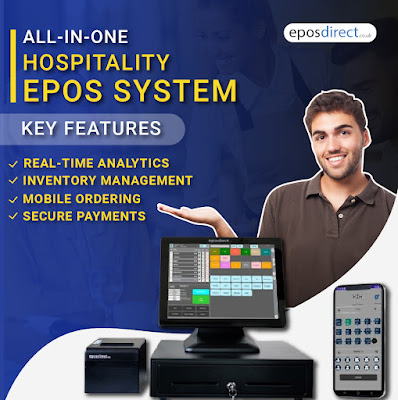
Efficiency and customer satisfaction are key priorities in the hospitality industry. To stay competitive and deliver exceptional service, businesses must constantly seek ways to streamline operations and enhance the guest experience. One powerful tool that has revolutionized the industry is the hospitality epos system. By leveraging the capabilities of these advanced systems, businesses can optimize their operations, improve efficiency, and ultimately enhance customer satisfaction.

Hospitality epos software offers a range of features designed specifically for the needs of restaurants, hotels, and other establishments in the industry. These systems combine hardware and software components to provide a comprehensive solution for managing various aspects of the business, including order processing, inventory management, payment processing, and customer relationship management.

One of the key advantages of EPOS systems is the automation of manual processes. With traditional methods, staff members had to manually take orders, calculate bills, and update inventory records. This not only increased the chances of errors but also consumed valuable time and resources. EPOS systems streamline these tasks by automating the process. Orders are entered directly into the system, bills are calculated accurately, and inventory levels are automatically updated in real time. This automation reduces the risk of errors and frees up staff members to focus on providing better customer service.

Boosting Efficiency and Customer Satisfaction with Hospitality EPOS Systems


Efficiency is further enhanced through the integration of various modules within the restaurant epos system UK. For example, when a customer places an order, the system can instantly transmit it to the kitchen or bar, ensuring that the order is prepared promptly. It eliminates the need for staff members to physically deliver the order, reducing wait times and increasing overall efficiency. Additionally, integrated inventory management modules help businesses keep track of stock levels, automatically generating alerts when items need to be reordered. It prevents stockouts and enables better planning, leading to smoother operations and satisfied customers.

EPOS systems also facilitate seamless payment processing, which is crucial for customer satisfaction. With integrated payment modules, customers can settle their bills quickly and conveniently using a variety of methods, including credit cards, mobile payments, or even contactless options. This reduces the time spent on payment processing, minimizing wait times and improving the overall dining or check-out experience for customers.

Moreover, the point-of-sale system enables businesses to gather valuable data about their customers, which can be used to enhance their experience and build stronger relationships. Customer relationship management (CRM) features within EPOS systems capture information such as preferences, order history, and contact details. This data can be leveraged to provide personalized experiences, tailor marketing efforts, and offer targeted promotions. By understanding their customers better, businesses can anticipate their needs and provide a higher level of service, ultimately leading to increased satisfaction and loyalty.

In addition to operational efficiency, EPOS systems also provide valuable analytical insights. These systems generate detailed reports and analytics, offering businesses a comprehensive overview of their performance. Managers can analyze sales trends, identify popular items, and track staff productivity. This data-driven approach enables informed decision-making, helping businesses optimize their operations, identify areas for improvement, and make strategic changes to drive growth and profitability.

To summarize, the epos system for restaurants has become an indispensable tool for boosting efficiency and enhancing customer satisfaction in the hospitality industry. By automating manual processes, integrating various modules, facilitating seamless payments, and providing valuable data insights, these systems optimize operations and enable businesses to deliver exceptional service. In an increasingly competitive landscape, investing in an EPOS system for hospitality is a smart choice for businesses looking to stay ahead and provide a superior guest experience.

The Importance Of Epos System For A Restaurant.

An EPOS (Electronic Point of Sale) system is crucial for the smooth operation and success of a restaurant. It provides numerous benefits that enhance efficiency, accuracy, and customer satisfaction. Here are some key reasons why an EPOS system is important for a restaurant:

Streamlined Order Management: An EPOS system for restaurants allows staff to quick and accurately take orders. It streamlines the process by eliminating the need for handwritten notes or verbal communication between servers and kitchen staff. Orders are directly entered into the system, reducing errors and ensuring that all necessary details are captured.

Inventory Management: Helps in efficient inventory management by automatically tracking stock levels. As orders are placed, the system deducts the items used from the inventory, providing real-time data on ingredient quantities. This feature helps prevent overstocking or running out of crucial ingredients, optimizing supply chain management and reducing costs.

Menu and Pricing Control: With an electronic point-of-sale system, restaurants can easily manage menus and pricing. Changes to the menu, special offers, or pricing can be updated across all devices and terminals instantly. This ensures consistency in information and eliminates the need for manual price adjustments, reducing the chances of errors and discrepancies.

The Importance Of Epos System For A Restaurant


Enhanced Reporting and Analytics: EPOS     provide valuable insights through detailed reporting and analytics. Restaurant owners and managers can access comprehensive data on sales, revenue, inventory usage, and customer preferences. This information allows them to make informed business decisions, identify trends, and optimize operations for better profitability.

Efficient Payment Processing: Streamline the payment process by accepting various payment methods, such as cash, credit/debit cards, and mobile payments. They calculate the total bill accurately, apply for discounts or promotions automatically, and provide a seamless transaction experience for customers. This leads to faster service and improved customer satisfaction.

Integration with Other Systems: Easily integrate with other restaurant management systems, such as accounting software, customer relationship management (CRM) tools, and online ordering platforms. This integration facilitates a smooth data flow between different systems, eliminating the need for manual data entry and reducing the chances of errors.

Table Management and Reservations: Often include features for table management and reservations. They allow hosts or hostesses to efficiently manage seating arrangements, track table availability, and manage reservations effectively. This ensures optimal utilization of seating capacity and reduces wait times, enhancing the overall dining experience.

In summary, the POS till system plays a vital role in the restaurant industry by improving order management, inventory control, pricing accuracy, reporting and analytics, payment processing, integration with other systems, and table management. By leveraging these benefits, restaurants can streamline their operations, enhance customer satisfaction, and drive overall success. Check for the best epos system for sale offers and choose Epos Direct for the best epos system.

The Importance of POS Systems for the Hospitality Industry While Implementing?

The importance of POS systems has increased significantly in recent times, especially with the emergence of cloud-based POS systems. Therefore, it is no longer enough to think of a point-of-sale system comparable to the retail till system. These systems are now smart service solutions that have the potential to fundamentally change hospitality businesses.  

Effective use of point-of-sale systems allows businesses to quickly and conveniently provide services to customers, allowing them to efficiently pay for goods and services, using multiple methods – often without must go to a dedicated payment area. However, the benefits of a point-of-sale system go beyond the customer experience. 

The use of point-of-sale systems allows for instant and continuous communication between different departments and even different branches of the same company. Systems can help eliminate miscalculations and can also ensure that all parts of the business have access to the most important information regarding inventory and availability. 

When used to their full potential, point-of-sale systems can help with reporting, data analysis, and many other internal processes critical to business success. Best of all, the best epos system for a restaurant can improve employee productivity, eliminate unnecessary friction, automatically apply special offers on purchases, and help with business administration.  

3 Pain points you may encounter when implementing a POS system in your business

When implementing an epos system in a business in the hospitality industry, you may encounter three main problems. In the sections below, you can learn more about these and how to fix them.  

1) Define your business scope and the purpose of the epos system therein

First of all, it is important to clarify that the goals of the point of sale system and the selection criteria can vary depending on the size of the company. A small local business operating out of a building may only need a simple system, but if you are a hotel or restaurant chain, you may need a system that is accessible from anywhere and managed from the outside. With that in mind, you need to define your business, your goals, and why you need a point-of-sale system. 

2) Define the functions you need from the point of sale, including analytics

Next, it's important to use the scope you defined in the previous step to determine the features you need from your epos system for a cafe. Do you need retail functionality? Takeaway feature? What about a webshop? Do you need analytical tools? How much customization do you need? In this context, you must also take into account your plans and the evolution of your needs over the coming months and years. 

3) Train employees to use the point-of-sale system

While epos systems are a powerful tool in the hotel industry, they are not only useful for hospitality management. Your regular employees will have to use the till systems for hospitality daily, which requires training. However, you need to think about this holistically rather than just teaching employees how to use the offered features. How can an employee determine the payment period for an additional sale? Where can employees find product or service information? Try to train your employees to practically use the full range of tools they have.

How Epos Integration Help Boost Efficiency At Your Hospitality Business

In recent years, the hospitality industry has moved from being wary of digitization to embracing technology. Restaurants now have tools that help them manage all front and back aspects of the home: reservations, staffing, inventory, loyalty programs, takeout and delivery, and more.

While this allows them to do more for less, it also creates a situation where they have four or five stand-alone technology solutions that work independently. However, when two apps share data, you can connect the dots and get a much bigger picture.  

Now, let's take a look at 10 POS integrations that will help you improve the efficiency of your restaurant:

1. Loyalty app 

Loyalty app linked to your electronic point of sale, you can attract more recurring consumers. With the help of loyalty programs, your customers can earn incentive points or get a certain percentage every time they purchase your establishment. These apps appeal to the younger generation, who love to download and use apps and encourage regular customers to choose your restaurant.

The powerful loyalty app programming can also provide time-limited and automated messages for discounts, as well as ways to integrate them into the app. 

2. Discovery app 

Yelp, Zagat, Eat App and TripAdvisor are just a few apps that can help hungry diners find their next meal. These apps are often used by young diners to find the best restaurants nearby or while travelling. Make sure your location ranks well on restaurant mobile apps to attract customers. Promote these apps directly and invite your customers to share reviews and photos.

3. Order online 

Your customers can order pick up or delivery from their phone or tablet using online ordering apps integrated with epos software for takeaway installed on your epos system. Buying food and items can be made easier using online ordering apps, which can be set up through a point-of-sale system or as a stand-alone ordering kiosk.

4. Table management and reservation platform

If you want to improve customer service, integrating reservation and table management is essential for restaurants, especially for busy venues with long waiting lists and many tables. Customers can use booking apps to make, change, and cancel reservations without your staff. Ordering time, the right time to sit down, and kitchen workloads can all be improved with automated table monitoring and management. Plus, it improves employees' ability to deliver superior customer service.

5. HR and Staffing Apps

Staffing and human resources apps now allow potential employees to sign up, join, and maintain virtual timesheets. Human resources are no longer a world of mountains of paperwork, tax forms and benefits tracking can be done in these powerful apps. Even if not all HR components are fully integrated with your POS, application reports can still be loaded (and vice versa). The most recent apps will integrate both payroll and timekeeping processes.

6. Planning Tool

Not surprisingly, employment in the hospitality industry is sporadic. There is nothing more tedious than scheduling an employee week after week only to discover that a waiter is about to request time off or is about to work overtime. Regardless of your experience with schedules, mistakes always happen. With connectors that record time off requests, track overtime, and make it easier for employees to change shifts, you can eliminate scheduling errors and increase efficiency. By eliminating scheduling conflicts, your restaurant can maintain enough staff without any hassle, leaving you more time to focus on delivering outstanding customer service.

7. Protection against loss of income

Free drinks, unnecessary rewards, and unused inventory may seem like small losses at first, but over time these poorly managed errors can add up and cost your business a lot of money. Unfortunately, employee error or theft is the cause of most losses. Fortunately, this can be avoided with an integrated tracking system with epos software.

Robust reporting procedures are eliminated by using secure point-of-sale accounting software like QuickBooks, which reports revenue, loss, and profit expenses in real-time. Instead, these cloud-based features monitor real-time inventory adjustments and record balances and transactions. Implementing a point-of-sale system with built-in loss prevention and security measures helps maintain accurate inventory management, boost employee morale, and keep your business profitable.

8. Direct Marketing

Epos system for hospitality and loyalty apps can simply be combined with geo-fenced marketing materials like today's promotions. Customers inside or outside the geofence can receive personalized messages through the loyalty app itself, based on their preferences. For example, if a consumer is at another property near your restaurant and hears about the promotion, they are more likely to stop by for a snack and a cup of coffee that afternoon.  

9. Remote Management Tools

Any restaurant owner can improve the look and feel of their establishment by abandoning bulky outdated devices and switching to an Android tablet or iPad to take orders and process payments. The flexibility of remote administration is just another great benefit of a POS application. With POS apps, you can access the cloud-based dashboard from anywhere you have an internet connection and review your reports there.

10. Menu management application

By integrating your menu management tool, you can design custom icons that can be colour-coded according to significant health issues, such as allergies, diabetes, high sodium options or low calories. Staff can communicate more effectively with customers about menu ingredients using icons that can be quickly identified and categorized.

Role of Restaurant Electronic Point Of Sale Systems In Growing Businesses

All businesses need a point-of-sale system (POS system). 

Whether you run a restaurant business or a bar, you need an electronic point of sale system (or Epos system) to accept payments, sell products, and grow your business.

The question is, how do you use a POS system to grow your business? 

In this article, one can understand how you can use EPOS systems in different store settings and how they can help grow your business. Let's start.

Restaurant Electronic Point Of Sale Systems


How Epos System For Restaurants Can Help Grow Your Business

The point-of-sale system is similar to a command centre. 

They allow businesses to manage inventory, help employees find items, process sales, and streamline collaboration between multiple departments.

A powerful Epos system will allow you to automatically route funds to your bank account after each sale. 

There are a few standard features that can help you grow your business. 

Payment Processing

Every time a customer buys your product, your electronic point-of-sale systems can manage a variety of transactions, from cash and mobile wallets to magnetic stripe credit cards and chip cards.

Sales Report

With detailed sales reports, you can make better business decisions, minimize stockouts, and take advantage of opportunities.

 The sales report should also include sales by product (or product type), customer (or customer group), cost of goods sold, total sales, profit margin, and taxes.

Inventory Management

Powerful inventory management software, no matter the size of the business, is essential. It can help you manage sudden changes in demand, keep track of all your supplies, and deliver a great customer experience.

Customer Relationship Management (CRM)

A CRM-enabled epos system for restaurants allows you to personalize your marketing and customer service efforts.

Employee Management

Employee management provides information, allowing you to better plan and manage human resources effectively and increase productivity. 

Tip Support

For restaurants and businesses in the hospitality and service industries, epos restaurant software allows customers to tip digitally during checkout is essential.

Receipt

Your business must issue receipts for all purchase transactions.

Receipts ensure clear communication with customers and make the refund process easier. 

Product Performance Report

Product performance reports show you how many products you sold in a specific period, which products are generating the most profit, and how fast they are selling.

This report tells you which items are worth investing in and which should stop selling.

Final Words

Epos Direct is the original manufacturer of epos systems in the UK and provides epos systems for pubs, bars, cafes and more. For more information, you can visit our website or contact us at www.eposdirect.co.uk

How Hospitality Epos Systems Can Help You Manage Hospitality Business?

Efficiency and a focus on customer experience are paramount in today’s fast-paced world. Whether you run a bustling restaurant, a charming b...