Showing posts with label epos software for takeaway. Show all posts

Profit-Boosting EPOS for the Hospitality Industry

The hospitality industry is a dynamic and fast-paced sector, characterized by its constantly changing demands and the need for precision in service delivery. To stay competitive and maximize profitability, businesses in this industry have increasingly turned to technology for assistance. One such technological advancement that has revolutionized the hospitality sector is the Electronic Point of Sale (EPOS) system. EPOS systems have proven to be a game-changer for restaurants, hotels, bars, and other establishments in the industry. In this article, we will explore how EPOS systems can boost profits for the hospitality industry.

What is EPOS?

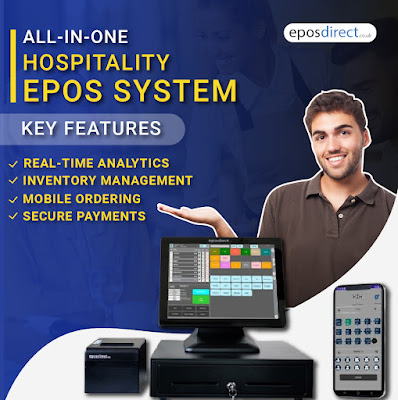
EPOS stands for Electronic Point of Sale, and it is a computerized system used by businesses to manage sales, process transactions, and collect and store data. In the hospitality industry, EPOS systems have become a central component of daily operations. These systems typically include hardware like touchscreen terminals, receipt printers, and card payment machines, as well as software that manages inventory, customer data, and transactions.

Streamlined Operations

One of the primary ways EPOS systems boost profits in the hospitality industry is by streamlining operations. Traditional methods of order-taking, payment processing, and inventory management can be time-consuming and prone to errors. EPOS systems automate many of these tasks, reducing the risk of human error and saving staff valuable time.

For example, when a customer places an order in a restaurant, the server can input the order directly into the EPOS system through epos software for takeaway. The order is then sent to the kitchen or bar, reducing the time it takes for the order to reach the customer. It not only improves customer satisfaction but also increases table turnover and revenue.

Enhanced Efficiency

Efficiency is the cornerstone of profitability in the hospitality industry. EPOS systems enhance efficiency in various ways. They allow for faster and more accurate order processing, reducing the time it takes for customers to receive their orders. This, in turn, increases the capacity of a restaurant or bar, enabling them to serve more customers during peak hours.

Furthermore, EPOS systems make it easier to manage inventory. Restaurants can track ingredient usage in real time, automatically generating alerts when certain items are running low. It prevents situations where a restaurant runs out of a key ingredient during a busy dinner service, ensuring that it can continue to serve customers and generate revenue.

Data-Driven Decision Making

Electronic till system provides businesses with a wealth of data that can be used to make informed decisions. Sales data, customer preferences, and inventory information are just a few examples of the data collected and stored by these systems. Analyzing this data can help businesses identify trends and opportunities for profit maximization.

For instance, a restaurant may notice that a particular dish is consistently popular on weekends. With this data in hand, they can adjust their menu and pricing strategy to maximize profits during peak times. Similarly, understanding customer preferences and purchasing habits allows businesses to tailor marketing efforts to target specific customer segments more effectively.

Improved Customer Experience

In the hospitality industry, customer satisfaction is paramount. Happy customers are more likely to return and recommend the establishment to others. EPOS systems play a crucial role in enhancing the customer experience. They reduce wait times, ensure order accuracy, and facilitate a more efficient payment process.

Moreover, EPOS systems often integrate with customer loyalty programs. By tracking customer data and purchase history, businesses can reward loyal customers with discounts, special offers, or personalized recommendations. It not only fosters customer loyalty but also increases the likelihood of repeat business, which is a key driver of profitability.

Cost Reduction

EPOS systems are not just about generating more revenue; they also help in reducing costs. They streamline inventory management, reducing the risk of over-ordering or wastage. They also facilitate better staff management by tracking working hours and productivity. It can help businesses optimize their staffing levels, ensuring they have the right number of employees on hand to meet customer demand without unnecessary labour costs.

Additionally, EPOS touch screen systems can assist with fraud prevention. They track each transaction and ensure that cash handling is accurate. It can significantly reduce the risk of theft or employee fraud, which can eat into profits.

Integration and Scalability

EPOS systems are versatile and can be tailored to the specific needs of a hospitality business. They can integrate with other systems, such as accounting software and reservation platforms, creating a seamless operation. This integration simplifies administrative tasks and ensures that data flows smoothly between different aspects of the business.

Moreover, EPOS systems are highly scalable. Whether a business is a small cafe or a large hotel, EPOS systems can be customized to fit the scale and complexity of operations. This means that as a hospitality business grows, its EPOS system can grow with it, providing the necessary support for increased demand and complexity.

Mobile and Contactless Payments

The modern consumer expects convenience when it comes to payment methods. EPOS systems in the hospitality industry have adapted to this by allowing mobile and contactless payments. This not only speeds up the payment process but also caters to the preferences of a wider customer base.

Mobile payment options like Apple Pay and Google Wallet have become increasingly popular, and EPOS systems that support these options are more likely to attract tech-savvy customers. Additionally, contactless payments reduce the need for cash handling, which can improve security and reduce the risk of errors during payment processing.

Inventory Management

Effective inventory management is a crucial aspect of profit maximization in the hospitality industry. EPOS systems provide a real-time view of inventory levels and can automate reordering processes. This ensures that businesses always have the right amount of stock on hand, preventing costly shortages or overstocking. In addition, EPOS systems can track the shelf life of perishable items, reducing food waste and associated costs.

Advanced Reporting and Analytics

EPOS systems offer robust reporting and analytics features. Business owners and managers can access detailed reports on sales trends, employee performance, and inventory turnover. This data can be used to make informed decisions about pricing, staffing, and inventory management. It also helps identify areas where operational improvements can be made to increase efficiency and reduce costs.

Compliance and Security

In the hospitality industry, compliance with payment card industry (PCI) standards and data security is of utmost importance. EPOS systems are designed to comply with these standards, ensuring that customer payment data is protected. This not only safeguards the business from potential legal issues but also builds trust with customers, who want to know that their data is secure when making payments.

Conclusion

In the competitive world of the hospitality industry, every advantage counts when it comes to boosting profitability. EPOS systems have emerged as a powerful tool for achieving this goal. Their ability to streamline operations, enhance efficiency, provide valuable data, and improve the overall customer experience makes them an essential investment for businesses in this sector. Moreover, as technology continues to advance, systems like pub epos system evolve and offer even more profit-boosting capabilities, ensuring that the hospitality industry remains at the forefront of technological innovation. By harnessing the potential of EPOS systems, businesses in the hospitality industry can enjoy increased profits while providing an exceptional experience for their customers.

How Epos Integration Help Boost Efficiency At Your Hospitality Business

In recent years, the hospitality industry has moved from being wary of digitization to embracing technology. Restaurants now have tools that help them manage all front and back aspects of the home: reservations, staffing, inventory, loyalty programs, takeout and delivery, and more.

While this allows them to do more for less, it also creates a situation where they have four or five stand-alone technology solutions that work independently. However, when two apps share data, you can connect the dots and get a much bigger picture.  

Now, let's take a look at 10 POS integrations that will help you improve the efficiency of your restaurant:

1. Loyalty app 

Loyalty app linked to your electronic point of sale, you can attract more recurring consumers. With the help of loyalty programs, your customers can earn incentive points or get a certain percentage every time they purchase your establishment. These apps appeal to the younger generation, who love to download and use apps and encourage regular customers to choose your restaurant.

The powerful loyalty app programming can also provide time-limited and automated messages for discounts, as well as ways to integrate them into the app. 

2. Discovery app 

Yelp, Zagat, Eat App and TripAdvisor are just a few apps that can help hungry diners find their next meal. These apps are often used by young diners to find the best restaurants nearby or while travelling. Make sure your location ranks well on restaurant mobile apps to attract customers. Promote these apps directly and invite your customers to share reviews and photos.

3. Order online 

Your customers can order pick up or delivery from their phone or tablet using online ordering apps integrated with epos software for takeaway installed on your epos system. Buying food and items can be made easier using online ordering apps, which can be set up through a point-of-sale system or as a stand-alone ordering kiosk.

4. Table management and reservation platform

If you want to improve customer service, integrating reservation and table management is essential for restaurants, especially for busy venues with long waiting lists and many tables. Customers can use booking apps to make, change, and cancel reservations without your staff. Ordering time, the right time to sit down, and kitchen workloads can all be improved with automated table monitoring and management. Plus, it improves employees' ability to deliver superior customer service.

5. HR and Staffing Apps

Staffing and human resources apps now allow potential employees to sign up, join, and maintain virtual timesheets. Human resources are no longer a world of mountains of paperwork, tax forms and benefits tracking can be done in these powerful apps. Even if not all HR components are fully integrated with your POS, application reports can still be loaded (and vice versa). The most recent apps will integrate both payroll and timekeeping processes.

6. Planning Tool

Not surprisingly, employment in the hospitality industry is sporadic. There is nothing more tedious than scheduling an employee week after week only to discover that a waiter is about to request time off or is about to work overtime. Regardless of your experience with schedules, mistakes always happen. With connectors that record time off requests, track overtime, and make it easier for employees to change shifts, you can eliminate scheduling errors and increase efficiency. By eliminating scheduling conflicts, your restaurant can maintain enough staff without any hassle, leaving you more time to focus on delivering outstanding customer service.

7. Protection against loss of income

Free drinks, unnecessary rewards, and unused inventory may seem like small losses at first, but over time these poorly managed errors can add up and cost your business a lot of money. Unfortunately, employee error or theft is the cause of most losses. Fortunately, this can be avoided with an integrated tracking system with epos software.

Robust reporting procedures are eliminated by using secure point-of-sale accounting software like QuickBooks, which reports revenue, loss, and profit expenses in real-time. Instead, these cloud-based features monitor real-time inventory adjustments and record balances and transactions. Implementing a point-of-sale system with built-in loss prevention and security measures helps maintain accurate inventory management, boost employee morale, and keep your business profitable.

8. Direct Marketing

Epos system for hospitality and loyalty apps can simply be combined with geo-fenced marketing materials like today's promotions. Customers inside or outside the geofence can receive personalized messages through the loyalty app itself, based on their preferences. For example, if a consumer is at another property near your restaurant and hears about the promotion, they are more likely to stop by for a snack and a cup of coffee that afternoon.  

9. Remote Management Tools

Any restaurant owner can improve the look and feel of their establishment by abandoning bulky outdated devices and switching to an Android tablet or iPad to take orders and process payments. The flexibility of remote administration is just another great benefit of a POS application. With POS apps, you can access the cloud-based dashboard from anywhere you have an internet connection and review your reports there.

10. Menu management application

By integrating your menu management tool, you can design custom icons that can be colour-coded according to significant health issues, such as allergies, diabetes, high sodium options or low calories. Staff can communicate more effectively with customers about menu ingredients using icons that can be quickly identified and categorized.

What Features To Look In EPOS System For Your Restaurant

In a fast-paced and fast-growing restaurant industry, it is to find an epos system that can keep up. Modern epos software has evolved into a tool that streamlines every aspect of the restaurant business, from customer experience to management responsibilities.

As you move through the process of evaluating epos software for takeaway or your restaurant, there are a few significant factors to consider as you compare. Think about how new systems will affect your customers, staff, and profits. Test or demo every solution that shortlists and look for the features that matter most to your team.

Pay your attention to the following seven areas:

1. Customer Experience

At the end of the day, you should keep your customers satisfied. Having a restaurant epos system in the UK that improves customer experience is essential. Customers appreciate being able to seamlessly split checks, move bar tab, switch tables - and a special reward, having the option to make a payment right from their seat through the waiter's Pad.

2. User Experience

Your staff use advanced software in their personal lives. Coming into your restaurant and using poorly designed software can quickly turn into a major reason for dissatisfaction. Epos system that is intuitive, easy to use and navigate, makes for a better user experience. They'll also have the option to clock in right inside the system, making it easy to come into work and set it up and simultaneously improve payroll automation and accuracy.

3. Data Access and Control

You can't be at the restaurant all day, but with an older desktop-based system, you could feel like you must be. That is a particularly annoying issue when you have to make a small schedule or menu update. Instead, choose epos software that can provide you to access your data from any place, on any device. Whether it is a menu update, a schedule conflict, or a payroll issue, choose an epos system in London that will allow you to manage everything in real-time, any place you are.

4. Security                                                            

When security and maintenance are included in your agreement with the software vendor, expensive IT support and manual updates are nonexistent. Modern POS software will include automatic data backups, custom access controls, and data encryption to safeguard against staff negligence and criminal information theft. You will find peace of mind knowing your customer's credit card numbers are protected and that your PCI compliance responsibilities can also be reduced.

5. Reporting

Restaurants have a lot of data about transactions and customers. If you want to have the total value of this data, you require a solution with intelligent reporting. Look for epos software that allows you to produce real-time reports and drill down into whichever metrics make a difference to your business. You will have the option to see which products sell best at what times and days and what segments are the most productive. You will also have better insight into your staff performance, your actual labour costs, food costs, and the flow of new customers.

6. Inventory

It is no surprise - restaurants need to work with thin margins. Look for an epos system that simplifies your inventory management. You should have the option to follow your ingredients and products and keep an eye on where every last bit of it goes without any problem. Not only do you have better insight into what is going on with your inventory, but you can also better communicate when it is the right time to place an order or if it is the time to cut back on reordering specific products.

7. Speed

At the end of the day, irrespective of what kind of restaurant you are operating, speed of service is of utmost importance. You have a lot of time to boost your opportunity to earn revenue. That means moving through each step of the dining process quickly while offering a seamless experience for customers, wait staff, bar staff, chefs and supervisors. The last thing you need is an epos system slowing that process down.

While choosing a restaurant epos system or a pub epos system, keep these seven points in mind during your assessment process.

How Hospitality Epos Systems Can Help You Manage Hospitality Business?

Efficiency and a focus on customer experience are paramount in today’s fast-paced world. Whether you run a bustling restaurant, a charming b...