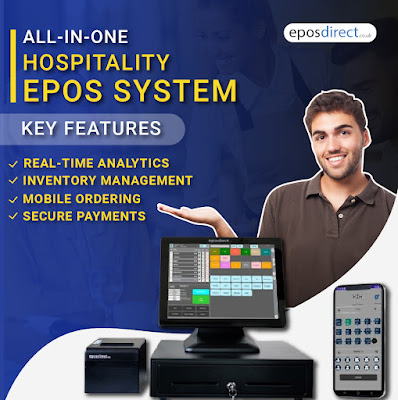
In the
realm of modern business operations, the integration of technology has become
imperative for streamlined processes, especially in the hospitality sector.
Among the many advancements, Electronic Point of Sale (EPOS) systems stand as a
linchpin in enhancing efficiency, accuracy, and customer experience. These
systems have revolutionized the way transactions are conducted and data is
managed within the hospitality industry.
The
evolution of EPOS systems has been a game-changer, particularly for small businesses
and cafes. Traditionally, cash registers were the cornerstone of transaction
management, but the limitations of these systems in handling complex tasks,
managing inventory, and providing insightful analytics became evident. This
paved the way for the inception of electronic point-of-sale solutions
tailored to the specific needs of the hospitality sector.
Retail
till systems, a
foundational component of EPOS, have undergone a significant metamorphosis.
From simple cash registers, they've evolved into sophisticated systems capable
of not only processing payments but also managing inventory, tracking sales,
and even integrating with customer relationship management (CRM) tools. The
contemporary retail EPOS system is
a multifunctional hub, serving as the nerve center of business operations for
small businesses, cafes, and larger enterprises alike.
For small
businesses, investing in an EPOS system marks a pivotal moment. These systems
are designed to be user-friendly, cost-effective, and scalable, catering to the
unique demands of small-scale operations. With intuitive interfaces and
simplified functionalities, these EPOS systems empower small business owners to
efficiently manage transactions, monitor inventory levels in real time, and
generate detailed reports for informed decision-making.
Cafes, a
vibrant segment of the hospitality industry, benefit immensely from EPOS
systems tailored to their specific needs. The fast-paced nature of cafes
demands swift and accurate transactions, coupled with seamless inventory
management to ensure consistent service. An EPOS system designed for cafes
facilitates order customization, supports different payment methods, and
integrates seamlessly with kitchen displays, expediting the entire process from
order to delivery.
The
integration of an EPOS system isn't merely about upgrading hardware; it's a
holistic transformation of the business workflow. These systems bring
automation to mundane tasks, enabling staff to focus more on customer
interaction and service quality. The ability to track inventory levels in
real-time aids in preventing stockouts and optimizing purchasing decisions,
ultimately reducing wastage and improving profitability.
Furthermore,
the analytical capabilities of modern EPOS systems offer invaluable insights.
Sales trends, peak hours, popular menu items, and customer preferences can be
analyzed to refine marketing strategies, tailor offerings, and optimize pricing
strategies. This data-driven approach empowers businesses to make informed
decisions that resonate with their customer base, fostering loyalty and
satisfaction.
Amid the
digital revolution, cloud-based EPOS solutions have emerged as a game-changer.
Offering accessibility from anywhere with an internet connection, these systems
break down geographical barriers. Small business owners and cafe managers can
monitor operations remotely, update menus, or track sales even when off-site.
Additionally, cloud-based systems offer enhanced security and automatic
updates, alleviating concerns about data breaches and ensuring the software is
always up-to-date.
The
benefits of epos systems for small businesses extend
beyond the operational realm; they significantly enhance the customer
experience. Swift transactions, accurate orders, and personalized service contribute
to customer satisfaction and loyalty. Moreover, the integration of loyalty
programs and customer databases within EPOS systems enables businesses to
reward patrons, track their preferences, and provide tailored offerings,
fostering lasting relationships.
However,
while the advantages are substantial, choosing the right EPOS system requires
careful consideration. Factors such as scalability, integration capabilities
with existing systems, ongoing support, and affordability should be thoroughly
evaluated. Each business has unique needs, and selecting an EPOS system that
aligns with these requirements is crucial for maximizing its potential
benefits.
In conclusion, the evolution of EPOS systems has transformed the landscape of hospitality businesses, especially for small ventures and cafes. These systems once limited to processing transactions, have evolved into comprehensive solutions that streamline operations, enhance data-driven decision-making, and elevate the overall customer experience. Investing in the right EPOS system isn't just an upgrade; it's a strategic move towards efficiency unleashed in the competitive realm of modern business.