Showing posts with label pos till. Show all posts

The Latest Electronic Point of Sale Innovations for Modern Businesses

In the dynamic landscape of modern businesses, staying ahead of the competition requires embracing cutting-edge technologies, and the realm of electronic point of sale (EPOS) systems has witnessed significant innovations in recent years. From traditional cash registers to sophisticated EPOS solutions, the journey has been transformative for businesses, particularly in the retail sector. This article explores the latest electronic point of sale innovations, with a focus on how they simplify operations for businesses, emphasizing the relevance of advanced systems like the POS till system in the UK.

The Latest Electronic Point of Sale Innovations for Modern Businesses

1. Evolving from Traditional Cash Registers to EPOS Systems:

The conventional cash register, once the backbone of retail transactions, has gradually given way to Electronic Point of Sale (EPOS) systems. These systems integrate hardware and software components to streamline various retail operations, offering a comprehensive solution that goes beyond basic transaction processing.

The transition from a basic till system to a sophisticated EPOS till system marks a paradigm shift in how businesses manage their day-to-day operations. Modern EPOS systems are equipped with advanced features such as inventory management, customer relationship management (CRM), and real-time analytics, providing businesses with a holistic approach to managing their operations.

2. Cloud-Based EPOS Solutions:

One of the latest innovations in electronic point-of-sale technology is the advent of cloud-based EPOS solutions. Unlike traditional systems that rely on on-premise servers, cloud-based EPOS systems leverage the power of the internet to store data securely in the cloud. This innovation offers businesses several advantages, including accessibility from anywhere with an internet connection, automatic updates, and improved scalability.

Cloud-based EPOS systems enable real-time synchronization across multiple devices and locations, providing business owners with a centralized view of their operations. This innovation is particularly beneficial for businesses with multiple outlets, allowing them to manage inventory, track sales, and implement changes seamlessly across all locations.

3. Contactless Payment Integration:

In response to the changing consumer preferences and the global shift towards digital payments, the integration of contactless payment options is a pivotal innovation in EPOS systems. Contactless payment methods, including NFC (Near Field Communication) and mobile wallets, offer customers a convenient and speedy checkout experience.

The adoption of contactless payment integration in EPOS till systems in the UK and around the world not only caters to evolving customer expectations but also enhances transaction security. As businesses embrace a cashless future, EPOS systems play a crucial role in facilitating smooth and secure electronic transactions.

4. AI and Machine Learning Capabilities:

The infusion of artificial intelligence (AI) and machine learning (ML) into EPOS systems brings a new dimension to data analysis and business insights. These technologies empower businesses to analyze customer behaviour, predict trends, and make data-driven decisions. EPOS systems with AI capabilities can recommend personalized offers to customers based on their purchase history, leading to enhanced customer engagement and loyalty.

Furthermore, machine learning algorithms embedded in EPOS systems can optimize inventory management by predicting demand patterns. This ensures that businesses maintain optimal stock levels, reducing the likelihood of overstocking or stockouts. The integration of AI and ML in EPOS solutions signifies a move towards more intelligent and efficient business operations.

5. Enhanced Mobility with Mobile POS (mPOS):

The advent of mobile point of sale (mPOS) solutions is transforming the retail landscape by providing businesses with increased flexibility and mobility. mPOS allows sales associates to process transactions directly on mobile devices, eliminating the need for a fixed checkout counter. This innovation is particularly beneficial for businesses with limited space or those operating in temporary locations, such as pop-up stores or events.

Mobile POS systems can also enhance the overall customer experience by reducing wait times during peak hours and enabling on-the-spot transactions. With the integration of barcode scanners and receipt printers, mPOS solutions offer a seamless and efficient alternative to traditional EPOS systems.

6. Data Security and Compliance:

As electronic transactions become more prevalent, ensuring the security of customer data is paramount. Modern EPOS systems incorporate robust security features to safeguard sensitive information, including end-to-end encryption, tokenization, and secure payment gateways.

Moreover, compliance with data protection regulations, such as GDPR in Europe, is a critical aspect of the latest EPOS innovations. Businesses utilizing EPOS till systems in the UK must adhere to stringent data protection standards and advanced point-of-sale system solutions are designed to facilitate compliance while maintaining the efficiency of daily operations.

7. Customer-Facing Displays and Self-Service Kiosks:

EPOS innovations extend beyond backend operations to enhance the customer experience at the forefront. Customer-facing displays on EPOS systems provide transparency during transactions, allowing customers to verify their purchases and prices. This not only fosters trust but also reduces errors and disputes.

Self-service kiosks represent another leap in EPOS technology, enabling customers to browse products, place orders, and make payments independently. This not only caters to the growing demand for self-service options but also optimizes staff resources, allowing them to focus on more complex tasks and customer interactions.

Conclusion:

In conclusion, the latest electronic point-of-sale innovations are revolutionizing how modern businesses, particularly in the retail sector, operate and interact with customers. From the evolution of traditional cash registers to sophisticated cloud-based EPOS systems, businesses are embracing technology to streamline operations, enhance customer experiences, and stay competitive in an ever-evolving market.

The integration of contactless payment options, AI and machine learning capabilities, mobile POS solutions, and heightened data security exemplify the forward-thinking nature of these innovations. As businesses continue to adapt to the changing landscape, investing in advanced EPOS systems, including the POS till system in the UK, becomes essential for those aiming to not only survive but thrive in the digital era of commerce.

Revolutionizing the Retail Industry: The Role of EPOS Systems

The retail industry has experienced significant transformations over the years, driven by technological advancements and changing consumer expectations. One such technological innovation that has revolutionized the way retailers operate is the Electronic Point of Sale (EPOS) system. EPOS systems have become an integral part of modern retail businesses, providing numerous benefits and transforming the way transactions are processed, inventory is managed, and customer relationships are nurtured. In this article, we will explore the role of Epos tills in revolutionizing the retail industry.

Revolutionizing the Retail Industry: The Role of EPOS Systems

1. Streamlining Sales Processes:

EPOS systems have greatly streamlined the sales processes in retail stores. With an electronic point of sale system, the traditional cash register is replaced by a computer-based system that allows for faster and more accurate transactions. Retailers can scan barcodes or use RFID technology to quickly register items, calculate prices, and process payments. This efficiency not only saves time but also reduces the chances of human error, leading to more accurate sales records.

2. Real-Time Inventory Management:

One of the key advantages of retail till systems is their ability to provide real-time inventory management. With traditional systems, retailers had to rely on manual stock checks, which were time-consuming and often prone to errors. EPOS systems, on the other hand, automatically update inventory levels as items are sold, allowing retailers to have an accurate view of their stock at any given moment. This real-time visibility enables businesses to optimize their inventory levels, reduce stockouts, and make informed purchasing decisions.

3. Enhanced Customer Relationship Management:

POS till systems in UK play a crucial role in nurturing customer relationships. These systems allow retailers to capture valuable customer data, such as purchase history, preferences, and contact information. With this data, retailers can personalize the shopping experience, offer targeted promotions, and build customer loyalty programs. EPOS systems also facilitate the integration of customer relationship management (CRM) software, enabling retailers to analyze customer behavior, identify trends, and make data-driven decisions to enhance customer satisfaction.

4. Integrated Analytics and Reporting:

Another significant advantage of EPOS systems is their ability to generate detailed analytics and reports. These systems capture a wealth of data on sales, inventory, and customer behavior, which can be analyzed to gain valuable insights. Retailers can identify top-selling products, peak sales periods, and customer buying patterns. This information helps retailers optimize their product offerings, pricing strategies, and marketing campaigns. Retail till system also generate comprehensive reports on sales performance, inventory turnover, and profit margins, allowing retailers to monitor their business's financial health.

5. Efficient Staff Management:

EPOS systems contribute to efficient staff management in retail stores. These electronic till systems can track individual employee sales performance, hours worked, and commission calculations. This data helps retailers evaluate staff productivity, reward high performers, and identify training needs. EPOS systems also facilitate the scheduling of shifts, enabling retailers to optimize staff allocation based on sales data, footfall patterns, and seasonal demands. By automating these processes, electronic till system frees up time for managers to focus on other important aspects of store operations.

6. Integration with E-Commerce:

As e-commerce continues to grow, the integration of till systems in UK with online platforms has become crucial for retailers. EPOS systems can be seamlessly connected with e-commerce websites, allowing retailers to manage inventory, process orders, and synchronize product information across multiple channels. This integration provides a unified view of stock levels, prevents overselling, and ensures consistent pricing and product availability across online and offline channels. By bridging the gap between physical and online retail, EPOS systems enable retailers to offer a seamless and convenient shopping experience to customers.

In conclusion, till systems for retail have revolutionized the retail industry by streamlining sales processes, providing real-time inventory management, enhancing customer relationship management, offering integrated analytics and reporting, enabling efficient staff management, and facilitating integration with e-commerce platforms. As technology continues to advance, we can expect POS till systems to evolve further, providing even more sophisticated features and capabilities. Retailers that embrace these systems and leverage their full potential are likely to gain a competitive edge in an increasingly dynamic and customer-centric retail landscape.

The Importance Of Epos System For A Restaurant.

An EPOS (Electronic Point of Sale) system is crucial for the smooth operation and success of a restaurant. It provides numerous benefits that enhance efficiency, accuracy, and customer satisfaction. Here are some key reasons why an EPOS system is important for a restaurant:

Streamlined Order Management: An EPOS system for restaurants allows staff to quick and accurately take orders. It streamlines the process by eliminating the need for handwritten notes or verbal communication between servers and kitchen staff. Orders are directly entered into the system, reducing errors and ensuring that all necessary details are captured.

Inventory Management: Helps in efficient inventory management by automatically tracking stock levels. As orders are placed, the system deducts the items used from the inventory, providing real-time data on ingredient quantities. This feature helps prevent overstocking or running out of crucial ingredients, optimizing supply chain management and reducing costs.

Menu and Pricing Control: With an electronic point-of-sale system, restaurants can easily manage menus and pricing. Changes to the menu, special offers, or pricing can be updated across all devices and terminals instantly. This ensures consistency in information and eliminates the need for manual price adjustments, reducing the chances of errors and discrepancies.

The Importance Of Epos System For A Restaurant


Enhanced Reporting and Analytics: EPOS     provide valuable insights through detailed reporting and analytics. Restaurant owners and managers can access comprehensive data on sales, revenue, inventory usage, and customer preferences. This information allows them to make informed business decisions, identify trends, and optimize operations for better profitability.

Efficient Payment Processing: Streamline the payment process by accepting various payment methods, such as cash, credit/debit cards, and mobile payments. They calculate the total bill accurately, apply for discounts or promotions automatically, and provide a seamless transaction experience for customers. This leads to faster service and improved customer satisfaction.

Integration with Other Systems: Easily integrate with other restaurant management systems, such as accounting software, customer relationship management (CRM) tools, and online ordering platforms. This integration facilitates a smooth data flow between different systems, eliminating the need for manual data entry and reducing the chances of errors.

Table Management and Reservations: Often include features for table management and reservations. They allow hosts or hostesses to efficiently manage seating arrangements, track table availability, and manage reservations effectively. This ensures optimal utilization of seating capacity and reduces wait times, enhancing the overall dining experience.

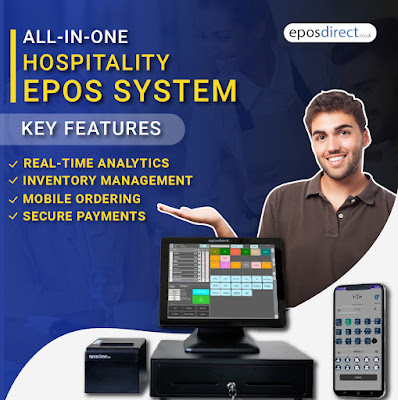
In summary, the POS till system plays a vital role in the restaurant industry by improving order management, inventory control, pricing accuracy, reporting and analytics, payment processing, integration with other systems, and table management. By leveraging these benefits, restaurants can streamline their operations, enhance customer satisfaction, and drive overall success. Check for the best epos system for sale offers and choose Epos Direct for the best epos system.

How Hospitality Epos Systems Can Help You Manage Hospitality Business?

Efficiency and a focus on customer experience are paramount in today’s fast-paced world. Whether you run a bustling restaurant, a charming b...