Showing posts with label epos system. Show all posts

How Hospitality Epos Systems Can Help You Manage Hospitality Business?

Efficiency and a focus on customer experience are paramount in today’s fast-paced world. Whether you run a bustling restaurant, a charming bed and breakfast, or a luxurious hotel, keeping your operations smooth and guests satisfied is key to success. It is where Hospitality EPOS (Electronic Point of Sale) systems come in.

Beyond the Cash Register: EPOS Systems for Hospitality

How Hospitality Epos Systems Can Help You Manage Hospitality Business?

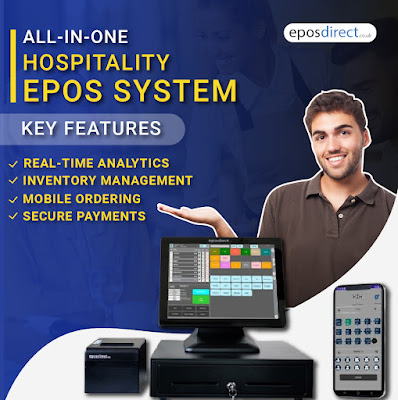
Hospitality EPOS systems
are more than just digital cash registers. They are powerful tools designed to manage all aspects of your business, from processing orders and payments to streamlining inventory and staff management. These comprehensive systems offer a suite of features that can revolutionize the way you run your hospitality establishment.

Key Features of Hospitality Till Systems

Point-of-Sale Functionality: The core function allows processing orders, accepting various payment methods (cash, credit cards, contactless), and generating receipts.

Inventory Management: Track stock levels in real-time, generate automatic purchase orders, and minimize waste with low-stock alerts.

Table Management: Efficiently seat guests, track orders by table, and enable easy bill splitting.

Kitchen Display System (Restaurants): Orders are sent directly to the kitchen for faster preparation and improved accuracy.

Customer Relationship Management (CRM): Build customer profiles, track loyalty points, and personalize guest experiences.

Reporting & Analytics: You can have valuable insights like sales trends, customer behaviour, and staff performance which can help you make a data-driven decision.

Benefits of Hospitality EPOS Systems

Here's a closer look at how implementing a hospitality EPOS system can benefit your business:

Improved Efficiency: EPOS systems streamline your operations and automate processes such like taking orders and processing them, and help in reducing wait times. Staff can focus in providing better customer service rather than manual tasks.

Enhanced Customer Experience: Faster service, accurate orders, and efficient payments contribute to a more positive customer experience. EPOS systems can also integrate with online ordering platforms, allowing for convenient takeout and delivery options.

Better Inventory Management: Real-time stock tracking helps prevent overstocking and under stocking. EPOS systems can generate automatic purchase orders, ensuring you have the necessary supplies to meet customer demand. This reduces waste and optimizes inventory costs.

Data-Driven Decision Making: EPOS systems for Hospitality provide comprehensive reports and analytics. You can gain insights into sales trends, popular menu items, staff performance, and customer behaviour. This valuable data allows you to make informed decisions regarding menu pricing, staffing schedules, marketing strategies, and overall business operations.

Improved Staff Training: User-friendly EPOS systems are easy for staff to learn, minimizing training time. This allows them to become more productive quickly and provide better customer service. 

Increased Revenue: Streamlined operations, efficient inventory management, and improved customer experiences can all lead to increased revenue for your hospitality business.

Additional Advantages of EPOS System for Restaurant

Integration with Other Systems: Many hospitality EPOS systems integrate seamlessly with accounting software, reservation systems, and online ordering platforms. This creates a centralized hub for managing your entire business, reducing data entry errors and improving overall efficiency.

Improved Scalability: EPOS systems are scalable, allowing you to add features and functionality as your business grows. This makes them a suitable option for businesses of all sizes, from small cafes to large hotel chains.

Enhanced Security: Hospitality EPOS systems offer robust security features to protect customer data and financial information. 

Choosing the Right Hospitality EPOS System

With a variety of hospitality EPOS systems available, choosing the right one for your business is crucial. Consider factors like your specific needs, budget, and the size and type of your establishment. Here are some additional tips for selecting a hospitality EPOS system:

Identify your needs: Make a list of the features that are most important to your business.

Do your research: Compare different EPOS systems and their features. Read reviews and ask for recommendations from other hospitality businesses.

Consider cloud-based vs. on-premise systems: Cloud-based systems offer greater flexibility and scalability, while on-premise systems provide more control over data security.

Request a demo: Most EPOS vendors offer free demos, allowing you to experience the system firsthand.

Investing in Your Success: Hospitality EPOS Systems

By implementing a hospitality EPOS system, you can streamline your operations, improve customer experience, make data-driven decisions, and ultimately increase your business's profitability. In today's competitive landscape, a hospitality EPOS system is not just a helpful tool, it's a valuable investment in the success of your business.

Why Every Retail Business Needs an Electronic Point-of-Sale System?

In today’s world consumer preferences evolve rapidly and competition intensifies by the day, staying ahead demands more than just quality products and competitive pricing. As technology continues to revolutionize the industry, one tool has emerged as indispensable for retailers of all sizes: the Electronic Point-of-Sale (EPOS) system. This article delves into the crucial role of EPOS systems and why they have become a cornerstone for modern retail businesses.

Understanding Electronic Point-of-Sale Systems

At its core, an Electronic Point-of-Sale system serves as the nerve centre of retail operations. Gone are the days of traditional cash registers; EPOS systems seamlessly integrate hardware and software to streamline transactions, manage inventory, track sales, and analyze data in real time. These systems have evolved from simple transaction processing tools to comprehensive business management solutions tailored to the unique needs of retail establishments.

Why Every Retail Business Needs an Electronic Point-of-Sale System?

Enhanced Efficiency with EPOS Tills

One of the primary advantages of EPOS systems lies in their ability to enhance operational efficiency. Traditional manual processes are prone to errors and inefficiencies, leading to discrepancies in inventory management and accounting. EPOS tills automate these processes, reducing the likelihood of human error and freeing up valuable time for staff to focus on delivering exceptional customer service.

Real-Time Inventory Management

Effective inventory management is critical for retail success, and EPOS systems excel in this aspect. By providing real-time visibility into stock levels, EPOS systems enable retailers to optimize inventory levels, reduce stockouts, and avoid overstocking. This not only improves customer satisfaction by ensuring products are available when needed but also minimizes wastage and enhances profitability.

Seamless Integration Across Channels

In today's omnichannel retail environment, consumers expect a seamless shopping experience across online and offline channels. EPOS integration facilitates this by synchronizing data across various touchpoints, including brick-and-mortar stores, e-commerce platforms, and mobile applications. This ensures consistency in pricing, promotions, and inventory information, fostering customer loyalty and driving sales.

Enhanced Customer Insights

Data is the lifeblood of modern retail, and EPOS systems provide retailers with invaluable insights into customer behaviour and preferences. By capturing transaction data and analyzing purchasing patterns, retailers can identify trends, segment their customer base, and personalize marketing efforts. This data-driven approach enables retailers to anticipate demand, tailor their product offerings, and enhance the overall shopping experience.

Streamlined Checkout Experience

Long queues and inefficient checkout processes can deter customers and result in lost sales. Point of Sale system streamlines the checkout experience by expediting transactions, supporting multiple payment methods, and integrating with loyalty programs and promotions. This not only reduces wait times but also enhances customer satisfaction, encouraging repeat business and positive word-of-mouth referrals.

Enhanced Security and Compliance

With the rise of cyber threats and stringent regulatory requirements, security is paramount for retailers handling sensitive customer data. EPOS systems incorporate robust security features such as encryption, user authentication, and audit trails to safeguard against data breaches and fraud. Moreover, these systems help retailers maintain compliance with industry regulations such as PCI DSS (Payment Card Industry Data Security Standard) and GDPR (General Data Protection Regulation).

Scalability and Adaptability

Whether a small boutique or a multinational chain, retailers require flexible solutions that can scale with their business. Electronic point of sale systems offer scalability and adaptability, allowing retailers to easily expand their operations, add new locations, and integrate additional functionalities as needed. This scalability ensures that retailers can future-proof their businesses and remain competitive in a rapidly evolving marketplace.

Conclusion

In an era defined by technological innovation and shifting consumer preferences, the adoption of Electronic Point-of-Sale systems has become imperative for retail businesses seeking to thrive in a highly competitive landscape. From streamlining operations and enhancing efficiency to driving customer engagement and facilitating growth, EPOS systems offer a multitude of benefits that empower retailers to succeed in the digital age. As the retail industry continues to evolve, investing in a robust EPOS solution is not just a choice but a strategic imperative for businesses looking to stay ahead of the curve.

In essence, electronic point-of-sale systems are the backbone of modern retail, empowering businesses to deliver exceptional customer experiences, drive operational efficiency, and unlock growth opportunities in an increasingly complex marketplace. With their ability to streamline transactions, manage inventory, and harness the power of data, Retail Epos systems have cemented their status as indispensable tools for retailers of all sizes.

How Epos Systems Can Streamline Your Hospitality Business

In today's fast-paced hospitality industry, efficiency is paramount. From bustling restaurants and lively bars to comfortable hotels and welcoming bed and breakfasts, every aspect of your business needs to run smoothly to keep guests happy and your bottom line healthy. This is where epos systems (electronic point of sale systems) come in.

These powerful tools are more than just cash registers; they're central hubs that can revolutionize the way you manage your hospitality business. Whether you run a small cafe or a large hotel chain, the Hospitality Epos system can streamline operations, boost customer satisfaction, and unlock valuable insights to fuel growth.

What is an EPOS System?

How Epos Systems Can Streamline Your Hospitality Business

An epos system goes beyond the traditional cash register by offering a suite of integrated features designed to manage all aspects of your business. 

They typically include:

·         Point of Sale Functionality: This core function allows you to process orders, accept payments (including cash, credit cards, and contactless options), and print receipts.

·         Inventory Management: Track stock levels in real-time, generate purchase orders automatically, and minimize waste with low-stock alerts.

·         Table Management (for Restaurants): Seat guests efficiently, track orders by table, and split bills easily.

·         Kitchen Display System (for Restaurants): Orders are sent directly to the kitchen for faster preparation and improved accuracy.

·         Customer Relationship Management (CRM): Build customer profiles, track loyalty points, and personalize guest experiences.

·         Reporting & Analytics: Gain valuable insights into sales trends, customer behaviour, and staff performance to make data-driven decisions.

Benefits of EPOS Systems for Hospitality Businesses

The advantages of implementing an epos system in your hospitality business are numerous and far-reaching. Here's a closer look at how epos systems can streamline your operations:

·         Improved Efficiency: EPOS systems automate tasks like order processing, inventory management, and bill splitting, freeing up your staff to focus on providing excellent customer service.

·         Faster Service: Orders are processed quickly and accurately, reducing wait times and keeping guests happy.

·         Reduced Errors: Manual calculations and data entry are minimized, leading to fewer errors and improved financial accuracy.

·         Enhanced Inventory Control: Track real-time stock levels, receive low-stock alerts and optimize order to minimize waste and ensure popular items are always available.

·         Better Staff Management: EPOS systems can track staff performance, and long working hours, and manage payroll more efficiently.

·         Data-Driven Decision Making: Generate detailed reports on sales trends, customer behaviour, and staff performance to identify areas for improvement and make informed business decisions.

·         Improved Customer Experience: Offer contactless payment options, split bills easily, and personalize the dining experience through loyalty programs.

·         Scalability for Growth: EPOS systems can adapt as your business grows, accommodating new locations, additional staff, and evolving needs.

Specific Applications for Different Hospitality Businesses

EPOS Systems for Restaurants: Streamline food and drink ordering, table management, kitchen operations, and staff scheduling. Integrate with online ordering platforms and loyalty programs to enhance customer convenience.

EPOS Systems for Hotels: Manage check-in/check-out processes, room reservations, housekeeping schedules, and guest billing. Offer self-service kiosks and mobile check-in/out options for a modern and efficient guest experience.

EPOS Systems for Bars & Pubs: Track alcohol sales, manage happy hour promotions, and offer contactless payment options to keep customers moving through the line quickly.

EPOS Systems for Small Businesses: EPOS systems offer a cost-effective solution for cafes, takeaways, and small hotels, streamlining operations and providing valuable insights into sales data at an affordable price point.

Choosing the Right EPOS System for Your Business

With a variety of epos systems available, it's crucial to choose the one that best fits your specific needs and budget. Here are some factors to consider:

·         Size and Type of Business: Consider your industry, number of locations, and staff size. Opt for a system with features tailored to your specific needs.

·         Scalability: Choose a system that can grow with your business, accommodating new locations or expanded services.

·         Ease of Use: The system should be user-friendly for both staff and potentially, your guests (if using self-service options).

·         Integration Capabilities: Ensure the system integrates with existing accounting software, online ordering platforms, and loyalty programs.

·         Cost: Compare pricing models, including upfront costs, monthly subscriptions, and transaction fees.

Epos systems can streamline operations and drive growth in your hospitality venture.

1. Efficient Order Management

One of the primary functions of an Epos system for restaurants and other hospitality businesses is order management. Traditional methods of taking orders manually or through phone calls are prone to errors and can lead to delays in service. With an Epos system in place, orders can be quickly and accurately entered into the system, reducing the risk of mistakes and ensuring prompt service to customers. Whether it's a dine-in order at a restaurant or a room service request at a hotel, Epos systems streamline the process, improving overall efficiency.

2. Enhanced Inventory Management

Managing inventory is a critical aspect of running any hospitality business. With fluctuating demand and perishable goods, staying on top of inventory levels can be challenging. Epos systems offer advanced inventory management features that enable businesses to track stock levels in real-time, set automatic alerts for low-stock items, and generate comprehensive reports on inventory usage. This ensures that businesses can maintain optimal stock levels, reduce wastage, and avoid stockouts, ultimately leading to cost savings and improved profitability.

3. Seamless Integration with Other Systems

Another key advantage of Epos systems is their ability to seamlessly integrate with other essential systems used in hospitality businesses, such as accounting software, reservation systems, and customer relationship management (CRM) platforms. This integration eliminates the need for manual data entry and allows for smooth communication between different departments, streamlining operations and improving overall productivity. For example, when a customer places an order at a restaurant, the Epos system can automatically update the inventory levels, send the order details to the kitchen, and record the transaction in the accounting system—all without any manual intervention.

4. Enhanced Customer Experience

Providing exceptional customer service is paramount to success in the Hospitality industry. Epos systems play a crucial role in enhancing the overall customer experience by enabling faster service, accurate order processing, and personalized interactions. For instance, Epos systems can store customer preferences and purchase history, allowing businesses to offer personalized recommendations and promotions based on individual preferences. Moreover, features such as mobile ordering and payment options streamline the ordering process, providing convenience to customers and improving satisfaction levels.

5. Data-driven Insights

Data is a valuable asset for any business, and Epos systems provide hospitality businesses with access to a wealth of actionable insights. By analyzing sales data, customer trends, and inventory turnover, businesses can identify growth opportunities, optimize pricing strategies, and make informed decisions to drive profitability. Additionally, Epos systems can generate detailed reports on various aspects of the business, such as sales performance, employee productivity, and customer feedback, enabling businesses to identify areas for improvement and implement targeted strategies for success.

6. Flexibility and Scalability

Whether you run a small bed and breakfast or a large chain of restaurants, Epos systems offer flexibility and scalability to meet your evolving needs. Modern Epos systems are highly customizable, allowing businesses to tailor the system to their specific requirements and preferences. Moreover, as your business grows, Epos systems can easily scale to accommodate increased demand and expanded operations, ensuring that you can continue to deliver efficient service and maintain customer satisfaction.

In conclusion, Epos systems have become indispensable tools for streamlining operations and driving growth in the hospitality industry. From efficient order management to enhanced customer experience and data-driven insights, Epos systems offer a wide range of benefits that can help businesses thrive in today's competitive market. Whether you're a restaurant owner, hotelier, or cafe proprietor, investing in an Epos system for small business is a smart decision that can yield significant returns in terms of efficiency, profitability, and customer satisfaction.

Unleashing the Power of All-in-One EPOS System to Boost Business Efficiency

In the ever-evolving landscape of business operations, leveraging cutting-edge technology is paramount for sustained growth and efficiency. One such technology that has revolutionized the way businesses operate is the All-in-One EPOS (Electronic Point of Sale) system. This comprehensive solution has become a cornerstone for various industries, particularly in the realms of hospitality and retail. In this article, we will explore the multifaceted benefits of adopting an All-in-One EPOS system and how it can significantly enhance business efficiency.

Understanding the All-in-One EPOS System

An All-in-One EPOS system is a centralized platform that integrates various business processes, such as sales, inventory management, and customer relationship management (CRM), into a single, cohesive unit. This system employs advanced software and hardware components to streamline day-to-day operations, providing businesses with real-time insights and analytics. The all-encompassing nature of this solution has made it an invaluable asset for both small and large enterprises.

Unleashing the Power of All-in-One EPOS System to Boost Business Efficiency

The Key Components of an All-in-One EPOS System

1. Point of Sale (POS) Terminal:

At the heart of the All-in-One EPOS system lies the POS terminal, a sophisticated device that facilitates transactions and automates the sales process. This terminal is equipped with a user-friendly interface, making it easy for staff to process orders, accept payments, and issue receipts seamlessly.

2. Inventory Management:

Effective inventory management is crucial for businesses in both the hospitality and retail sectors. An All-in-One EPOS system enables businesses to keep track of stock levels in real-time, automate reorder processes, and minimize the risk of stockouts. This feature is particularly beneficial for streamlining supply chain operations and ensuring that products are always available for customers.

3. Customer Relationship Management (CRM):

Building and maintaining strong relationships with customers is pivotal for business success. An EPOS system with integrated CRM capabilities allows businesses to collect and analyze customer data, personalize interactions, and implement targeted marketing strategies. This, in turn, enhances customer loyalty and promotes repeat business.

4. Reporting and Analytics:

The power of data cannot be overstated in today's business landscape. All-in-One EPOS systems provide robust reporting and analytics tools that offer valuable insights into sales trends, customer behavior, and overall business performance. This data-driven approach empowers businesses to make informed decisions, identify areas for improvement, and optimize their operations for maximum efficiency.

Benefits of All-in-One EPOS System for Hospitality

1. Streamlined Order Processing:

In the hospitality industry, where speed and accuracy are paramount, an All-in-One EPOS system streamlines order processing, reducing the time it takes to input and fulfill customer orders. This not only enhances customer satisfaction but also increases the efficiency of the entire service workflow.

2. Table Management and Reservations:

EPOS systems designed for the hospitality sector often include features for table management and reservations. This functionality allows restaurants and cafes to optimize seating arrangements, track reservations, and provide a seamless dining experience for customers.

3. Integrated Payment Processing:

With integrated payment processing capabilities, an All-in-One EPOS system simplifies transactions for both customers and staff. This not only reduces the likelihood of errors but also enhances the security of payment processes, safeguarding sensitive customer information.

4. Loyalty Programs and Promotions:

The ability to implement and manage loyalty programs and promotions is a key advantage of EPOS systems for hospitality. Businesses can reward loyal customers, track the effectiveness of promotional campaigns, and adjust strategies based on real-time data.

Benefits of All-in-One EPOS System for Retail

1. Efficient Checkout Process:

In the retail sector, where quick and efficient transactions are crucial, an All-in-One EPOS system expedites the checkout process. Barcode scanning, inventory lookup, and seamless payment integration contribute to a smooth and hassle-free experience for both customers and staff.

2. Inventory Accuracy and Control:

Retail businesses face constant challenges in managing inventory. An EPOS system for retail provides real-time visibility into stock levels, reducing the likelihood of overstock or stockouts. This leads to improved inventory accuracy and better control over supply chain operations.

3. Multi-Channel Sales Integration:

With the rise of e-commerce and omnichannel retailing, an All-in-One EPOS system seamlessly integrates various sales channels. This enables businesses to manage online and offline sales from a single platform, ensuring a cohesive and consistent shopping experience for customers across different touchpoints.

4. Data-Driven Merchandising:

Retailers can harness the power of data analytics provided by EPOS systems to optimize their merchandising strategies. By understanding customer preferences, purchasing patterns, and product performance, businesses can make informed decisions regarding product placement, pricing, and promotions.

Challenges and Considerations

While the benefits of adopting an All-in-One EPOS system are significant, businesses should also be aware of potential challenges and considerations.

1. Cost of Implementation:

The initial cost of implementing an All-in-One EPOS system, including hardware, software, and training, can be a significant investment for businesses. However, it's essential to view this as a long-term investment that will yield substantial returns in terms of efficiency and improved operations.

2. Integration with Existing Systems:

Businesses with existing systems may face challenges in integrating an All-in-One EPOS system seamlessly. Compatibility issues and data migration processes need to be carefully planned and executed to avoid disruptions in day-to-day operations.

3. Staff Training and Adoption:

The successful implementation of an EPOS system relies on the effective training and adoption by the staff. Businesses should allocate sufficient resources for training programs to ensure that employees are comfortable and proficient in using the new system.

4. Data Security and Compliance:

Given the sensitive nature of customer and transaction data, businesses must prioritize data security and compliance with regulations. Choosing a reputable EPOS provider with robust security measures is essential to safeguarding sensitive information.

EPOS Direct – Best Epos Solutions Provider in UK

EPOS Direct stands out as a leading Electronic Point of Sale (EPOS) solutions provider in the United Kingdom, offering comprehensive and cutting-edge services to businesses across various industries. With a commitment to innovation and customer satisfaction, EPOS Direct has earned a reputation for delivering top-notch EPOS systems tailored to meet the unique needs of its clients.

The company's strength lies in its advanced technology, providing businesses with efficient and user-friendly EPOS solutions that streamline operations and enhance overall productivity. EPOS Direct's systems are designed to handle various aspects of retail and hospitality management, including inventory control, sales tracking, and customer relationship management.

What sets EPOS Direct apart is its dedication to staying ahead of industry trends, ensuring that clients benefit from the latest technological advancements. The company's customer-centric approach involves thorough consultations to understand specific business requirements, resulting in bespoke EPOS solutions that maximize efficiency and drive profitability.

Furthermore, EPOS Direct prioritizes ongoing support and training, empowering clients to make the most of their EPOS systems. This commitment to excellence has positioned EPOS Direct as a trusted partner for businesses seeking reliable and state-of-the-art EPOS solutions in the dynamic landscape of the UK retail and hospitality sectors.

Conclusion

In conclusion, adopting an All-in-One EPOS system can be a game-changer for businesses in the hospitality and retail sectors. The comprehensive features, including streamlined order processing, inventory management, CRM, and analytics, contribute to enhanced efficiency and improved customer experiences. While there are challenges to consider, the long-term benefits far outweigh the initial investments.

Businesses that leverage the power of an All-in-One EPOS system position themselves at the forefront of technological innovation, gaining a competitive edge in today's dynamic market. Whether in the bustling environment of a restaurant or the fast-paced world of retail, the integration of an EPOS system proves to be a strategic move toward achieving operational excellence and driving sustained growth.

How EPOS Retail Systems Are Transforming the Shopping Experience

The retail landscape is undergoing a profound transformation, driven in no small part by the integration of cutting-edge technology into traditional brick-and-mortar stores. One of the key innovations reshaping the shopping experience is the Electronic Point of Sale (EPOS) system. EPOS retail systems are revolutionizing the way retailers operate and enhancing the experience for both customers and businesses. In this article, we will explore how EPOS retail systems are changing the retail game and making shopping more convenient, efficient, and enjoyable.

How EPOS Retail Systems Are Transforming The Shopping Experience

  1. Enhanced Customer Experience

EPOS systems are designed to streamline the shopping process, making it faster and more convenient for customers. Traditional cash registers are being replaced by sleek, user-friendly touchscreen devices that allow for quicker checkouts. This, in turn, reduces wait times and enhances the overall shopping experience.

Moreover, EPOS systems often include integrated customer relationship management (CRM) features. These features help retailers track customer preferences, purchase history, and other data. With this information at their fingertips, store employees can provide more personalized assistance, recommend relevant products, and even send tailored promotions to customers. All of these contribute to a more satisfying and memorable shopping experience.

Additionally, EPOS systems can facilitate loyalty programs and gift card management, further enhancing customer engagement. Loyalty points, discounts, and promotions can be seamlessly integrated into the checkout process, encouraging repeat business and fostering a sense of belonging among customers.

  1. Efficient Inventory Management

EPOS retail systems provide retailers with real-time inventory tracking capabilities. It means that businesses can keep a close eye on their stock levels, reducing the likelihood of running out of popular items or overstocking products that aren't selling. Efficient inventory management not only saves money but also ensures that customers can find the products they want when they visit the store. No one enjoys encountering empty shelves or long waits for restocked items.

Additionally, EPOS systems can generate detailed reports and analytics about product sales. Retailers can use this data to identify trends, plan inventory, and optimize their product offerings. By knowing what sells and what doesn't, they can make informed decisions to better meet customer demands and preferences.

  1. Seamless Omnichannel Integration

Omnichannel retailing is an increasingly important trend in the industry. EPOS systems for retail are instrumental in creating a seamless shopping experience across various channels, such as physical stores, e-commerce websites, and mobile apps. Customers can start their shopping journey online, add items to their cart, and then seamlessly transition to a physical store where they can complete the purchase or return items without any hiccups.

EPOS systems synchronize inventory and sales data across all channels, ensuring that customers can access accurate information about product availability and pricing. This omnichannel approach enhances convenience and flexibility for shoppers, as they can choose the channel that suits them best at any given time.

  1. Improved Employee Efficiency

EPOS retail systems empower employees to work more efficiently. These systems are intuitive and require minimal training, allowing staff to process transactions quickly and accurately. Moreover, EPOS systems can automate many routine tasks, such as calculating sales tax, generating receipts, and updating inventory levels. This automation reduces the risk of human error and allows employees to focus on providing better customer service.

Furthermore, with the help of EPOS systems, retailers can gain insights into employee performance. This data can be used to identify top-performing employees and areas where additional training or support may be needed. Incentive programs can also be more easily implemented to reward employees for their efforts and contributions to the business.

  1. Secure Payment Processing

EPOS systems are equipped with advanced retail epos software security features, such as encryption and tokenization, to protect customer payment data. This is crucial in an era where data breaches and cyberattacks are prevalent. Customers need to have confidence that their financial information is safe when making purchases in-store.

By using EPOS systems, retailers can adhere to the highest standards of payment security, such as Payment Card Industry Data Security Standard (PCI DSS) compliance. This not only builds trust with customers but also reduces the risk of costly data breaches and legal consequences.

  1. Sustainability and Paperless Transactions

EPOS retail systems contribute to environmental sustainability by reducing paper usage. Traditional receipts are often printed on thermal paper, which is not environmentally friendly. EPOS systems allow for the option of digital receipts sent via email or SMS, eliminating the need for physical paper receipts. This small change can add up to significant reductions in paper waste, benefiting the environment.

Additionally, by integrating loyalty programs and gift cards into EPOS systems, the need for physical plastic cards is reduced. Customers can simply use their phone numbers or email addresses to access their accounts and rewards, further decreasing the environmental impact of retail transactions.

  1. Data-Driven Decision Making

Till system for retail generates a wealth of data that retailers can leverage to make informed decisions. From sales trends to inventory turnover rates, this data provides insights into the performance of a business. Retailers can use these analytics to adapt to market changes, optimize product offerings, and tailor their strategies to meet customer demands.

For example, if the data shows that a particular product is selling exceptionally well during certain seasons, a retailer can plan to stock up on it ahead of time. Likewise, if sales data indicates that certain products are consistently underperforming, retailers can adjust pricing or discontinue those items to save costs.

  1. Integration with Third-Party Services

EPOS systems are designed to be highly adaptable and can integrate with various third-party services. This can include integration with accounting software, email marketing platforms, and e-commerce platforms. Such integrations enable retailers to streamline their operations and provide a more comprehensive shopping experience to customers.

For example, integrating with an email marketing platform allows retailers to automate the sending of promotional emails to customers based on their purchase history. This personalized approach can boost customer retention and increase sales.

  1. Regulatory Compliance

EPOS system for retail can assist retailers in adhering to regulatory requirements and reporting standards. This is especially important in industries where strict regulations apply, such as the food and beverage sector, where traceability of ingredients is crucial. EPOS systems can help with tracking and reporting the sale of regulated items, managing age-restricted products, and providing accurate tax reporting.

By ensuring compliance with relevant regulations, retailers can avoid fines and legal issues, fostering a more secure and trustworthy shopping experience for their customers.

  1. Remote Management and Accessibility

Modern EPOS systems often include cloud-based features that allow retailers to manage their stores remotely. It means that business owners and managers can access sales data, monitor inventory, and make real-time updates from anywhere with an internet connection. This accessibility is particularly useful for multi-location businesses, as it enables them to maintain consistency and control over operations across various outlets.

Conclusion

EPOS retail systems are at the forefront of the retail industry's digital transformation. They are not only streamlining operations but also enhancing the overall shopping experience for customers. From faster checkouts and personalized service to efficient inventory management and omnichannel integration, EPOS systems are revolutionizing the retail landscape. In an age where convenience and efficiency are highly valued by consumers, POS systems UK are empowering retailers to meet these expectations, all while fostering sustainability, data-driven decision-making, and regulatory compliance. As technology continues to evolve, we can expect EPOS retail systems to play an even more significant role in shaping the future of retail.

Source by: https://www.eposdirect.co.uk/blog/how-epos-retail-systems-are-transforming-the-shopping-experience

How Hospitality Epos Systems Can Help You Manage Hospitality Business?

Efficiency and a focus on customer experience are paramount in today’s fast-paced world. Whether you run a bustling restaurant, a charming b...