Showing posts with label shop till system. Show all posts

Revolutionize Your Retail Business with the Latest EPOS Retail System Trends

In today's dynamic retail landscape, the evolution of technology has become synonymous with progress. Among the most pivotal innovations in the retail sphere is the Electronic Point of Sale (EPOS) system. The traditional cash register has undergone a metamorphosis, transforming into an all-encompassing, sophisticated system that transcends mere transaction handling. Embracing the latest trends in EPOS retail systems is no longer an option—it's a necessity for thriving in a competitive market.

The Evolution of Till Systems: From Cash Registers to EPOS

Gone are the days of manual cash registers and handwritten receipts. The advent of electronic tills marked a significant shift in the retail industry. This shop till systems automated transactions tracked sales, and maintained rudimentary inventory records. However, their capabilities were limited, and the need for more comprehensive solutions emerged.

Enter EPOS systems for retail—the game-changers in modern commerce. These systems encompass a suite of functionalities that go beyond basic transaction processing. They integrate inventory management, customer relationship management (CRM), sales analytics, and more into a single, streamlined interface. The latest iterations of EPOS systems have brought forth a wave of transformative trends reshaping the retail landscape.

Key Trends in EPOS Retail Systems

1. Cloud-Based EPOS Systems

The shift towards cloud-based EPOS systems has been monumental. Unlike traditional on-premise solutions, cloud-based systems offer unparalleled flexibility, scalability, and accessibility. They empower retailers to manage multiple stores, access real-time data remotely, and swiftly implement updates or changes across their networks.

2. Integration with Omni channel Retailing

Omni channel retailing is no longer a buzzword—it's a fundamental strategy for success. Electronic till systems have evolved to seamlessly integrate online and offline sales channels, providing a unified shopping experience. This integration enables retailers to offer click-and-collect services, facilitate returns across various channels, and provide customers with a consistent journey regardless of where they interact with the brand.

3. Enhanced Mobility and Flexibility

Modern EPOS systems have broken free from the confines of traditional checkout counters. Mobility is the name of the game, with portable devices empowering staff to assist customers anywhere in the store. Tablets and smartphones equipped with EPOS capabilities enable quick checkouts, inventory checks, and personalized customer interactions on the go.

4. Data-Driven Insights and Analytics

The wealth of data generated by EPOS systems is a goldmine for retailers. Advanced analytics tools embedded within these systems provide invaluable insights into customer behaviour, popular products, sales trends, and more. Retailers can leverage this data to make informed decisions, optimize inventory levels, devise targeted marketing campaigns, and enhance overall business strategies.

5. AI and Machine Learning Integration

The incorporation of artificial intelligence (AI) and machine learning algorithms has elevated EPOS systems to a new level. These technologies power predictive analytics, personalized recommendations, and dynamic pricing strategies. AI-driven till systems adapt to changing market dynamics in real-time, optimizing pricing and promotions for maximum profitability.

The Impact on Retail Businesses

The adoption of these latest trends in EPOS retail systems has far-reaching implications for businesses:

1. Operational Efficiency and Cost Savings

Streamlined processes and automation significantly enhance operational efficiency. Once time-consuming tasks, such as inventory management or reconciling sales data, are now executed seamlessly, reducing labour costs and human errors.

2. Improved Customer Experience

The integration of omni channel capabilities and mobility empowers retailers to offer a personalized and convenient shopping experience. Faster checkouts, access to product information, and tailored recommendations contribute to heightened customer satisfaction and loyalty.

3. Informed Decision-Making

Data-driven insights derived from EPOS systems enable retailers to make informed decisions. They can identify high-performing products, understand consumer preferences, and adapt strategies accordingly, leading to better stock management and marketing initiatives.

4. Future-Proofing Businesses

Staying abreast of the latest EPOS system for Retail trends ensures that retailers remain competitive and adaptable in a rapidly evolving market. Embracing technological advancements positions businesses to navigate future challenges and capitalize on emerging opportunities.

Overcoming Challenges and Embracing the Future

Despite the numerous benefits, the adoption of new EPOS retail systems comes with its challenges. The initial cost of implementation, staff training, and data security concerns are among the hurdles businesses may face. However, these challenges pale in comparison to the long-term advantages these systems offer.

In conclusion, the evolution of till systems into sophisticated EPOS retail system has reshaped the retail landscape. Embracing the latest trends in EPOS technology is no longer a choice—it's a strategic imperative for businesses aiming to thrive in a competitive market. From cloud-based solutions to AI-driven insights, the opportunities these systems present are vast. By harnessing the power of these innovations, retailers can revolutionize their operations, enhance customer experiences, and secure a prosperous future in the ever-evolving retail industry.

Empowering Retail Businesses with EPOS Systems

In today's competitive retail landscape, businesses are constantly seeking ways to streamline their operations, enhance customer experiences, and maximize profitability. One technology that has proven to be a game-changer for retailers is the Electronic Point of Sale (EPOS) system. EPOS systems combine hardware and software to offer a comprehensive solution that empowers retail businesses across various aspects of their operations. From efficient sales processing to inventory management, customer relationship management, and data analysis, the retail till system provides a range of benefits that can transform the way retailers operate and thrive in the modern market.

Sales Processing and Checkout Efficiency:

One of the primary advantages of POS systems is their ability to streamline sales processing and enhance checkout efficiency. Traditional cash registers or manual systems are prone to human error and can result in slow transactions. POS systems automate these processes, reducing the likelihood of errors and speeding up checkout times. With features like barcode scanning, integrated payment processing, and automated receipt printing, POS systems enable retailers to process transactions quickly and accurately, enhancing customer satisfaction and reducing wait times.

Inventory Management and Stock Control:

Efficient inventory management is crucial for any retail business. Till systems for retail provide retailers with real-time visibility into their inventory, allowing them to effectively track stock levels, monitor sales patterns, and make data-driven decisions about reordering. Automatic stock alerts can be set up to notify retailers when items are running low or need to be restocked, preventing stockouts and ensuring that popular items are always available. With accurate stock information at their fingertips, retailers can optimize their inventory, minimize waste, and improve cash flow by reducing excess stock.

Customer Relationship Management:

Building and maintaining strong customer relationships is essential for the success of any retail business. POS systems offer CRM functionalities that enable retailers to gather and store customer information, including purchase history, preferences, and contact details. This data can be leveraged to personalize customer interactions, create targeted marketing campaigns, and provide better customer service. POS systems also facilitate loyalty programs, allowing retailers to reward their frequent customers and encourage repeat business. By understanding customer behaviors and preferences through the CRM features of POS systems, retailers can tailor their offerings to meet customer needs and foster long-term loyalty.

Data Analysis & Reporting:

POS systems generate comprehensive data reports that provide valuable insights into the performance of retail businesses. These reports can include information on sales trends, popular products, peak business hours, and employee performance, among other metrics. By analyzing this data, retailers can make informed decisions regarding pricing strategies, marketing initiatives, and operational improvements. POS systems also enable retailers to identify their most profitable products, understand customer buying patterns, and forecast demand more accurately. Armed with these insights, retailers can optimize their business strategies, improve overall performance, and stay ahead of the competition.

Empowering Retail Businesses with EPOS Systems

Point of Sale (POS) systems have revolutionized the way retail businesses operate, providing numerous benefits that enhance efficiency, customer service, and overall profitability. Here are some key advantages that retail businesses can enjoy by implementing POS systems:

1. Streamlined Operations: POS till system UK automate various tasks such as inventory management, sales tracking, and order processing. By centralizing these functions, businesses can significantly reduce the time and effort required for manual record-keeping, data entry, and reconciliation. This streamlining of operations enables staff to focus on more productive and customer-oriented activities.

2. Inventory Management: Accurate inventory management is crucial for retail businesses to avoid stockouts and overstocking. POS systems allow real-time tracking of inventory levels, automating reordering processes and providing valuable insights into stock movement. With better inventory control, businesses can optimize their stock levels, reduce carrying costs, and ensure that popular items are always available to customers.

3. Enhanced Sales Analysis: POS systems capture and analyze sales data, providing valuable insights into customer buying patterns, product performance, and sales trends. This information allows businesses to make data-driven decisions regarding pricing, promotions, and product assortment. With comprehensive sales analysis, retailers can identify their best-selling products, create targeted marketing campaigns, and improve overall sales performance.

4. Improved Customer Experience: POS systems enable faster and more accurate transactions, leading to shorter checkout times and reduced queues. They also provide staff with access to customer information, including purchase history and preferences, allowing for personalized and efficient service. Additionally, integrated loyalty programs and customer relationship management (CRM) features within POS systems help businesses build stronger customer relationships and foster repeat business.

5. Employee Management: POS systems facilitate effective employee management by tracking sales performance, monitoring productivity, and managing work schedules. These systems can generate reports on individual employee performance, helping managers identify top performers, provide training where needed, and incentivize staff based on their sales achievements. Streamlining employee management processes ultimately contributes to a more motivated and efficient workforce.

6. Accurate Financial Reporting: Traditional manual record-keeping methods are prone to human errors, which can lead to financial discrepancies and potential losses. Electronic till system automates financial processes, ensuring accurate and consistent recording of sales, refunds, taxes, and discounts. By generating comprehensive financial reports, businesses can easily monitor cash flow, track expenses, and simplify tax filing.

7. Integration with E-commerce: Many modern POS systems offer seamless integration with e-commerce platforms, enabling retailers to synchronize their in-store and online operations. This integration allows businesses to maintain consistent inventory levels across multiple sales channels, centralize customer data, and offer a unified shopping experience. By embracing omnichannel retailing, retailers can expand their reach, attract more customers, and boost overall revenue.

8. Scalability and Adaptability: POS systems can adapt to the changing needs of a retail business, making them suitable for businesses of all sizes and types. Whether it's a single-store operation or a large retail chain, POS systems can scale and accommodate additional functionalities as the business grows. This flexibility allows retailers to invest in a solution that aligns with their current requirements while ensuring the system can evolve alongside future needs.

Conclusion:

Shop till system that has revolutionized the retail industry, empowering businesses with advanced functionalities and tools to enhance operations, improve customer experiences, and boost profitability. From efficient sales processing and inventory management to customer relationship management and data analysis, by embracing POS technology, retailers can gain a competitive edge in today's dynamic retail landscape and position themselves for long-term success.

How To Scale Your Business – Did You Choose The Right Epos System?

As your business grows, so do your requirements. You may need an electronic till system that can grow along with you. It is hard to find epos with the ability to scale business. Epos Direct offers scalability and more to scale your business.

What Does 'Scale Your Business' Mean?

Whether you refer to it as 'scale the business' or 'scaling your growth,' they both refer to managing increasing sales and workload without creating more overhead. An independent business might find that they out of nowhere have a new flux of customers. For some, this sudden interest could mean adding up equipment and workforce, which keeps the profit margin the same. Other people are the ones who can scale their business and can use existing staff and expenditures to manage the new sales. It allows the increase of profits you have always desired.

ChooseThe Right POS Till System UK - How Can Epos Direct Help?

Epos Direct works with businesses of all sizes with ease. You do not need to change your epos touch screen till system provider because you have grown. You can track sales and stock with Epos Direct as it has scalability built-in.

Is Scaling Just About Size?

When you consider scaling your business, you are most likely thinking about business development. While keeping up with the growing number of customers and stock is important that is not all you want to consider. You will have to keep your pace firmly set up. Imagine a retail store that becomes known for its quick service. Out of nowhere, that retail store turns into the busiest place in town. If the service slows down, so will customer growth. Businesses need an epos system that is quick and ready to keep up with sales solutions as it did previously.

Upgrade EPOS Systems When Needed

You might think of investing in an epos system that grows with you instead of buying a small, no-frills POS system until you need it. The fact is that when you experience unexpected growth, you do not have time to install, learn and retrain every one of your staff members on a new epos system. Moreover, there is a rise in epos popularity in the retail industry and affordable shop till system providers like Epos Direct are worth, as the time and money they will save for you.

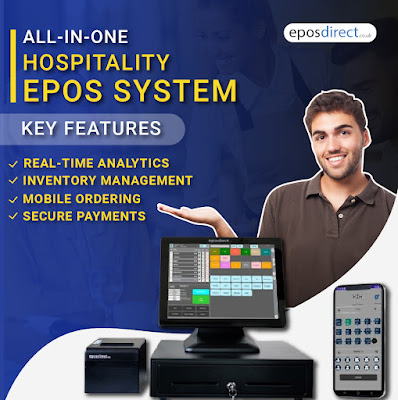
How Hospitality Epos Systems Can Help You Manage Hospitality Business?

Efficiency and a focus on customer experience are paramount in today’s fast-paced world. Whether you run a bustling restaurant, a charming b...