Showing posts with label electronic till. Show all posts

How Electronic Point-of-Sale Systems Drive Efficiency and Growth

In today's competitive business landscape, streamlining operations and gaining a data-driven edge are crucial for success. This is where electronic point-of-sale (EPOS) systems come in. Replacing traditional cash registers, EPOS systems, also known as electronic till or epos tills, offer a powerful suite of features that can significantly improve efficiency and pave the way for growth, especially for small businesses.

Enhanced Transaction Speed and Reduced Errors:

Gone are the days of manually entering product codes and calculating change. EPOS systems, often equipped with epos touch screens, allow for quick and accurate product scanning through barcodes. This translates to faster checkout times, reduced queues, and improved customer satisfaction. Additionally, the integration of electronic payment processing eliminates manual cash handling, minimizing errors and streamlining the overall transaction process.

How Electronic Point-of-Sale Systems Drive Efficiency and Growth


Boosting Inventory Management:

EPOS systems provide real-time inventory tracking, enabling businesses to maintain optimal stock levels. They automatically update inventory with each sale, providing insights into popular items and allowing for timely reordering. This eliminates the risk of stockouts, lost sales, and overstocking, which can lead to dead stock and wasted resources. Real-time data also empowers businesses to identify trends and adjust product offerings to better meet customer needs.

Data-Driven Decision Making:

EPOS systems generate comprehensive sales reports that provide valuable business intelligence. These reports detail daily, weekly, monthly, or even hourly sales figures, identify top-selling products, and highlight customer buying patterns. With this wealth of data at their fingertips, businesses can make informed decisions about pricing strategies, promotions, marketing campaigns, and resource allocation. 

Improved Customer Experience:

EPOS systems can enhance the customer experience in several ways. The  Touch screen till system provides a more user-friendly interface for sales associates, allowing them to access product information and complete transactions quickly. Additionally, EPOS systems can be integrated with customer loyalty programs, enabling businesses to reward repeat customers and foster long-term relationships.

Benefits for Small Businesses:

EPOS systems are not just for large corporations. They offer a multitude of benefits specifically tailored to the needs of small businesses:

Affordability: EPOS systems come in a variety of plans and price points, making them accessible for businesses of all sizes. Cloud-based solutions eliminate the need for expensive upfront hardware investments, further reducing the financial barrier for small businesses.

Scalability: EPOS systems can grow with your business. Many solutions offer modular features, allowing businesses to add functionalities as their needs evolve.

Ease of Use: EPOS systems are designed to be user-friendly, even for businesses with limited technical expertise. Most systems come with intuitive interfaces and minimal training requirements.

Improved Staff Management: EPOS systems can track employee hours, monitor individual sales performance, and simplify payroll processes.

Choosing the Right EPOS System for Your Business:

With a wide range of EPOS systems available, selecting the right one for your business requires careful consideration. Here are some factors to keep in mind:

Business Size and Needs: Consider the size and complexity of your business operations. Do you need a basic system for simple transactions, or do you require a more comprehensive solution with advanced features like inventory management or customer relationship management (CRM) integration?

Budget: 

Determine your budget and compare pricing plans from different vendors. Cloud-based solutions often offer subscription models, while traditional systems might require a one-time hardware purchase.

Scalability: Ensure the epos system for small businesses can accommodate your future growth plans.

Ease of Use: Choose a system with an intuitive interface that your staff can learn and use easily.

Integration Capabilities:  Consider whether the system integrates with your existing accounting software, e-commerce platform, or other business applications.

Conclusion:

Electronic point-of-sale systems are a powerful tool that can significantly improve efficiency, boost sales, and drive growth for businesses of all sizes. By streamlining transactions, optimizing inventory management, and providing valuable data insights, EPOS systems empower businesses to make informed decisions and gain a competitive edge. For small businesses in particular, EPOS systems offer a cost-effective and scalable solution to elevate their operations and pave the way for long-term success. So, consider investing in an electronic point of sale system, or epos touch screen system, and watch your business thrive in the digital age.

Revolutionize Your Retail Business with the Latest EPOS Retail System Trends

In today's dynamic retail landscape, the evolution of technology has become synonymous with progress. Among the most pivotal innovations in the retail sphere is the Electronic Point of Sale (EPOS) system. The traditional cash register has undergone a metamorphosis, transforming into an all-encompassing, sophisticated system that transcends mere transaction handling. Embracing the latest trends in EPOS retail systems is no longer an option—it's a necessity for thriving in a competitive market.

The Evolution of Till Systems: From Cash Registers to EPOS

Gone are the days of manual cash registers and handwritten receipts. The advent of electronic tills marked a significant shift in the retail industry. This shop till systems automated transactions tracked sales, and maintained rudimentary inventory records. However, their capabilities were limited, and the need for more comprehensive solutions emerged.

Enter EPOS systems for retail—the game-changers in modern commerce. These systems encompass a suite of functionalities that go beyond basic transaction processing. They integrate inventory management, customer relationship management (CRM), sales analytics, and more into a single, streamlined interface. The latest iterations of EPOS systems have brought forth a wave of transformative trends reshaping the retail landscape.

Key Trends in EPOS Retail Systems

1. Cloud-Based EPOS Systems

The shift towards cloud-based EPOS systems has been monumental. Unlike traditional on-premise solutions, cloud-based systems offer unparalleled flexibility, scalability, and accessibility. They empower retailers to manage multiple stores, access real-time data remotely, and swiftly implement updates or changes across their networks.

2. Integration with Omni channel Retailing

Omni channel retailing is no longer a buzzword—it's a fundamental strategy for success. Electronic till systems have evolved to seamlessly integrate online and offline sales channels, providing a unified shopping experience. This integration enables retailers to offer click-and-collect services, facilitate returns across various channels, and provide customers with a consistent journey regardless of where they interact with the brand.

3. Enhanced Mobility and Flexibility

Modern EPOS systems have broken free from the confines of traditional checkout counters. Mobility is the name of the game, with portable devices empowering staff to assist customers anywhere in the store. Tablets and smartphones equipped with EPOS capabilities enable quick checkouts, inventory checks, and personalized customer interactions on the go.

4. Data-Driven Insights and Analytics

The wealth of data generated by EPOS systems is a goldmine for retailers. Advanced analytics tools embedded within these systems provide invaluable insights into customer behaviour, popular products, sales trends, and more. Retailers can leverage this data to make informed decisions, optimize inventory levels, devise targeted marketing campaigns, and enhance overall business strategies.

5. AI and Machine Learning Integration

The incorporation of artificial intelligence (AI) and machine learning algorithms has elevated EPOS systems to a new level. These technologies power predictive analytics, personalized recommendations, and dynamic pricing strategies. AI-driven till systems adapt to changing market dynamics in real-time, optimizing pricing and promotions for maximum profitability.

The Impact on Retail Businesses

The adoption of these latest trends in EPOS retail systems has far-reaching implications for businesses:

1. Operational Efficiency and Cost Savings

Streamlined processes and automation significantly enhance operational efficiency. Once time-consuming tasks, such as inventory management or reconciling sales data, are now executed seamlessly, reducing labour costs and human errors.

2. Improved Customer Experience

The integration of omni channel capabilities and mobility empowers retailers to offer a personalized and convenient shopping experience. Faster checkouts, access to product information, and tailored recommendations contribute to heightened customer satisfaction and loyalty.

3. Informed Decision-Making

Data-driven insights derived from EPOS systems enable retailers to make informed decisions. They can identify high-performing products, understand consumer preferences, and adapt strategies accordingly, leading to better stock management and marketing initiatives.

4. Future-Proofing Businesses

Staying abreast of the latest EPOS system for Retail trends ensures that retailers remain competitive and adaptable in a rapidly evolving market. Embracing technological advancements positions businesses to navigate future challenges and capitalize on emerging opportunities.

Overcoming Challenges and Embracing the Future

Despite the numerous benefits, the adoption of new EPOS retail systems comes with its challenges. The initial cost of implementation, staff training, and data security concerns are among the hurdles businesses may face. However, these challenges pale in comparison to the long-term advantages these systems offer.

In conclusion, the evolution of till systems into sophisticated EPOS retail system has reshaped the retail landscape. Embracing the latest trends in EPOS technology is no longer a choice—it's a strategic imperative for businesses aiming to thrive in a competitive market. From cloud-based solutions to AI-driven insights, the opportunities these systems present are vast. By harnessing the power of these innovations, retailers can revolutionize their operations, enhance customer experiences, and secure a prosperous future in the ever-evolving retail industry.

Streamlining Operations with Epos Systems for Hospitality

In the fast-paced and competitive world of the hospitality industry, efficient till systems are the key to success. Whether you run a restaurant, hotel, or any other establishment in the sector, streamlining your operations can greatly impact your bottom line. One powerful tool for achieving this goal is an Electronic Point of Sale (EPOS) system. EPOS systems have revolutionized the way hospitality businesses operate, enhancing efficiency, customer service, and overall profitability. In this article, we will explore how EPOS systems can streamline operations in the hospitality industry and discuss the various benefits they offer.

Benefits of EPOS Systems for Hospitality

1. Efficient Order Processing: One of the primary functions of EPOS systems in the hospitality industry is efficient order processing. When customers place their orders, whether it's in a restaurant, bar, or hotel, the orders are immediately sent to the kitchen or relevant department, reducing the time it takes for the order to be prepared and served. This results in faster service and a more satisfied customer.

2. Inventory Management: Managing inventory can be a significant challenge in the hospitality sector. With a vast array of products and perishable goods, keeping track of what's in stock is essential. EPOS systems automate this process by recording every item sold and updating inventory levels in real time. This helps businesses reduce waste, prevent over-ordering, and ensure that popular items are always in stock.

3. Streamlined Payment Processing: EPOS systems facilitate secure and efficient payment processing. Whether customers are paying by cash, credit card, or mobile payment methods, the system can handle it all. It not only expedites the payment process but also minimizes the risk of errors, such as giving incorrect change.

4. Data Analytics: EPOS systems collect a wealth of data on customer orders and preferences. The data can be analyzed to gain valuable insights into customer behaviour, helping businesses make informed decisions. For example, it can reveal which menu items are the most popular, peak hours of business, and seasonal trends, allowing establishments to adapt their offerings and marketing strategies accordingly.

5. Improved Customer Service: In the hospitality industry, exceptional customer service is essential for success. EPOS systems can help staff provide better service by allowing them to focus on the customer rather than the transaction. With order processing, payment, and inventory management streamlined, staff can dedicate more time to addressing customer needs and ensuring a positive experience.

6. Table Management: Restaurants and cafes benefit from EPOS systems with table management features. These systems can help staff keep track of which tables are occupied, which are waiting to be cleared, and how long customers have been seated. It ensures a more efficient turnover of tables, which is crucial during busy periods.

7. Enhanced Security: EPOS systems are designed with security in mind. They have built-in features that protect sensitive customer data and prevent internal theft. Additionally, EPOS systems can provide detailed reports on transactions and activities, allowing business owners to monitor for any irregularities or suspicious behaviour.

8. Remote Access: Modern EPOS systems often come with the advantage of remote access. It means that business owners and managers can monitor and control their operations even when they are not on-site. It can be incredibly useful for overseeing multiple locations or checking in on the business from home or while travelling.

9. Reduced Errors: Human errors in manual order-taking and payment processing can be costly. EPOS systems minimize these errors, resulting in greater accuracy in orders and billing. This not only reduces waste but also enhances the customer's trust in the establishment.

10. Integration with Other Systems: EPOS systems are not standalone; they can integrate with other software and services. For example, they can connect with reservation systems, accounting software, and customer relationship management (CRM) systems, creating a seamless flow of data and operations.

Challenges of Implementing Electronic Till Systems

While EPOS systems offer numerous benefits to the hospitality industry, there are also challenges to consider when implementing them:

1. Cost: Purchasing and setting up an EPOS system can be a significant initial investment. The cost may include hardware, software licenses, installation, and staff training. However, many businesses find that the long-term benefits outweigh the initial expense.

2. Training: Staff members need to be trained on how to use EPOS systems effectively. This training can be time-consuming and may require additional resources. However, once employees are familiar with the system, it can significantly boost their productivity.

3. Technical Issues: Like any technology, EPOS systems can experience technical issues from time to time. It can lead to downtime and potential service disruptions. Having a support plan in place and reliable technical support can mitigate these challenges.

4. Data Security: EPOS systems handle sensitive customer and financial data. Ensuring the security of this information is paramount. Businesses must implement security measures, such as encryption and access controls, to protect customer data.

5. Customization: Businesses may have unique needs and requirements that demand a certain level of customization in their EPOS system. It can be a more complex and costly process, but it's essential to ensure that the system meets the specific needs of the establishment.

Choosing the Right EPOS System

Selecting the right EPOS system for small business is a critical decision. Several factors need to be considered when making this choice:

1. Scalability: The chosen system should be able to grow with the business. Whether it's a small cafe or a large hotel, the EPOS system should be adaptable to accommodate the changing needs and expanding operations.

2. User-Friendly Interface: An intuitive and easy-to-use interface is essential for staff efficiency. A complicated system can lead to frustration and errors. Training should be streamlined and not overly time-consuming.

3. Compatibility: Ensure that the EPOS system is compatible with the hardware and software already in use within the establishment. It includes considerations for printers, payment processors, and other devices.

4. Support and Maintenance: Check for the availability of technical support and maintenance services. Technical issues can arise, and having access to quick and reliable support is essential for minimizing downtime.

5. Integration Capabilities: Determine if the EPOS system for the café can integrate with other essential software and services used by the business. Seamless data flow between systems is crucial for streamlining operations.

6. Data Analytics: Consider the depth of data analytics and reporting features provided by the system. Robust reporting capabilities allow businesses to gain valuable insights into their operations and make informed decisions.

7. Cost: While the initial cost of the system is important, also consider the long-term value it brings to the business. Calculate the return on investment (ROI) and weigh it against the initial expense.

8. Security Features: Prioritize systems that offer robust security features, such as encryption, data backups, and access controls. Security should be non-negotiable when dealing with customer data and financial transactions.

Conclusion

EPOS system for Hospitality has become an indispensable tools for streamlining operations in the hospitality industry. Their ability to enhance efficiency, improve customer service, and provide valuable insights through data analytics has made them a must-have for businesses in this sector. While there are initial costs, the long-term benefits in terms of improved operations, cost savings, and enhanced customer experiences are well worth the investment. Whether you run a restaurant, a hotel, a café, or any other hospitality business, implementing the right EPOS system can help you stay competitive and thrive in a fast-paced and ever-evolving industry.

Profit-Boosting EPOS for the Hospitality Industry

The hospitality industry is a dynamic and fast-paced sector, characterized by its constantly changing demands and the need for precision in service delivery. To stay competitive and maximize profitability, businesses in this industry have increasingly turned to technology for assistance. One such technological advancement that has revolutionized the hospitality sector is the Electronic Point of Sale (EPOS) system. EPOS systems have proven to be a game-changer for restaurants, hotels, bars, and other establishments in the industry. In this article, we will explore how EPOS systems can boost profits for the hospitality industry.

What is EPOS?

EPOS stands for Electronic Point of Sale, and it is a computerized system used by businesses to manage sales, process transactions, and collect and store data. In the hospitality industry, EPOS systems have become a central component of daily operations. These systems typically include hardware like touchscreen terminals, receipt printers, and card payment machines, as well as software that manages inventory, customer data, and transactions.

Streamlined Operations

One of the primary ways EPOS systems boost profits in the hospitality industry is by streamlining operations. Traditional methods of order-taking, payment processing, and inventory management can be time-consuming and prone to errors. EPOS systems automate many of these tasks, reducing the risk of human error and saving staff valuable time.

For example, when a customer places an order in a restaurant, the server can input the order directly into the EPOS system through epos software for takeaway. The order is then sent to the kitchen or bar, reducing the time it takes for the order to reach the customer. It not only improves customer satisfaction but also increases table turnover and revenue.

Enhanced Efficiency

Efficiency is the cornerstone of profitability in the hospitality industry. EPOS systems enhance efficiency in various ways. They allow for faster and more accurate order processing, reducing the time it takes for customers to receive their orders. This, in turn, increases the capacity of a restaurant or bar, enabling them to serve more customers during peak hours.

Furthermore, EPOS systems make it easier to manage inventory. Restaurants can track ingredient usage in real time, automatically generating alerts when certain items are running low. It prevents situations where a restaurant runs out of a key ingredient during a busy dinner service, ensuring that it can continue to serve customers and generate revenue.

Data-Driven Decision Making

Electronic till system provides businesses with a wealth of data that can be used to make informed decisions. Sales data, customer preferences, and inventory information are just a few examples of the data collected and stored by these systems. Analyzing this data can help businesses identify trends and opportunities for profit maximization.

For instance, a restaurant may notice that a particular dish is consistently popular on weekends. With this data in hand, they can adjust their menu and pricing strategy to maximize profits during peak times. Similarly, understanding customer preferences and purchasing habits allows businesses to tailor marketing efforts to target specific customer segments more effectively.

Improved Customer Experience

In the hospitality industry, customer satisfaction is paramount. Happy customers are more likely to return and recommend the establishment to others. EPOS systems play a crucial role in enhancing the customer experience. They reduce wait times, ensure order accuracy, and facilitate a more efficient payment process.

Moreover, EPOS systems often integrate with customer loyalty programs. By tracking customer data and purchase history, businesses can reward loyal customers with discounts, special offers, or personalized recommendations. It not only fosters customer loyalty but also increases the likelihood of repeat business, which is a key driver of profitability.

Cost Reduction

EPOS systems are not just about generating more revenue; they also help in reducing costs. They streamline inventory management, reducing the risk of over-ordering or wastage. They also facilitate better staff management by tracking working hours and productivity. It can help businesses optimize their staffing levels, ensuring they have the right number of employees on hand to meet customer demand without unnecessary labour costs.

Additionally, EPOS touch screen systems can assist with fraud prevention. They track each transaction and ensure that cash handling is accurate. It can significantly reduce the risk of theft or employee fraud, which can eat into profits.

Integration and Scalability

EPOS systems are versatile and can be tailored to the specific needs of a hospitality business. They can integrate with other systems, such as accounting software and reservation platforms, creating a seamless operation. This integration simplifies administrative tasks and ensures that data flows smoothly between different aspects of the business.

Moreover, EPOS systems are highly scalable. Whether a business is a small cafe or a large hotel, EPOS systems can be customized to fit the scale and complexity of operations. This means that as a hospitality business grows, its EPOS system can grow with it, providing the necessary support for increased demand and complexity.

Mobile and Contactless Payments

The modern consumer expects convenience when it comes to payment methods. EPOS systems in the hospitality industry have adapted to this by allowing mobile and contactless payments. This not only speeds up the payment process but also caters to the preferences of a wider customer base.

Mobile payment options like Apple Pay and Google Wallet have become increasingly popular, and EPOS systems that support these options are more likely to attract tech-savvy customers. Additionally, contactless payments reduce the need for cash handling, which can improve security and reduce the risk of errors during payment processing.

Inventory Management

Effective inventory management is a crucial aspect of profit maximization in the hospitality industry. EPOS systems provide a real-time view of inventory levels and can automate reordering processes. This ensures that businesses always have the right amount of stock on hand, preventing costly shortages or overstocking. In addition, EPOS systems can track the shelf life of perishable items, reducing food waste and associated costs.

Advanced Reporting and Analytics

EPOS systems offer robust reporting and analytics features. Business owners and managers can access detailed reports on sales trends, employee performance, and inventory turnover. This data can be used to make informed decisions about pricing, staffing, and inventory management. It also helps identify areas where operational improvements can be made to increase efficiency and reduce costs.

Compliance and Security

In the hospitality industry, compliance with payment card industry (PCI) standards and data security is of utmost importance. EPOS systems are designed to comply with these standards, ensuring that customer payment data is protected. This not only safeguards the business from potential legal issues but also builds trust with customers, who want to know that their data is secure when making payments.

Conclusion

In the competitive world of the hospitality industry, every advantage counts when it comes to boosting profitability. EPOS systems have emerged as a powerful tool for achieving this goal. Their ability to streamline operations, enhance efficiency, provide valuable data, and improve the overall customer experience makes them an essential investment for businesses in this sector. Moreover, as technology continues to advance, systems like pub epos system evolve and offer even more profit-boosting capabilities, ensuring that the hospitality industry remains at the forefront of technological innovation. By harnessing the potential of EPOS systems, businesses in the hospitality industry can enjoy increased profits while providing an exceptional experience for their customers.

How EPOS Systems Are Changing the Game in Hospitality?

The hospitality industry has always been known for its dynamic and fast-paced nature, with businesses constantly seeking ways to enhance customer experiences and streamline operations. In recent years, one technological innovation that has significantly transformed the landscape of the hospitality sector is the Electronic Point of Sale (EPOS) system. EPOS systems have become integral to the success of restaurants, hotels, bars, and other hospitality establishments, revolutionizing the way they operate and serve their customers. In this article, we will delve into how EPOS systems are changing the game in the hospitality industry.

Streamlined Operations

Traditionally, managing a hospitality establishment's operations involved numerous manual processes, including taking orders, processing payments, and tracking inventory. These tasks were not only time-consuming but also prone to errors, leading to inefficiencies and customer dissatisfaction. EPOS systems have emerged as a game-changer by automating and centralizing these operations.

With an EPOS system in place, orders can be taken electronically and sent directly to the kitchen or bar, reducing the chances of miscommunication between the front-of-house and back-of-house staff. This leads to faster order processing, shorter wait times, and improved customer satisfaction. Additionally, EPOS systems facilitate accurate billing and payment processing, reducing the likelihood of errors in bill calculations and ensuring a smoother checkout process.

Enhanced Customer Experience

In the hospitality industry, providing an exceptional customer experience is paramount. EPOS system for Hospitality contributes significantly to this by allowing establishments to personalize their services and cater to individual customer preferences. These systems can store customer data, such as order history and dietary restrictions, enabling staff to provide tailored recommendations and offer a more personalized service.

Moreover, EPOS systems often integrate with customer loyalty programs, enabling businesses to reward repeat customers and incentivize them to return. This enhances customer retention and fosters a sense of loyalty towards the establishment.

Real-Time Insights

Data-driven decision-making has become a cornerstone of success in various industries, including hospitality. EPOS software provides real-time insights into key metrics such as sales trends, peak hours, and popular menu items. This information empowers businesses to make informed decisions about pricing, inventory management, and marketing strategies.

For instance, if an EPOS system reveals that a particular dish is consistently popular during certain times of the day, the establishment can adjust its staffing and ingredient orders accordingly. Similarly, if sales of a specific item are declining, the business can strategize ways to reinvigorate interest in that item, such as offering promotions or making recipe modifications.

Inventory Management

Effective inventory management is crucial in the hospitality industry to prevent overstocking, reduce wastage, and ensure that popular items are always available. EPOS systems play a pivotal role in optimizing inventory management processes.

By tracking sales in real time, EPOS systems provide accurate data on which items are selling quickly and which ones are moving slowly. This information aids in making informed decisions about restocking and helps in preventing shortages during peak hours. Additionally, EPOS systems can generate automatic alerts when the stock of a particular item falls below a certain threshold, streamlining the restocking process.

Efficient Reporting and Compliance

The hospitality industry is subject to various regulations and compliance requirements, ranging from food safety standards to tax regulations. Electronic till systems simplify the reporting and compliance process by generating detailed and accurate reports that can be easily shared with relevant authorities.

For instance, these systems can automatically calculate and record taxes, reducing the chances of errors in tax reporting. Similarly, they can track allergen information and provide accurate details to customers, ensuring compliance with food safety regulations.

Integration and Scalability

Many modern EPOS systems are designed to integrate with other software and services, offering a holistic solution for hospitality businesses. They can seamlessly connect with accounting software, online ordering platforms, reservation systems, and more. This integration streamlines operations and reduces the need for manual data entry across different platforms.

Furthermore, EPOS systems are scalable, meaning they can adapt to the changing needs of a business as it grows. Whether it's a single-location restaurant or a hotel chain with multiple properties, EPOS systems can be tailored to accommodate varying levels of complexity.

Contactless and Mobile Solutions

The global pandemic accelerated the adoption of contactless technologies across industries, and hospitality was no exception. EPOS systems have played a crucial role in enabling contactless ordering, payment, and delivery options. Customers can now place orders and make payments using their smartphones, reducing physical contact and enhancing safety.

Mobile EPOS solutions also allow staff to take orders and process payments directly at the table, improving efficiency and minimizing wait times. This trend towards contactless and mobile solutions is likely to persist even after the pandemic subsides, as customers have grown accustomed to the convenience and safety these options offer.

Conclusion

EPOS systems for restaurants have emerged as a transformative force in the hospitality industry, revolutionizing operations, enhancing customer experiences, and driving data-driven decision-making. It can be integrated with Kitchen Display System UK for online ordering, streamlining operations, providing real-time insights, improving inventory management, and ensuring compliance with regulations. The integration of contactless and mobile solutions further highlights the adaptability and innovation that EPOS systems bring to the sector. As the hospitality industry continues to evolve, EPOS systems will remain a cornerstone of success, shaping the way establishments serve their customers and manage their operations.

Revolutionizing the Retail Industry: The Role of EPOS Systems

The retail industry has experienced significant transformations over the years, driven by technological advancements and changing consumer expectations. One such technological innovation that has revolutionized the way retailers operate is the Electronic Point of Sale (EPOS) system. EPOS systems have become an integral part of modern retail businesses, providing numerous benefits and transforming the way transactions are processed, inventory is managed, and customer relationships are nurtured. In this article, we will explore the role of Epos tills in revolutionizing the retail industry.

Revolutionizing the Retail Industry: The Role of EPOS Systems

1. Streamlining Sales Processes:

EPOS systems have greatly streamlined the sales processes in retail stores. With an electronic point of sale system, the traditional cash register is replaced by a computer-based system that allows for faster and more accurate transactions. Retailers can scan barcodes or use RFID technology to quickly register items, calculate prices, and process payments. This efficiency not only saves time but also reduces the chances of human error, leading to more accurate sales records.

2. Real-Time Inventory Management:

One of the key advantages of retail till systems is their ability to provide real-time inventory management. With traditional systems, retailers had to rely on manual stock checks, which were time-consuming and often prone to errors. EPOS systems, on the other hand, automatically update inventory levels as items are sold, allowing retailers to have an accurate view of their stock at any given moment. This real-time visibility enables businesses to optimize their inventory levels, reduce stockouts, and make informed purchasing decisions.

3. Enhanced Customer Relationship Management:

POS till systems in UK play a crucial role in nurturing customer relationships. These systems allow retailers to capture valuable customer data, such as purchase history, preferences, and contact information. With this data, retailers can personalize the shopping experience, offer targeted promotions, and build customer loyalty programs. EPOS systems also facilitate the integration of customer relationship management (CRM) software, enabling retailers to analyze customer behavior, identify trends, and make data-driven decisions to enhance customer satisfaction.

4. Integrated Analytics and Reporting:

Another significant advantage of EPOS systems is their ability to generate detailed analytics and reports. These systems capture a wealth of data on sales, inventory, and customer behavior, which can be analyzed to gain valuable insights. Retailers can identify top-selling products, peak sales periods, and customer buying patterns. This information helps retailers optimize their product offerings, pricing strategies, and marketing campaigns. Retail till system also generate comprehensive reports on sales performance, inventory turnover, and profit margins, allowing retailers to monitor their business's financial health.

5. Efficient Staff Management:

EPOS systems contribute to efficient staff management in retail stores. These electronic till systems can track individual employee sales performance, hours worked, and commission calculations. This data helps retailers evaluate staff productivity, reward high performers, and identify training needs. EPOS systems also facilitate the scheduling of shifts, enabling retailers to optimize staff allocation based on sales data, footfall patterns, and seasonal demands. By automating these processes, electronic till system frees up time for managers to focus on other important aspects of store operations.

6. Integration with E-Commerce:

As e-commerce continues to grow, the integration of till systems in UK with online platforms has become crucial for retailers. EPOS systems can be seamlessly connected with e-commerce websites, allowing retailers to manage inventory, process orders, and synchronize product information across multiple channels. This integration provides a unified view of stock levels, prevents overselling, and ensures consistent pricing and product availability across online and offline channels. By bridging the gap between physical and online retail, EPOS systems enable retailers to offer a seamless and convenient shopping experience to customers.

In conclusion, till systems for retail have revolutionized the retail industry by streamlining sales processes, providing real-time inventory management, enhancing customer relationship management, offering integrated analytics and reporting, enabling efficient staff management, and facilitating integration with e-commerce platforms. As technology continues to advance, we can expect POS till systems to evolve further, providing even more sophisticated features and capabilities. Retailers that embrace these systems and leverage their full potential are likely to gain a competitive edge in an increasingly dynamic and customer-centric retail landscape.

What Are The Benefits OF Using Electronic Till Systems In Your Business?

With the world of business changing, businesses must utilise modern-day technology to enhance how they operate and create a brand. For any business that accepts payments from customers manually or over the phone, an electronic till system can transform how they perform. So, in case you’re planning to shift to an electronic point of sale then it`s important to understand the advantages that include in them.

Enhanced Business Management

An EPOS system will offer you the scope to manage your business more efficiently. An old-fashioned cash register provides someplace to save cash but cutting-edge electronic till will offer access to a wealth of data including reports. You`ll be capable of tracking income and profits and take advantage of cloud-based software to make sure you access your information anytime you need it.

Greater Level of Customer Satisfaction

Customer satisfaction is the key to success for any business and the touch screen till system will make the process more efficient for buyers. With the process of scanning products and accepting bills taking a matter of a few seconds, customer satisfaction will inevitably increase. Along with this, a POS system is linked up with the inventory levels, it`s possible to offer an almost instant update on the in-stock inventory must a consumer request it.

Restaurant Epos System UK  Epos Scanner

Save Time and Money

While till systems in the UK will boost efficiency, it saves you time and money. The systems are loaded with features that benefit the business and that means they have the scope to take care of tasks that could generally require human resources. Therefore, sure factors of the selling process can end up automated and which means that the team can be deployed in other works of the business, enhancing operations. As a result, time can be saved and any financial savings may be placed again into the business to bolster other regions.

Accept More Payments

With multiple payment options available, it`s significant to make it possible for each customer to pay in a way that suits them. You can accept different types of payments with retail epos and you can even accept payments from anywhere in-store. Significantly, you accept multiple payments, allowing you to grow your customer base.

Accurate Management of Cash Flow

For any business, cash management is part of the daily running. Human errors can result in financial troubles, but an EPOS system can generate a report at any given point in time. It allows businesses to check real-time takings, run promotions to grow sales or even carry refunds whilst a consumer returns a product. All of that is counted and reconciled against the sales reports, providing a detailed view of the cash flow.

It`s clear to see that an electronic till system provides a wealth of benefits for any business. From cash flow to real-time data, it can transform how a business operates.


Looking For Electronic Point Of Sale System Try Epos Direct!

Electronic Point Of Sale System

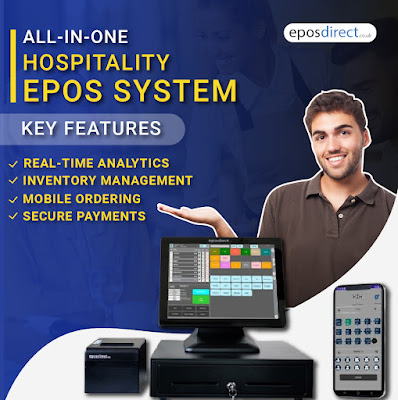
Epos Direct electronic till system is best suited for online and offline retail chains of restaurants, hotels, fast food chains etc. Epos Direct electronic till replaces a traditional cash register. Besides recording transactions, epos tills accept credit and debit card data with a bar code, track stock and extensive reporting. Epos Direct provides the luxury of sales with feather touch merchandising. Retailers make use of weighing scales, barcode scanners, cash registers, POS terminals, touchscreen monitors and other hardware and software available.

What It Is?

Epos Direct epos systems for hospitality suit online and offline chains and can track inventory and records employee working hours. Epos Direct till systems have the following advantages:

·         For online and offline chains

·         Replaces traditional cash register

·         Accepts credit/debit card

·         Uses weighing scales, barcode scanners, customer displays, etc.

·         Enhances functionality with till systems

What It Does Do?

Epos Direct epos system is a centralized billing system. At each stage of sales, the epos system makes use of improved sprint and flexibility integrated to enable sales tracking. It specializes in region, department, location, etc. Epos Direct epos system reports statistics and provides pricing details. Safety standards are used to negate malpractices in trade.

·         Centralized billing

·         Retail reporting

·         Sales tracking

·         Promote income

·         Remote tracking of sales

·         Optimum usage of human resource

Highlights

·         Deliver updated information through online connectivity and a centralized server, providing updated results.

·         Acquired efficiency and accuracy with the best epos till the system improves performance via way of means of the updated technologies. Provides accurate and timely reporting of information.

·         Greater customer satisfaction can be increased by reducing back-office operations.

·         Enhances security and fraud control using login details and provides access rights.

·         Integration to peripherals such as weighing scales, customer displays, barcode scanners, thermal printers, etc.


How Hospitality Epos Systems Can Help You Manage Hospitality Business?

Efficiency and a focus on customer experience are paramount in today’s fast-paced world. Whether you run a bustling restaurant, a charming b...