Showing posts with label electronic point of sale. Show all posts

Why Every Retail Business Needs an Electronic Point-of-Sale System?

In today’s world consumer preferences evolve rapidly and competition intensifies by the day, staying ahead demands more than just quality products and competitive pricing. As technology continues to revolutionize the industry, one tool has emerged as indispensable for retailers of all sizes: the Electronic Point-of-Sale (EPOS) system. This article delves into the crucial role of EPOS systems and why they have become a cornerstone for modern retail businesses.

Understanding Electronic Point-of-Sale Systems

At its core, an Electronic Point-of-Sale system serves as the nerve centre of retail operations. Gone are the days of traditional cash registers; EPOS systems seamlessly integrate hardware and software to streamline transactions, manage inventory, track sales, and analyze data in real time. These systems have evolved from simple transaction processing tools to comprehensive business management solutions tailored to the unique needs of retail establishments.

Why Every Retail Business Needs an Electronic Point-of-Sale System?

Enhanced Efficiency with EPOS Tills

One of the primary advantages of EPOS systems lies in their ability to enhance operational efficiency. Traditional manual processes are prone to errors and inefficiencies, leading to discrepancies in inventory management and accounting. EPOS tills automate these processes, reducing the likelihood of human error and freeing up valuable time for staff to focus on delivering exceptional customer service.

Real-Time Inventory Management

Effective inventory management is critical for retail success, and EPOS systems excel in this aspect. By providing real-time visibility into stock levels, EPOS systems enable retailers to optimize inventory levels, reduce stockouts, and avoid overstocking. This not only improves customer satisfaction by ensuring products are available when needed but also minimizes wastage and enhances profitability.

Seamless Integration Across Channels

In today's omnichannel retail environment, consumers expect a seamless shopping experience across online and offline channels. EPOS integration facilitates this by synchronizing data across various touchpoints, including brick-and-mortar stores, e-commerce platforms, and mobile applications. This ensures consistency in pricing, promotions, and inventory information, fostering customer loyalty and driving sales.

Enhanced Customer Insights

Data is the lifeblood of modern retail, and EPOS systems provide retailers with invaluable insights into customer behaviour and preferences. By capturing transaction data and analyzing purchasing patterns, retailers can identify trends, segment their customer base, and personalize marketing efforts. This data-driven approach enables retailers to anticipate demand, tailor their product offerings, and enhance the overall shopping experience.

Streamlined Checkout Experience

Long queues and inefficient checkout processes can deter customers and result in lost sales. Point of Sale system streamlines the checkout experience by expediting transactions, supporting multiple payment methods, and integrating with loyalty programs and promotions. This not only reduces wait times but also enhances customer satisfaction, encouraging repeat business and positive word-of-mouth referrals.

Enhanced Security and Compliance

With the rise of cyber threats and stringent regulatory requirements, security is paramount for retailers handling sensitive customer data. EPOS systems incorporate robust security features such as encryption, user authentication, and audit trails to safeguard against data breaches and fraud. Moreover, these systems help retailers maintain compliance with industry regulations such as PCI DSS (Payment Card Industry Data Security Standard) and GDPR (General Data Protection Regulation).

Scalability and Adaptability

Whether a small boutique or a multinational chain, retailers require flexible solutions that can scale with their business. Electronic point of sale systems offer scalability and adaptability, allowing retailers to easily expand their operations, add new locations, and integrate additional functionalities as needed. This scalability ensures that retailers can future-proof their businesses and remain competitive in a rapidly evolving marketplace.

Conclusion

In an era defined by technological innovation and shifting consumer preferences, the adoption of Electronic Point-of-Sale systems has become imperative for retail businesses seeking to thrive in a highly competitive landscape. From streamlining operations and enhancing efficiency to driving customer engagement and facilitating growth, EPOS systems offer a multitude of benefits that empower retailers to succeed in the digital age. As the retail industry continues to evolve, investing in a robust EPOS solution is not just a choice but a strategic imperative for businesses looking to stay ahead of the curve.

In essence, electronic point-of-sale systems are the backbone of modern retail, empowering businesses to deliver exceptional customer experiences, drive operational efficiency, and unlock growth opportunities in an increasingly complex marketplace. With their ability to streamline transactions, manage inventory, and harness the power of data, Retail Epos systems have cemented their status as indispensable tools for retailers of all sizes.

How Epos Systems Can Streamline Your Hospitality Business

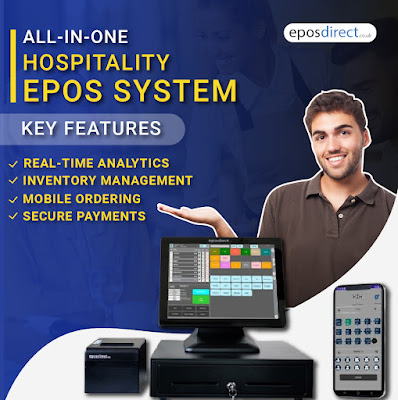
In today's fast-paced hospitality industry, efficiency is paramount. From bustling restaurants and lively bars to comfortable hotels and welcoming bed and breakfasts, every aspect of your business needs to run smoothly to keep guests happy and your bottom line healthy. This is where epos systems (electronic point of sale systems) come in.

These powerful tools are more than just cash registers; they're central hubs that can revolutionize the way you manage your hospitality business. Whether you run a small cafe or a large hotel chain, the Hospitality Epos system can streamline operations, boost customer satisfaction, and unlock valuable insights to fuel growth.

What is an EPOS System?

How Epos Systems Can Streamline Your Hospitality Business

An epos system goes beyond the traditional cash register by offering a suite of integrated features designed to manage all aspects of your business. 

They typically include:

·         Point of Sale Functionality: This core function allows you to process orders, accept payments (including cash, credit cards, and contactless options), and print receipts.

·         Inventory Management: Track stock levels in real-time, generate purchase orders automatically, and minimize waste with low-stock alerts.

·         Table Management (for Restaurants): Seat guests efficiently, track orders by table, and split bills easily.

·         Kitchen Display System (for Restaurants): Orders are sent directly to the kitchen for faster preparation and improved accuracy.

·         Customer Relationship Management (CRM): Build customer profiles, track loyalty points, and personalize guest experiences.

·         Reporting & Analytics: Gain valuable insights into sales trends, customer behaviour, and staff performance to make data-driven decisions.

Benefits of EPOS Systems for Hospitality Businesses

The advantages of implementing an epos system in your hospitality business are numerous and far-reaching. Here's a closer look at how epos systems can streamline your operations:

·         Improved Efficiency: EPOS systems automate tasks like order processing, inventory management, and bill splitting, freeing up your staff to focus on providing excellent customer service.

·         Faster Service: Orders are processed quickly and accurately, reducing wait times and keeping guests happy.

·         Reduced Errors: Manual calculations and data entry are minimized, leading to fewer errors and improved financial accuracy.

·         Enhanced Inventory Control: Track real-time stock levels, receive low-stock alerts and optimize order to minimize waste and ensure popular items are always available.

·         Better Staff Management: EPOS systems can track staff performance, and long working hours, and manage payroll more efficiently.

·         Data-Driven Decision Making: Generate detailed reports on sales trends, customer behaviour, and staff performance to identify areas for improvement and make informed business decisions.

·         Improved Customer Experience: Offer contactless payment options, split bills easily, and personalize the dining experience through loyalty programs.

·         Scalability for Growth: EPOS systems can adapt as your business grows, accommodating new locations, additional staff, and evolving needs.

Specific Applications for Different Hospitality Businesses

EPOS Systems for Restaurants: Streamline food and drink ordering, table management, kitchen operations, and staff scheduling. Integrate with online ordering platforms and loyalty programs to enhance customer convenience.

EPOS Systems for Hotels: Manage check-in/check-out processes, room reservations, housekeeping schedules, and guest billing. Offer self-service kiosks and mobile check-in/out options for a modern and efficient guest experience.

EPOS Systems for Bars & Pubs: Track alcohol sales, manage happy hour promotions, and offer contactless payment options to keep customers moving through the line quickly.

EPOS Systems for Small Businesses: EPOS systems offer a cost-effective solution for cafes, takeaways, and small hotels, streamlining operations and providing valuable insights into sales data at an affordable price point.

Choosing the Right EPOS System for Your Business

With a variety of epos systems available, it's crucial to choose the one that best fits your specific needs and budget. Here are some factors to consider:

·         Size and Type of Business: Consider your industry, number of locations, and staff size. Opt for a system with features tailored to your specific needs.

·         Scalability: Choose a system that can grow with your business, accommodating new locations or expanded services.

·         Ease of Use: The system should be user-friendly for both staff and potentially, your guests (if using self-service options).

·         Integration Capabilities: Ensure the system integrates with existing accounting software, online ordering platforms, and loyalty programs.

·         Cost: Compare pricing models, including upfront costs, monthly subscriptions, and transaction fees.

Epos systems can streamline operations and drive growth in your hospitality venture.

1. Efficient Order Management

One of the primary functions of an Epos system for restaurants and other hospitality businesses is order management. Traditional methods of taking orders manually or through phone calls are prone to errors and can lead to delays in service. With an Epos system in place, orders can be quickly and accurately entered into the system, reducing the risk of mistakes and ensuring prompt service to customers. Whether it's a dine-in order at a restaurant or a room service request at a hotel, Epos systems streamline the process, improving overall efficiency.

2. Enhanced Inventory Management

Managing inventory is a critical aspect of running any hospitality business. With fluctuating demand and perishable goods, staying on top of inventory levels can be challenging. Epos systems offer advanced inventory management features that enable businesses to track stock levels in real-time, set automatic alerts for low-stock items, and generate comprehensive reports on inventory usage. This ensures that businesses can maintain optimal stock levels, reduce wastage, and avoid stockouts, ultimately leading to cost savings and improved profitability.

3. Seamless Integration with Other Systems

Another key advantage of Epos systems is their ability to seamlessly integrate with other essential systems used in hospitality businesses, such as accounting software, reservation systems, and customer relationship management (CRM) platforms. This integration eliminates the need for manual data entry and allows for smooth communication between different departments, streamlining operations and improving overall productivity. For example, when a customer places an order at a restaurant, the Epos system can automatically update the inventory levels, send the order details to the kitchen, and record the transaction in the accounting system—all without any manual intervention.

4. Enhanced Customer Experience

Providing exceptional customer service is paramount to success in the Hospitality industry. Epos systems play a crucial role in enhancing the overall customer experience by enabling faster service, accurate order processing, and personalized interactions. For instance, Epos systems can store customer preferences and purchase history, allowing businesses to offer personalized recommendations and promotions based on individual preferences. Moreover, features such as mobile ordering and payment options streamline the ordering process, providing convenience to customers and improving satisfaction levels.

5. Data-driven Insights

Data is a valuable asset for any business, and Epos systems provide hospitality businesses with access to a wealth of actionable insights. By analyzing sales data, customer trends, and inventory turnover, businesses can identify growth opportunities, optimize pricing strategies, and make informed decisions to drive profitability. Additionally, Epos systems can generate detailed reports on various aspects of the business, such as sales performance, employee productivity, and customer feedback, enabling businesses to identify areas for improvement and implement targeted strategies for success.

6. Flexibility and Scalability

Whether you run a small bed and breakfast or a large chain of restaurants, Epos systems offer flexibility and scalability to meet your evolving needs. Modern Epos systems are highly customizable, allowing businesses to tailor the system to their specific requirements and preferences. Moreover, as your business grows, Epos systems can easily scale to accommodate increased demand and expanded operations, ensuring that you can continue to deliver efficient service and maintain customer satisfaction.

In conclusion, Epos systems have become indispensable tools for streamlining operations and driving growth in the hospitality industry. From efficient order management to enhanced customer experience and data-driven insights, Epos systems offer a wide range of benefits that can help businesses thrive in today's competitive market. Whether you're a restaurant owner, hotelier, or cafe proprietor, investing in an Epos system for small business is a smart decision that can yield significant returns in terms of efficiency, profitability, and customer satisfaction.

Unleashing the Power of All-in-One EPOS System to Boost Business Efficiency

In the ever-evolving landscape of business operations, leveraging cutting-edge technology is paramount for sustained growth and efficiency. One such technology that has revolutionized the way businesses operate is the All-in-One EPOS (Electronic Point of Sale) system. This comprehensive solution has become a cornerstone for various industries, particularly in the realms of hospitality and retail. In this article, we will explore the multifaceted benefits of adopting an All-in-One EPOS system and how it can significantly enhance business efficiency.

Understanding the All-in-One EPOS System

An All-in-One EPOS system is a centralized platform that integrates various business processes, such as sales, inventory management, and customer relationship management (CRM), into a single, cohesive unit. This system employs advanced software and hardware components to streamline day-to-day operations, providing businesses with real-time insights and analytics. The all-encompassing nature of this solution has made it an invaluable asset for both small and large enterprises.

Unleashing the Power of All-in-One EPOS System to Boost Business Efficiency

The Key Components of an All-in-One EPOS System

1. Point of Sale (POS) Terminal:

At the heart of the All-in-One EPOS system lies the POS terminal, a sophisticated device that facilitates transactions and automates the sales process. This terminal is equipped with a user-friendly interface, making it easy for staff to process orders, accept payments, and issue receipts seamlessly.

2. Inventory Management:

Effective inventory management is crucial for businesses in both the hospitality and retail sectors. An All-in-One EPOS system enables businesses to keep track of stock levels in real-time, automate reorder processes, and minimize the risk of stockouts. This feature is particularly beneficial for streamlining supply chain operations and ensuring that products are always available for customers.

3. Customer Relationship Management (CRM):

Building and maintaining strong relationships with customers is pivotal for business success. An EPOS system with integrated CRM capabilities allows businesses to collect and analyze customer data, personalize interactions, and implement targeted marketing strategies. This, in turn, enhances customer loyalty and promotes repeat business.

4. Reporting and Analytics:

The power of data cannot be overstated in today's business landscape. All-in-One EPOS systems provide robust reporting and analytics tools that offer valuable insights into sales trends, customer behavior, and overall business performance. This data-driven approach empowers businesses to make informed decisions, identify areas for improvement, and optimize their operations for maximum efficiency.

Benefits of All-in-One EPOS System for Hospitality

1. Streamlined Order Processing:

In the hospitality industry, where speed and accuracy are paramount, an All-in-One EPOS system streamlines order processing, reducing the time it takes to input and fulfill customer orders. This not only enhances customer satisfaction but also increases the efficiency of the entire service workflow.

2. Table Management and Reservations:

EPOS systems designed for the hospitality sector often include features for table management and reservations. This functionality allows restaurants and cafes to optimize seating arrangements, track reservations, and provide a seamless dining experience for customers.

3. Integrated Payment Processing:

With integrated payment processing capabilities, an All-in-One EPOS system simplifies transactions for both customers and staff. This not only reduces the likelihood of errors but also enhances the security of payment processes, safeguarding sensitive customer information.

4. Loyalty Programs and Promotions:

The ability to implement and manage loyalty programs and promotions is a key advantage of EPOS systems for hospitality. Businesses can reward loyal customers, track the effectiveness of promotional campaigns, and adjust strategies based on real-time data.

Benefits of All-in-One EPOS System for Retail

1. Efficient Checkout Process:

In the retail sector, where quick and efficient transactions are crucial, an All-in-One EPOS system expedites the checkout process. Barcode scanning, inventory lookup, and seamless payment integration contribute to a smooth and hassle-free experience for both customers and staff.

2. Inventory Accuracy and Control:

Retail businesses face constant challenges in managing inventory. An EPOS system for retail provides real-time visibility into stock levels, reducing the likelihood of overstock or stockouts. This leads to improved inventory accuracy and better control over supply chain operations.

3. Multi-Channel Sales Integration:

With the rise of e-commerce and omnichannel retailing, an All-in-One EPOS system seamlessly integrates various sales channels. This enables businesses to manage online and offline sales from a single platform, ensuring a cohesive and consistent shopping experience for customers across different touchpoints.

4. Data-Driven Merchandising:

Retailers can harness the power of data analytics provided by EPOS systems to optimize their merchandising strategies. By understanding customer preferences, purchasing patterns, and product performance, businesses can make informed decisions regarding product placement, pricing, and promotions.

Challenges and Considerations

While the benefits of adopting an All-in-One EPOS system are significant, businesses should also be aware of potential challenges and considerations.

1. Cost of Implementation:

The initial cost of implementing an All-in-One EPOS system, including hardware, software, and training, can be a significant investment for businesses. However, it's essential to view this as a long-term investment that will yield substantial returns in terms of efficiency and improved operations.

2. Integration with Existing Systems:

Businesses with existing systems may face challenges in integrating an All-in-One EPOS system seamlessly. Compatibility issues and data migration processes need to be carefully planned and executed to avoid disruptions in day-to-day operations.

3. Staff Training and Adoption:

The successful implementation of an EPOS system relies on the effective training and adoption by the staff. Businesses should allocate sufficient resources for training programs to ensure that employees are comfortable and proficient in using the new system.

4. Data Security and Compliance:

Given the sensitive nature of customer and transaction data, businesses must prioritize data security and compliance with regulations. Choosing a reputable EPOS provider with robust security measures is essential to safeguarding sensitive information.

EPOS Direct – Best Epos Solutions Provider in UK

EPOS Direct stands out as a leading Electronic Point of Sale (EPOS) solutions provider in the United Kingdom, offering comprehensive and cutting-edge services to businesses across various industries. With a commitment to innovation and customer satisfaction, EPOS Direct has earned a reputation for delivering top-notch EPOS systems tailored to meet the unique needs of its clients.

The company's strength lies in its advanced technology, providing businesses with efficient and user-friendly EPOS solutions that streamline operations and enhance overall productivity. EPOS Direct's systems are designed to handle various aspects of retail and hospitality management, including inventory control, sales tracking, and customer relationship management.

What sets EPOS Direct apart is its dedication to staying ahead of industry trends, ensuring that clients benefit from the latest technological advancements. The company's customer-centric approach involves thorough consultations to understand specific business requirements, resulting in bespoke EPOS solutions that maximize efficiency and drive profitability.

Furthermore, EPOS Direct prioritizes ongoing support and training, empowering clients to make the most of their EPOS systems. This commitment to excellence has positioned EPOS Direct as a trusted partner for businesses seeking reliable and state-of-the-art EPOS solutions in the dynamic landscape of the UK retail and hospitality sectors.

Conclusion

In conclusion, adopting an All-in-One EPOS system can be a game-changer for businesses in the hospitality and retail sectors. The comprehensive features, including streamlined order processing, inventory management, CRM, and analytics, contribute to enhanced efficiency and improved customer experiences. While there are challenges to consider, the long-term benefits far outweigh the initial investments.

Businesses that leverage the power of an All-in-One EPOS system position themselves at the forefront of technological innovation, gaining a competitive edge in today's dynamic market. Whether in the bustling environment of a restaurant or the fast-paced world of retail, the integration of an EPOS system proves to be a strategic move toward achieving operational excellence and driving sustained growth.

The Latest Electronic Point of Sale Innovations for Modern Businesses

In the dynamic landscape of modern businesses, staying ahead of the competition requires embracing cutting-edge technologies, and the realm of electronic point of sale (EPOS) systems has witnessed significant innovations in recent years. From traditional cash registers to sophisticated EPOS solutions, the journey has been transformative for businesses, particularly in the retail sector. This article explores the latest electronic point of sale innovations, with a focus on how they simplify operations for businesses, emphasizing the relevance of advanced systems like the POS till system in the UK.

The Latest Electronic Point of Sale Innovations for Modern Businesses

1. Evolving from Traditional Cash Registers to EPOS Systems:

The conventional cash register, once the backbone of retail transactions, has gradually given way to Electronic Point of Sale (EPOS) systems. These systems integrate hardware and software components to streamline various retail operations, offering a comprehensive solution that goes beyond basic transaction processing.

The transition from a basic till system to a sophisticated EPOS till system marks a paradigm shift in how businesses manage their day-to-day operations. Modern EPOS systems are equipped with advanced features such as inventory management, customer relationship management (CRM), and real-time analytics, providing businesses with a holistic approach to managing their operations.

2. Cloud-Based EPOS Solutions:

One of the latest innovations in electronic point-of-sale technology is the advent of cloud-based EPOS solutions. Unlike traditional systems that rely on on-premise servers, cloud-based EPOS systems leverage the power of the internet to store data securely in the cloud. This innovation offers businesses several advantages, including accessibility from anywhere with an internet connection, automatic updates, and improved scalability.

Cloud-based EPOS systems enable real-time synchronization across multiple devices and locations, providing business owners with a centralized view of their operations. This innovation is particularly beneficial for businesses with multiple outlets, allowing them to manage inventory, track sales, and implement changes seamlessly across all locations.

3. Contactless Payment Integration:

In response to the changing consumer preferences and the global shift towards digital payments, the integration of contactless payment options is a pivotal innovation in EPOS systems. Contactless payment methods, including NFC (Near Field Communication) and mobile wallets, offer customers a convenient and speedy checkout experience.

The adoption of contactless payment integration in EPOS till systems in the UK and around the world not only caters to evolving customer expectations but also enhances transaction security. As businesses embrace a cashless future, EPOS systems play a crucial role in facilitating smooth and secure electronic transactions.

4. AI and Machine Learning Capabilities:

The infusion of artificial intelligence (AI) and machine learning (ML) into EPOS systems brings a new dimension to data analysis and business insights. These technologies empower businesses to analyze customer behaviour, predict trends, and make data-driven decisions. EPOS systems with AI capabilities can recommend personalized offers to customers based on their purchase history, leading to enhanced customer engagement and loyalty.

Furthermore, machine learning algorithms embedded in EPOS systems can optimize inventory management by predicting demand patterns. This ensures that businesses maintain optimal stock levels, reducing the likelihood of overstocking or stockouts. The integration of AI and ML in EPOS solutions signifies a move towards more intelligent and efficient business operations.

5. Enhanced Mobility with Mobile POS (mPOS):

The advent of mobile point of sale (mPOS) solutions is transforming the retail landscape by providing businesses with increased flexibility and mobility. mPOS allows sales associates to process transactions directly on mobile devices, eliminating the need for a fixed checkout counter. This innovation is particularly beneficial for businesses with limited space or those operating in temporary locations, such as pop-up stores or events.

Mobile POS systems can also enhance the overall customer experience by reducing wait times during peak hours and enabling on-the-spot transactions. With the integration of barcode scanners and receipt printers, mPOS solutions offer a seamless and efficient alternative to traditional EPOS systems.

6. Data Security and Compliance:

As electronic transactions become more prevalent, ensuring the security of customer data is paramount. Modern EPOS systems incorporate robust security features to safeguard sensitive information, including end-to-end encryption, tokenization, and secure payment gateways.

Moreover, compliance with data protection regulations, such as GDPR in Europe, is a critical aspect of the latest EPOS innovations. Businesses utilizing EPOS till systems in the UK must adhere to stringent data protection standards and advanced point-of-sale system solutions are designed to facilitate compliance while maintaining the efficiency of daily operations.

7. Customer-Facing Displays and Self-Service Kiosks:

EPOS innovations extend beyond backend operations to enhance the customer experience at the forefront. Customer-facing displays on EPOS systems provide transparency during transactions, allowing customers to verify their purchases and prices. This not only fosters trust but also reduces errors and disputes.

Self-service kiosks represent another leap in EPOS technology, enabling customers to browse products, place orders, and make payments independently. This not only caters to the growing demand for self-service options but also optimizes staff resources, allowing them to focus on more complex tasks and customer interactions.

Conclusion:

In conclusion, the latest electronic point-of-sale innovations are revolutionizing how modern businesses, particularly in the retail sector, operate and interact with customers. From the evolution of traditional cash registers to sophisticated cloud-based EPOS systems, businesses are embracing technology to streamline operations, enhance customer experiences, and stay competitive in an ever-evolving market.

The integration of contactless payment options, AI and machine learning capabilities, mobile POS solutions, and heightened data security exemplify the forward-thinking nature of these innovations. As businesses continue to adapt to the changing landscape, investing in advanced EPOS systems, including the POS till system in the UK, becomes essential for those aiming to not only survive but thrive in the digital era of commerce.

Efficiency Unleashed with Retail EPOS System

In the realm of modern business operations, the integration of technology has become imperative for streamlined processes, especially in the hospitality sector. Among the many advancements, Electronic Point of Sale (EPOS) systems stand as a linchpin in enhancing efficiency, accuracy, and customer experience. These systems have revolutionized the way transactions are conducted and data is managed within the hospitality industry.

The evolution of EPOS systems has been a game-changer, particularly for small businesses and cafes. Traditionally, cash registers were the cornerstone of transaction management, but the limitations of these systems in handling complex tasks, managing inventory, and providing insightful analytics became evident. This paved the way for the inception of electronic point-of-sale solutions tailored to the specific needs of the hospitality sector.

Retail till systems, a foundational component of EPOS, have undergone a significant metamorphosis. From simple cash registers, they've evolved into sophisticated systems capable of not only processing payments but also managing inventory, tracking sales, and even integrating with customer relationship management (CRM) tools. The contemporary retail EPOS system is a multifunctional hub, serving as the nerve center of business operations for small businesses, cafes, and larger enterprises alike.

For small businesses, investing in an EPOS system marks a pivotal moment. These systems are designed to be user-friendly, cost-effective, and scalable, catering to the unique demands of small-scale operations. With intuitive interfaces and simplified functionalities, these EPOS systems empower small business owners to efficiently manage transactions, monitor inventory levels in real time, and generate detailed reports for informed decision-making.

Cafes, a vibrant segment of the hospitality industry, benefit immensely from EPOS systems tailored to their specific needs. The fast-paced nature of cafes demands swift and accurate transactions, coupled with seamless inventory management to ensure consistent service. An EPOS system designed for cafes facilitates order customization, supports different payment methods, and integrates seamlessly with kitchen displays, expediting the entire process from order to delivery.

The integration of an EPOS system isn't merely about upgrading hardware; it's a holistic transformation of the business workflow. These systems bring automation to mundane tasks, enabling staff to focus more on customer interaction and service quality. The ability to track inventory levels in real-time aids in preventing stockouts and optimizing purchasing decisions, ultimately reducing wastage and improving profitability.

Furthermore, the analytical capabilities of modern EPOS systems offer invaluable insights. Sales trends, peak hours, popular menu items, and customer preferences can be analyzed to refine marketing strategies, tailor offerings, and optimize pricing strategies. This data-driven approach empowers businesses to make informed decisions that resonate with their customer base, fostering loyalty and satisfaction.

Amid the digital revolution, cloud-based EPOS solutions have emerged as a game-changer. Offering accessibility from anywhere with an internet connection, these systems break down geographical barriers. Small business owners and cafe managers can monitor operations remotely, update menus, or track sales even when off-site. Additionally, cloud-based systems offer enhanced security and automatic updates, alleviating concerns about data breaches and ensuring the software is always up-to-date.

The benefits of epos systems for small businesses extend beyond the operational realm; they significantly enhance the customer experience. Swift transactions, accurate orders, and personalized service contribute to customer satisfaction and loyalty. Moreover, the integration of loyalty programs and customer databases within EPOS systems enables businesses to reward patrons, track their preferences, and provide tailored offerings, fostering lasting relationships.

However, while the advantages are substantial, choosing the right EPOS system requires careful consideration. Factors such as scalability, integration capabilities with existing systems, ongoing support, and affordability should be thoroughly evaluated. Each business has unique needs, and selecting an EPOS system that aligns with these requirements is crucial for maximizing its potential benefits.

In conclusion, the evolution of EPOS systems has transformed the landscape of hospitality businesses, especially for small ventures and cafes. These systems once limited to processing transactions, have evolved into comprehensive solutions that streamline operations, enhance data-driven decision-making, and elevate the overall customer experience. Investing in the right EPOS system isn't just an upgrade; it's a strategic move towards efficiency unleashed in the competitive realm of modern business.

Elevating Business Efficiency: Exploring the EPOS System

In today's fast-paced business environment, efficiency is the key to success. Whether you run a small retail store or a bustling restaurant, managing your operations effectively can make all the difference. One technology that has been instrumental in streamlining business processes is the Electronic Point of Sale (EPOS) system. In this article, we will explore the EPOS system, its benefits, and how it can help elevate business efficiency.

Elevating Business Efficiency: Exploring the EPOS System

Understanding the EPOS System

The EPOS system is a computerized system that combines both hardware and software to facilitate sales and inventory management. Unlike traditional cash registers, EPOS systems offer a comprehensive solution that goes beyond simple transaction processing. They are designed to handle a variety of tasks, including sales, inventory tracking, customer data management, and reporting.

An EPOS system typically consists of the following components:

1. Hardware: This includes a touchscreen monitor, cash drawer, barcode scanner, receipt printer, and other peripherals. The hardware components are the tools that your staff will use to process transactions and manage sales.

2. Software: EPOS software is the brain of the system. It allows you to input product information, manage inventory, create and track customer orders, and generate reports. Some EPOS systems also offer advanced features like employee management and customer relationship management (CRM) tools.

3. Networking: EPOS systems can be connected to a central network, enabling you to access data and perform remote management tasks. This is particularly useful for businesses with multiple locations.

4. Payment Processing Integration: EPOS systems often come with integrated payment processing solutions, making it easy to accept various payment methods, including credit cards, mobile payments, and online orders.

5. Cloud-Based Options: Many modern EPOS systems offer cloud-based solutions, allowing you to access your data and manage your business from anywhere with an internet connection.

Benefits of the EPOS System

Now that we have a clear understanding of what the electronic till system is, let's dive into its numerous benefits for businesses of all sizes and industries.

1. Enhanced Accuracy

One of the most significant advantages of an EPOS system is the increased accuracy it brings to your business operations. Unlike manual cash registers, EPOS systems eliminate human errors in calculation, ensuring that each transaction is recorded accurately. This precision extends to inventory management, reducing the likelihood of overstocking or running out of essential items.

2. Streamlined Inventory Management

Efficient inventory management is crucial for any business, and EPOS systems excel in this area. With real-time inventory tracking, you can monitor stock levels, set up automatic reorder points, and receive alerts when items are running low. This prevents the loss of sales due to out-of-stock items and minimizes excess inventory, saving you both time and money.

3. Improved Customer Experience

EPOS systems offer features like customer profiles, loyalty programs, and integrated CRM tools that help you provide a better experience for your customers. You can easily access a customer's purchase history, personalize recommendations, and offer promotions tailored to their preferences. This fosters customer loyalty and encourages repeat business.

4. Efficient Sales Reporting

Generating sales reports is a breeze with EPOS systems. You can access data on product performance, sales trends, and employee productivity in real time. This information is invaluable for making informed business decisions, optimizing your product offerings, and identifying growth opportunities.

5. Streamlined Checkout Process

EPOS systems offer a faster and more efficient checkout process, reducing customer wait times and enhancing the overall shopping experience. With features like barcode scanning and integrated payment processing, cashiers can complete transactions quickly and accurately.

6. Employee Management

Many EPOS systems include employee management features, allowing you to track employee work hours, measure their productivity, and calculate commissions or bonuses. It can help you manage your workforce more effectively and motivate your staff.

7. Data Security

Data security is a top priority for businesses, and EPOS systems come equipped with security measures to protect sensitive customer information and transaction data. Encrypted payment processing and user authentication help safeguard your business against data breaches.

8. Scalability

EPOS systems are highly scalable and can be tailored to the specific needs of your business. Whether you run a small boutique or a large chain of stores, you can customize your EPOS system to accommodate your growing requirements.

9. Integration Capabilities

EPOS systems can integrate with other business software, such as accounting, e-commerce, and marketing tools. It streamlines data sharing and reduces the need for manual data entry, further enhancing efficiency.

10. Cloud-Based Accessibility

Cloud-based EPOS systems offer the advantage of remote access to your business data. It means you can manage your operations and monitor sales even when you're not on-site. It's a game-changer for business owners who want the flexibility to oversee their operations from anywhere.

Industries that Benefit from EPOS Systems

EPOS systems are not limited to a single industry; they can be applied to a wide range of businesses. Here are some examples of industries that benefit from EPOS systems:

Retail

In the retail sector, EPOS systems are widely used by stores of all sizes. They provide efficient inventory management, sales tracking, and customer data collection. Whether you run a small boutique or a large department store, an EPOS system can help you stay organized and serve your customers better.

Hospitality

Restaurants, cafes, and bars benefit from EPOS systems to manage orders, split bills, and track inventory. They can also integrate with kitchen display systems, which streamline food preparation and ensure prompt service.

Healthcare

In healthcare, EPOS systems used for patient registration, appointment scheduling, and prescription management. They help medical facilities maintain accurate records and provide efficient services to patients.

Events and Entertainment

EPOS systems used at events and entertainment venues for ticket sales, concessions, and merchandise. They ensure a smooth and speedy guest experience while collecting valuable data on attendee preferences.

Salons and Spas

EPOS systems in salons and spas simplify appointment booking, inventory management of beauty products, and tracking customer preferences. They help maintain a high level of customer satisfaction.

Automotive

In the automotive industry, EPOS systems used in repair shops and spare parts stores. They help with managing inventory, processing orders, and tracking vehicle service history.

E-commerce

Even in the online world, EPOS systems play a crucial role in managing orders, inventory, and customer data. They are essential for businesses with both physical and online store presence.

Selecting the Right EPOS System

Choosing the right EPOS system for your business is a critical decision. There are several factors to consider:

1. Business Type: Consider the specific needs of your business, whether it's a retail store, restaurant, or another type of establishment. Some EPOS systems are better suited for certain industries.

2. Size and Scalability: Ensure the EPOS system can grow with your business. You don't want to outgrow your system too quickly.

3. Features: List all the features you require, such as inventory management, sales reporting, or customer relationship management. Compare EPOS systems to find one that meets your needs.

4. User-Friendliness: The system should be intuitive and easy for your staff to learn and use. Complicated systems can lead to errors and inefficiencies.

5. Integration Options: Check if the EPOS system can integrate with other software you use, such as accounting or e-commerce platforms.

6. Support and Training: Ensure the provider offers adequate support and training for your team to use the system effectively.

7. Data Security: Verify that the EPOS system has robust security measures to protect your data and customer information.

8. Cost: Consider the initial setup costs, monthly fees, and any additional charges for hardware, software updates, or customer support.

9. Reviews and Recommendations: Read reviews and seek recommendations from businesses in your industry who are already using EPOS systems.

Challenges and Considerations

While EPOS systems offer numerous benefits, there are some challenges and considerations to keep in mind:

1. Cost: EPOS systems can be a significant investment, especially for small businesses. However, the long-term benefits often outweigh the initial expenses.

2. Training: Your staff will need training to use the system effectively. Be prepared for a learning curve and ensure proper training and support.

3. Maintenance: Like any technology, EPOS systems require regular maintenance and updates to ensure they function correctly.

4. Data Backup: It's essential to have a data backup and recovery plan in case of system failures or data loss.

5. Internet Reliance: Cloud-based EPOS systems rely on an internet connection. A stable connection is necessary for uninterrupted operations.

6. Compatibility: Ensure to shop till systems that are compatible with the hardware and software you already use in your business.

7. Regulations: Depending on your location and industry, there may be specific regulations regarding EPOS systems and data security. Ensure you comply with all relevant laws.

Conclusion

EPOS systems have revolutionized the way businesses operate, offering a wide range of benefits that can significantly elevate business efficiency. From accurate transaction processing to streamlined inventory management and enhanced customer experiences, the advantages are clear. Moreover, EPOS systems are highly adaptable and suitable for a variety of industries, making them a valuable investment for businesses of all sizes.

When choosing electronic till systems for your business, it's essential to consider your specific needs, the scalability of the system, user-friendliness, integration options, and data security. With the right system in place, you can streamline your operations, make more informed decisions, and ultimately, improve your bottom line. As technology continues to advance, EPOS systems will likely play an even more critical role in business efficiency, making them an essential tool for modern entrepreneurs.

Source by: https://www.eposdirect.co.uk/blog/elevating-business-efficiency-exploring-the-epos-system

How Hospitality Epos Systems Can Help You Manage Hospitality Business?

Efficiency and a focus on customer experience are paramount in today’s fast-paced world. Whether you run a bustling restaurant, a charming b...