Showing posts with label retail till systems. Show all posts

Efficiency Unleashed with Retail EPOS System

In the realm of modern business operations, the integration of technology has become imperative for streamlined processes, especially in the hospitality sector. Among the many advancements, Electronic Point of Sale (EPOS) systems stand as a linchpin in enhancing efficiency, accuracy, and customer experience. These systems have revolutionized the way transactions are conducted and data is managed within the hospitality industry.

The evolution of EPOS systems has been a game-changer, particularly for small businesses and cafes. Traditionally, cash registers were the cornerstone of transaction management, but the limitations of these systems in handling complex tasks, managing inventory, and providing insightful analytics became evident. This paved the way for the inception of electronic point-of-sale solutions tailored to the specific needs of the hospitality sector.

Retail till systems, a foundational component of EPOS, have undergone a significant metamorphosis. From simple cash registers, they've evolved into sophisticated systems capable of not only processing payments but also managing inventory, tracking sales, and even integrating with customer relationship management (CRM) tools. The contemporary retail EPOS system is a multifunctional hub, serving as the nerve center of business operations for small businesses, cafes, and larger enterprises alike.

For small businesses, investing in an EPOS system marks a pivotal moment. These systems are designed to be user-friendly, cost-effective, and scalable, catering to the unique demands of small-scale operations. With intuitive interfaces and simplified functionalities, these EPOS systems empower small business owners to efficiently manage transactions, monitor inventory levels in real time, and generate detailed reports for informed decision-making.

Cafes, a vibrant segment of the hospitality industry, benefit immensely from EPOS systems tailored to their specific needs. The fast-paced nature of cafes demands swift and accurate transactions, coupled with seamless inventory management to ensure consistent service. An EPOS system designed for cafes facilitates order customization, supports different payment methods, and integrates seamlessly with kitchen displays, expediting the entire process from order to delivery.

The integration of an EPOS system isn't merely about upgrading hardware; it's a holistic transformation of the business workflow. These systems bring automation to mundane tasks, enabling staff to focus more on customer interaction and service quality. The ability to track inventory levels in real-time aids in preventing stockouts and optimizing purchasing decisions, ultimately reducing wastage and improving profitability.

Furthermore, the analytical capabilities of modern EPOS systems offer invaluable insights. Sales trends, peak hours, popular menu items, and customer preferences can be analyzed to refine marketing strategies, tailor offerings, and optimize pricing strategies. This data-driven approach empowers businesses to make informed decisions that resonate with their customer base, fostering loyalty and satisfaction.

Amid the digital revolution, cloud-based EPOS solutions have emerged as a game-changer. Offering accessibility from anywhere with an internet connection, these systems break down geographical barriers. Small business owners and cafe managers can monitor operations remotely, update menus, or track sales even when off-site. Additionally, cloud-based systems offer enhanced security and automatic updates, alleviating concerns about data breaches and ensuring the software is always up-to-date.

The benefits of epos systems for small businesses extend beyond the operational realm; they significantly enhance the customer experience. Swift transactions, accurate orders, and personalized service contribute to customer satisfaction and loyalty. Moreover, the integration of loyalty programs and customer databases within EPOS systems enables businesses to reward patrons, track their preferences, and provide tailored offerings, fostering lasting relationships.

However, while the advantages are substantial, choosing the right EPOS system requires careful consideration. Factors such as scalability, integration capabilities with existing systems, ongoing support, and affordability should be thoroughly evaluated. Each business has unique needs, and selecting an EPOS system that aligns with these requirements is crucial for maximizing its potential benefits.

In conclusion, the evolution of EPOS systems has transformed the landscape of hospitality businesses, especially for small ventures and cafes. These systems once limited to processing transactions, have evolved into comprehensive solutions that streamline operations, enhance data-driven decision-making, and elevate the overall customer experience. Investing in the right EPOS system isn't just an upgrade; it's a strategic move towards efficiency unleashed in the competitive realm of modern business.

Revolutionizing the Retail Industry: The Role of EPOS Systems

The retail industry has experienced significant transformations over the years, driven by technological advancements and changing consumer expectations. One such technological innovation that has revolutionized the way retailers operate is the Electronic Point of Sale (EPOS) system. EPOS systems have become an integral part of modern retail businesses, providing numerous benefits and transforming the way transactions are processed, inventory is managed, and customer relationships are nurtured. In this article, we will explore the role of Epos tills in revolutionizing the retail industry.

Revolutionizing the Retail Industry: The Role of EPOS Systems

1. Streamlining Sales Processes:

EPOS systems have greatly streamlined the sales processes in retail stores. With an electronic point of sale system, the traditional cash register is replaced by a computer-based system that allows for faster and more accurate transactions. Retailers can scan barcodes or use RFID technology to quickly register items, calculate prices, and process payments. This efficiency not only saves time but also reduces the chances of human error, leading to more accurate sales records.

2. Real-Time Inventory Management:

One of the key advantages of retail till systems is their ability to provide real-time inventory management. With traditional systems, retailers had to rely on manual stock checks, which were time-consuming and often prone to errors. EPOS systems, on the other hand, automatically update inventory levels as items are sold, allowing retailers to have an accurate view of their stock at any given moment. This real-time visibility enables businesses to optimize their inventory levels, reduce stockouts, and make informed purchasing decisions.

3. Enhanced Customer Relationship Management:

POS till systems in UK play a crucial role in nurturing customer relationships. These systems allow retailers to capture valuable customer data, such as purchase history, preferences, and contact information. With this data, retailers can personalize the shopping experience, offer targeted promotions, and build customer loyalty programs. EPOS systems also facilitate the integration of customer relationship management (CRM) software, enabling retailers to analyze customer behavior, identify trends, and make data-driven decisions to enhance customer satisfaction.

4. Integrated Analytics and Reporting:

Another significant advantage of EPOS systems is their ability to generate detailed analytics and reports. These systems capture a wealth of data on sales, inventory, and customer behavior, which can be analyzed to gain valuable insights. Retailers can identify top-selling products, peak sales periods, and customer buying patterns. This information helps retailers optimize their product offerings, pricing strategies, and marketing campaigns. Retail till system also generate comprehensive reports on sales performance, inventory turnover, and profit margins, allowing retailers to monitor their business's financial health.

5. Efficient Staff Management:

EPOS systems contribute to efficient staff management in retail stores. These electronic till systems can track individual employee sales performance, hours worked, and commission calculations. This data helps retailers evaluate staff productivity, reward high performers, and identify training needs. EPOS systems also facilitate the scheduling of shifts, enabling retailers to optimize staff allocation based on sales data, footfall patterns, and seasonal demands. By automating these processes, electronic till system frees up time for managers to focus on other important aspects of store operations.

6. Integration with E-Commerce:

As e-commerce continues to grow, the integration of till systems in UK with online platforms has become crucial for retailers. EPOS systems can be seamlessly connected with e-commerce websites, allowing retailers to manage inventory, process orders, and synchronize product information across multiple channels. This integration provides a unified view of stock levels, prevents overselling, and ensures consistent pricing and product availability across online and offline channels. By bridging the gap between physical and online retail, EPOS systems enable retailers to offer a seamless and convenient shopping experience to customers.

In conclusion, till systems for retail have revolutionized the retail industry by streamlining sales processes, providing real-time inventory management, enhancing customer relationship management, offering integrated analytics and reporting, enabling efficient staff management, and facilitating integration with e-commerce platforms. As technology continues to advance, we can expect POS till systems to evolve further, providing even more sophisticated features and capabilities. Retailers that embrace these systems and leverage their full potential are likely to gain a competitive edge in an increasingly dynamic and customer-centric retail landscape.

The Importance of POS Systems for the Hospitality Industry While Implementing?

The importance of POS systems has increased significantly in recent times, especially with the emergence of cloud-based POS systems. Therefore, it is no longer enough to think of a point-of-sale system comparable to the retail till system. These systems are now smart service solutions that have the potential to fundamentally change hospitality businesses.  

Effective use of point-of-sale systems allows businesses to quickly and conveniently provide services to customers, allowing them to efficiently pay for goods and services, using multiple methods – often without must go to a dedicated payment area. However, the benefits of a point-of-sale system go beyond the customer experience. 

The use of point-of-sale systems allows for instant and continuous communication between different departments and even different branches of the same company. Systems can help eliminate miscalculations and can also ensure that all parts of the business have access to the most important information regarding inventory and availability. 

When used to their full potential, point-of-sale systems can help with reporting, data analysis, and many other internal processes critical to business success. Best of all, the best epos system for a restaurant can improve employee productivity, eliminate unnecessary friction, automatically apply special offers on purchases, and help with business administration.  

3 Pain points you may encounter when implementing a POS system in your business

When implementing an epos system in a business in the hospitality industry, you may encounter three main problems. In the sections below, you can learn more about these and how to fix them.  

1) Define your business scope and the purpose of the epos system therein

First of all, it is important to clarify that the goals of the point of sale system and the selection criteria can vary depending on the size of the company. A small local business operating out of a building may only need a simple system, but if you are a hotel or restaurant chain, you may need a system that is accessible from anywhere and managed from the outside. With that in mind, you need to define your business, your goals, and why you need a point-of-sale system. 

2) Define the functions you need from the point of sale, including analytics

Next, it's important to use the scope you defined in the previous step to determine the features you need from your epos system for a cafe. Do you need retail functionality? Takeaway feature? What about a webshop? Do you need analytical tools? How much customization do you need? In this context, you must also take into account your plans and the evolution of your needs over the coming months and years. 

3) Train employees to use the point-of-sale system

While epos systems are a powerful tool in the hotel industry, they are not only useful for hospitality management. Your regular employees will have to use the till systems for hospitality daily, which requires training. However, you need to think about this holistically rather than just teaching employees how to use the offered features. How can an employee determine the payment period for an additional sale? Where can employees find product or service information? Try to train your employees to practically use the full range of tools they have.

What Features To Look For When Choosing The Best Retail EPOS System?

Many small businesses rely on retail epos systems to ring up customer purchases and manage other significant operations. Those in the retail business can achieve profits from this type of solution. Epos retail system allows retailers to complete customer transactions but track and manage stock and customer data. According to a survey, 91% of customers are bound to shop with brands that remember them and provide relevant offers and recommendations – retail till systems allow retailers to do exactly that.

There are many till systems for retail available, so choosing the best epos system for your retail business requires careful analysis and consideration. While assessing your options, look for a solution within your budget and have the tools and features required for your business.

What Is A Retail EPOS System?

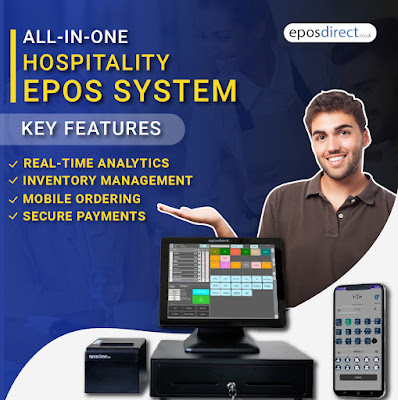
If you are wondering what a POS system is, then you should know that it is a combination of hardware and epos software in the UK. It is a normal replacement for the traditional cash register since it offers comprehensive tools aside from ringing up sales. For instance, it allows you to record sales, process payments, track and manage stock, and loyalty programs, manage staff performance, and access real-time reports. Some Epos system providers offer all you need (software and hardware) in a single package, while others allow you to integrate their product with the hardware you buy from third parties.

Retail EPOS Software

Retailers have the option of choosing local, server-based epos software, which stores and manages sales data on location; however, the best programs are either apps or cloud-based SaaS solutions. Using a cloud-based solution is normal among retailers since it allows them to see sales data online in real time. Furthermore, cloud-based retail epos software is affordable, which is particularly great for retailers with several locations or a tight budget.

Whether you choose cloud-based or server-based epos software makes sure the system is compatible with your payment processor and has the add-ons you require.

Retail POS Hardware

While choosing retail POS hardware, consider the type of hardware you need to use and what will be the most useful for your store. EPOS hardware can be a fixed terminal. Many small businesses choose mobile POS hardware since it is affordable and offers flexibility.

Although every business is unique, the typical epos hardware you require for your retail business includes:

·         Tablet

·         Tablet stand

·         Cash drawer

·         Barcode scanner

·         Receipt printer

·         Card reader

A few epos software providers have restrictive epos software that you use while other suppliers let you use third-party hardware. However, some specific brands and models are compatible with the software.

What are the features of a retail epos system?

You can buy an epos system with basic features like inventory management and data recording or a more powerful solution, but ensure your system has these basic features:

·         Payment processor compatibility

·         Product matrix, inventory tracking and purchase orders

·         Data recording, reporting and analytics

·         Customer management and loyalty programs

·         Staff management

You need an epos system that integrates seamlessly with top accounting software and exceptionally rated email marketing platforms. Having an integrated system that automatically shares information will improve your business operations and reduce the risk of human error.

How Hospitality Epos Systems Can Help You Manage Hospitality Business?

Efficiency and a focus on customer experience are paramount in today’s fast-paced world. Whether you run a bustling restaurant, a charming b...