Showing posts with label till systems. Show all posts

Revolutionize Your Retail Business with the Latest EPOS Retail System Trends

In today's dynamic retail landscape, the evolution of technology has become synonymous with progress. Among the most pivotal innovations in the retail sphere is the Electronic Point of Sale (EPOS) system. The traditional cash register has undergone a metamorphosis, transforming into an all-encompassing, sophisticated system that transcends mere transaction handling. Embracing the latest trends in EPOS retail systems is no longer an option—it's a necessity for thriving in a competitive market.

The Evolution of Till Systems: From Cash Registers to EPOS

Gone are the days of manual cash registers and handwritten receipts. The advent of electronic tills marked a significant shift in the retail industry. This shop till systems automated transactions tracked sales, and maintained rudimentary inventory records. However, their capabilities were limited, and the need for more comprehensive solutions emerged.

Enter EPOS systems for retail—the game-changers in modern commerce. These systems encompass a suite of functionalities that go beyond basic transaction processing. They integrate inventory management, customer relationship management (CRM), sales analytics, and more into a single, streamlined interface. The latest iterations of EPOS systems have brought forth a wave of transformative trends reshaping the retail landscape.

Key Trends in EPOS Retail Systems

1. Cloud-Based EPOS Systems

The shift towards cloud-based EPOS systems has been monumental. Unlike traditional on-premise solutions, cloud-based systems offer unparalleled flexibility, scalability, and accessibility. They empower retailers to manage multiple stores, access real-time data remotely, and swiftly implement updates or changes across their networks.

2. Integration with Omni channel Retailing

Omni channel retailing is no longer a buzzword—it's a fundamental strategy for success. Electronic till systems have evolved to seamlessly integrate online and offline sales channels, providing a unified shopping experience. This integration enables retailers to offer click-and-collect services, facilitate returns across various channels, and provide customers with a consistent journey regardless of where they interact with the brand.

3. Enhanced Mobility and Flexibility

Modern EPOS systems have broken free from the confines of traditional checkout counters. Mobility is the name of the game, with portable devices empowering staff to assist customers anywhere in the store. Tablets and smartphones equipped with EPOS capabilities enable quick checkouts, inventory checks, and personalized customer interactions on the go.

4. Data-Driven Insights and Analytics

The wealth of data generated by EPOS systems is a goldmine for retailers. Advanced analytics tools embedded within these systems provide invaluable insights into customer behaviour, popular products, sales trends, and more. Retailers can leverage this data to make informed decisions, optimize inventory levels, devise targeted marketing campaigns, and enhance overall business strategies.

5. AI and Machine Learning Integration

The incorporation of artificial intelligence (AI) and machine learning algorithms has elevated EPOS systems to a new level. These technologies power predictive analytics, personalized recommendations, and dynamic pricing strategies. AI-driven till systems adapt to changing market dynamics in real-time, optimizing pricing and promotions for maximum profitability.

The Impact on Retail Businesses

The adoption of these latest trends in EPOS retail systems has far-reaching implications for businesses:

1. Operational Efficiency and Cost Savings

Streamlined processes and automation significantly enhance operational efficiency. Once time-consuming tasks, such as inventory management or reconciling sales data, are now executed seamlessly, reducing labour costs and human errors.

2. Improved Customer Experience

The integration of omni channel capabilities and mobility empowers retailers to offer a personalized and convenient shopping experience. Faster checkouts, access to product information, and tailored recommendations contribute to heightened customer satisfaction and loyalty.

3. Informed Decision-Making

Data-driven insights derived from EPOS systems enable retailers to make informed decisions. They can identify high-performing products, understand consumer preferences, and adapt strategies accordingly, leading to better stock management and marketing initiatives.

4. Future-Proofing Businesses

Staying abreast of the latest EPOS system for Retail trends ensures that retailers remain competitive and adaptable in a rapidly evolving market. Embracing technological advancements positions businesses to navigate future challenges and capitalize on emerging opportunities.

Overcoming Challenges and Embracing the Future

Despite the numerous benefits, the adoption of new EPOS retail systems comes with its challenges. The initial cost of implementation, staff training, and data security concerns are among the hurdles businesses may face. However, these challenges pale in comparison to the long-term advantages these systems offer.

In conclusion, the evolution of till systems into sophisticated EPOS retail system has reshaped the retail landscape. Embracing the latest trends in EPOS technology is no longer a choice—it's a strategic imperative for businesses aiming to thrive in a competitive market. From cloud-based solutions to AI-driven insights, the opportunities these systems present are vast. By harnessing the power of these innovations, retailers can revolutionize their operations, enhance customer experiences, and secure a prosperous future in the ever-evolving retail industry.

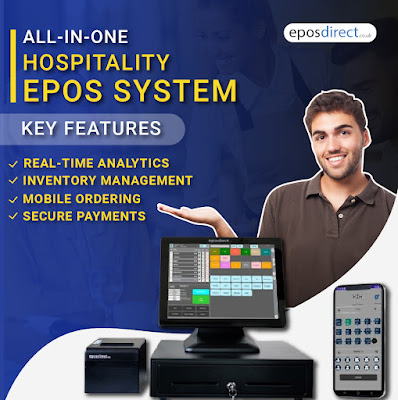
Streamlining Operations with Epos Systems for Hospitality

In the fast-paced and competitive world of the hospitality industry, efficient till systems are the key to success. Whether you run a restaurant, hotel, or any other establishment in the sector, streamlining your operations can greatly impact your bottom line. One powerful tool for achieving this goal is an Electronic Point of Sale (EPOS) system. EPOS systems have revolutionized the way hospitality businesses operate, enhancing efficiency, customer service, and overall profitability. In this article, we will explore how EPOS systems can streamline operations in the hospitality industry and discuss the various benefits they offer.

Benefits of EPOS Systems for Hospitality

1. Efficient Order Processing: One of the primary functions of EPOS systems in the hospitality industry is efficient order processing. When customers place their orders, whether it's in a restaurant, bar, or hotel, the orders are immediately sent to the kitchen or relevant department, reducing the time it takes for the order to be prepared and served. This results in faster service and a more satisfied customer.

2. Inventory Management: Managing inventory can be a significant challenge in the hospitality sector. With a vast array of products and perishable goods, keeping track of what's in stock is essential. EPOS systems automate this process by recording every item sold and updating inventory levels in real time. This helps businesses reduce waste, prevent over-ordering, and ensure that popular items are always in stock.

3. Streamlined Payment Processing: EPOS systems facilitate secure and efficient payment processing. Whether customers are paying by cash, credit card, or mobile payment methods, the system can handle it all. It not only expedites the payment process but also minimizes the risk of errors, such as giving incorrect change.

4. Data Analytics: EPOS systems collect a wealth of data on customer orders and preferences. The data can be analyzed to gain valuable insights into customer behaviour, helping businesses make informed decisions. For example, it can reveal which menu items are the most popular, peak hours of business, and seasonal trends, allowing establishments to adapt their offerings and marketing strategies accordingly.

5. Improved Customer Service: In the hospitality industry, exceptional customer service is essential for success. EPOS systems can help staff provide better service by allowing them to focus on the customer rather than the transaction. With order processing, payment, and inventory management streamlined, staff can dedicate more time to addressing customer needs and ensuring a positive experience.

6. Table Management: Restaurants and cafes benefit from EPOS systems with table management features. These systems can help staff keep track of which tables are occupied, which are waiting to be cleared, and how long customers have been seated. It ensures a more efficient turnover of tables, which is crucial during busy periods.

7. Enhanced Security: EPOS systems are designed with security in mind. They have built-in features that protect sensitive customer data and prevent internal theft. Additionally, EPOS systems can provide detailed reports on transactions and activities, allowing business owners to monitor for any irregularities or suspicious behaviour.

8. Remote Access: Modern EPOS systems often come with the advantage of remote access. It means that business owners and managers can monitor and control their operations even when they are not on-site. It can be incredibly useful for overseeing multiple locations or checking in on the business from home or while travelling.

9. Reduced Errors: Human errors in manual order-taking and payment processing can be costly. EPOS systems minimize these errors, resulting in greater accuracy in orders and billing. This not only reduces waste but also enhances the customer's trust in the establishment.

10. Integration with Other Systems: EPOS systems are not standalone; they can integrate with other software and services. For example, they can connect with reservation systems, accounting software, and customer relationship management (CRM) systems, creating a seamless flow of data and operations.

Challenges of Implementing Electronic Till Systems

While EPOS systems offer numerous benefits to the hospitality industry, there are also challenges to consider when implementing them:

1. Cost: Purchasing and setting up an EPOS system can be a significant initial investment. The cost may include hardware, software licenses, installation, and staff training. However, many businesses find that the long-term benefits outweigh the initial expense.

2. Training: Staff members need to be trained on how to use EPOS systems effectively. This training can be time-consuming and may require additional resources. However, once employees are familiar with the system, it can significantly boost their productivity.

3. Technical Issues: Like any technology, EPOS systems can experience technical issues from time to time. It can lead to downtime and potential service disruptions. Having a support plan in place and reliable technical support can mitigate these challenges.

4. Data Security: EPOS systems handle sensitive customer and financial data. Ensuring the security of this information is paramount. Businesses must implement security measures, such as encryption and access controls, to protect customer data.

5. Customization: Businesses may have unique needs and requirements that demand a certain level of customization in their EPOS system. It can be a more complex and costly process, but it's essential to ensure that the system meets the specific needs of the establishment.

Choosing the Right EPOS System

Selecting the right EPOS system for small business is a critical decision. Several factors need to be considered when making this choice:

1. Scalability: The chosen system should be able to grow with the business. Whether it's a small cafe or a large hotel, the EPOS system should be adaptable to accommodate the changing needs and expanding operations.

2. User-Friendly Interface: An intuitive and easy-to-use interface is essential for staff efficiency. A complicated system can lead to frustration and errors. Training should be streamlined and not overly time-consuming.

3. Compatibility: Ensure that the EPOS system is compatible with the hardware and software already in use within the establishment. It includes considerations for printers, payment processors, and other devices.

4. Support and Maintenance: Check for the availability of technical support and maintenance services. Technical issues can arise, and having access to quick and reliable support is essential for minimizing downtime.

5. Integration Capabilities: Determine if the EPOS system for the café can integrate with other essential software and services used by the business. Seamless data flow between systems is crucial for streamlining operations.

6. Data Analytics: Consider the depth of data analytics and reporting features provided by the system. Robust reporting capabilities allow businesses to gain valuable insights into their operations and make informed decisions.

7. Cost: While the initial cost of the system is important, also consider the long-term value it brings to the business. Calculate the return on investment (ROI) and weigh it against the initial expense.

8. Security Features: Prioritize systems that offer robust security features, such as encryption, data backups, and access controls. Security should be non-negotiable when dealing with customer data and financial transactions.

Conclusion

EPOS system for Hospitality has become an indispensable tools for streamlining operations in the hospitality industry. Their ability to enhance efficiency, improve customer service, and provide valuable insights through data analytics has made them a must-have for businesses in this sector. While there are initial costs, the long-term benefits in terms of improved operations, cost savings, and enhanced customer experiences are well worth the investment. Whether you run a restaurant, a hotel, a café, or any other hospitality business, implementing the right EPOS system can help you stay competitive and thrive in a fast-paced and ever-evolving industry.

Increasing Profitability: Harnessing the Potential of EPOS Systems in Business

In the dynamic landscape of modern business, technology has become an indispensable tool for growth and success. One such technological marvel that has significantly impacted the way businesses operate is the Electronic Point of Sale (EPOS) system. Till systems for retail have evolved from traditional cash registers into sophisticated, data-driven solutions that not only streamline transactions but also provide valuable insights for decision-making. Harnessing the potential of EPOS systems can be a game-changer for businesses, leading to increased profitability through enhanced efficiency, improved customer experience, and informed strategic choices.

Streamlined Transactions and Efficient Operations

At its core, an EPOS system is designed to facilitate smooth and efficient transactions. By automating the process of sales recording, inventory management, and payment processing, businesses can reduce the time and effort required for routine operations. This efficiency translates into increased productivity, as employees can focus on more value-added tasks instead of manual data entry.

Moreover, digital till systems offer real-time tracking of inventory levels, enabling businesses to optimize their stock management. This minimizes the occurrence of stockouts or overstocking, leading to reduced wastage and carrying costs. Accurate inventory data also helps in better demand forecasting, ensuring that popular products are readily available and less popular ones are ordered judiciously, preventing tying up resources in slow-moving items.

Enhanced Customer Experience
A seamless and satisfying customer experience is paramount for any business aiming to thrive in today's competitive market. EPOS systems play a crucial role in achieving this by expediting the checkout process and minimizing waiting times. Quick and hassle-free transactions improve customer satisfaction, leading to repeat business and positive word-of-mouth referrals.

Furthermore, the advanced POS till system UK can integrate with customer relationship management (CRM) software, allowing businesses to personalize interactions based on previous purchases and preferences. This personalization not only enhances the customer's experience but also opens up opportunities for upselling and cross-selling, increasing the average transaction value.

Data-Driven Insights for Informed Decisions
One of the most significant advantages of modern EPOS systems lies in their ability to capture and analyze vast amounts of transactional data. This data, when harnessed effectively, provides valuable insights that can guide strategic decisions. Businesses can identify trends, understand buying patterns, and recognize the effectiveness of various marketing initiatives.

For instance, a restaurant using an EPOS system might analyze data to discover which menu items are most popular during specific times of the day or which promotions lead to the highest sales. Armed with such insights, the restaurant can tailor its offerings and marketing strategies to maximize revenue during peak hours and boost sales during slower periods.

Inventory Optimization and Cost Control
Effective inventory management is a delicate balancing act that directly impacts a business's profitability. Till systems empower businesses to maintain optimal inventory levels by offering real-time data on product sales and stock levels. With accurate inventory information, businesses can reduce carrying costs associated with excess stock and prevent lost sales due to stockouts.

Furthermore, EPOS systems can track supplier performance and pricing trends, enabling businesses to negotiate better deals and optimize procurement. This not only leads to cost savings but also ensures a steady supply of goods without disruptions.

Data Security and Fraud Prevention
Financial losses due to fraudulent activities can significantly impact a business's profitability. Modern EPOS systems are equipped with robust security measures to protect sensitive customer information and prevent unauthorized access. Secure payment processing and encryption protocols ensure that financial transactions are conducted safely, fostering customer trust and loyalty.

Moreover, the Point of Sale system can employ data analytics to detect unusual patterns that might indicate fraudulent activities, such as unusual transaction amounts or repeated voids. Timely detection and prevention of such incidents can safeguard the business's reputation and financial well-being.

Conclusion 
In a fast-paced business environment where efficiency, customer satisfaction, and informed decision-making are paramount, EPOS systems for grocery stores emerge as powerful tools for increasing profitability. These systems not only streamline transactions and operations but also provide a wealth of data-driven insights that can shape strategic choices. By enhancing the customer experience, optimizing inventory management, controlling costs, and preventing fraud, businesses can harness the full potential of EPOS systems to drive growth and prosperity. As technology continues to evolve, embracing EPOS solutions is no longer just an option but a necessity for businesses seeking to thrive in the modern marketplace.

How Hospitality Epos Systems Can Help You Manage Hospitality Business?

Efficiency and a focus on customer experience are paramount in today’s fast-paced world. Whether you run a bustling restaurant, a charming b...