Showing posts with label point of sale system. Show all posts

The Latest Electronic Point of Sale Innovations for Modern Businesses

In the dynamic landscape of modern businesses, staying ahead of the competition requires embracing cutting-edge technologies, and the realm of electronic point of sale (EPOS) systems has witnessed significant innovations in recent years. From traditional cash registers to sophisticated EPOS solutions, the journey has been transformative for businesses, particularly in the retail sector. This article explores the latest electronic point of sale innovations, with a focus on how they simplify operations for businesses, emphasizing the relevance of advanced systems like the POS till system in the UK.

The Latest Electronic Point of Sale Innovations for Modern Businesses

1. Evolving from Traditional Cash Registers to EPOS Systems:

The conventional cash register, once the backbone of retail transactions, has gradually given way to Electronic Point of Sale (EPOS) systems. These systems integrate hardware and software components to streamline various retail operations, offering a comprehensive solution that goes beyond basic transaction processing.

The transition from a basic till system to a sophisticated EPOS till system marks a paradigm shift in how businesses manage their day-to-day operations. Modern EPOS systems are equipped with advanced features such as inventory management, customer relationship management (CRM), and real-time analytics, providing businesses with a holistic approach to managing their operations.

2. Cloud-Based EPOS Solutions:

One of the latest innovations in electronic point-of-sale technology is the advent of cloud-based EPOS solutions. Unlike traditional systems that rely on on-premise servers, cloud-based EPOS systems leverage the power of the internet to store data securely in the cloud. This innovation offers businesses several advantages, including accessibility from anywhere with an internet connection, automatic updates, and improved scalability.

Cloud-based EPOS systems enable real-time synchronization across multiple devices and locations, providing business owners with a centralized view of their operations. This innovation is particularly beneficial for businesses with multiple outlets, allowing them to manage inventory, track sales, and implement changes seamlessly across all locations.

3. Contactless Payment Integration:

In response to the changing consumer preferences and the global shift towards digital payments, the integration of contactless payment options is a pivotal innovation in EPOS systems. Contactless payment methods, including NFC (Near Field Communication) and mobile wallets, offer customers a convenient and speedy checkout experience.

The adoption of contactless payment integration in EPOS till systems in the UK and around the world not only caters to evolving customer expectations but also enhances transaction security. As businesses embrace a cashless future, EPOS systems play a crucial role in facilitating smooth and secure electronic transactions.

4. AI and Machine Learning Capabilities:

The infusion of artificial intelligence (AI) and machine learning (ML) into EPOS systems brings a new dimension to data analysis and business insights. These technologies empower businesses to analyze customer behaviour, predict trends, and make data-driven decisions. EPOS systems with AI capabilities can recommend personalized offers to customers based on their purchase history, leading to enhanced customer engagement and loyalty.

Furthermore, machine learning algorithms embedded in EPOS systems can optimize inventory management by predicting demand patterns. This ensures that businesses maintain optimal stock levels, reducing the likelihood of overstocking or stockouts. The integration of AI and ML in EPOS solutions signifies a move towards more intelligent and efficient business operations.

5. Enhanced Mobility with Mobile POS (mPOS):

The advent of mobile point of sale (mPOS) solutions is transforming the retail landscape by providing businesses with increased flexibility and mobility. mPOS allows sales associates to process transactions directly on mobile devices, eliminating the need for a fixed checkout counter. This innovation is particularly beneficial for businesses with limited space or those operating in temporary locations, such as pop-up stores or events.

Mobile POS systems can also enhance the overall customer experience by reducing wait times during peak hours and enabling on-the-spot transactions. With the integration of barcode scanners and receipt printers, mPOS solutions offer a seamless and efficient alternative to traditional EPOS systems.

6. Data Security and Compliance:

As electronic transactions become more prevalent, ensuring the security of customer data is paramount. Modern EPOS systems incorporate robust security features to safeguard sensitive information, including end-to-end encryption, tokenization, and secure payment gateways.

Moreover, compliance with data protection regulations, such as GDPR in Europe, is a critical aspect of the latest EPOS innovations. Businesses utilizing EPOS till systems in the UK must adhere to stringent data protection standards and advanced point-of-sale system solutions are designed to facilitate compliance while maintaining the efficiency of daily operations.

7. Customer-Facing Displays and Self-Service Kiosks:

EPOS innovations extend beyond backend operations to enhance the customer experience at the forefront. Customer-facing displays on EPOS systems provide transparency during transactions, allowing customers to verify their purchases and prices. This not only fosters trust but also reduces errors and disputes.

Self-service kiosks represent another leap in EPOS technology, enabling customers to browse products, place orders, and make payments independently. This not only caters to the growing demand for self-service options but also optimizes staff resources, allowing them to focus on more complex tasks and customer interactions.

Conclusion:

In conclusion, the latest electronic point-of-sale innovations are revolutionizing how modern businesses, particularly in the retail sector, operate and interact with customers. From the evolution of traditional cash registers to sophisticated cloud-based EPOS systems, businesses are embracing technology to streamline operations, enhance customer experiences, and stay competitive in an ever-evolving market.

The integration of contactless payment options, AI and machine learning capabilities, mobile POS solutions, and heightened data security exemplify the forward-thinking nature of these innovations. As businesses continue to adapt to the changing landscape, investing in advanced EPOS systems, including the POS till system in the UK, becomes essential for those aiming to not only survive but thrive in the digital era of commerce.

Increasing Profitability: Harnessing the Potential of EPOS Systems in Business

In the dynamic landscape of modern business, technology has become an indispensable tool for growth and success. One such technological marvel that has significantly impacted the way businesses operate is the Electronic Point of Sale (EPOS) system. Till systems for retail have evolved from traditional cash registers into sophisticated, data-driven solutions that not only streamline transactions but also provide valuable insights for decision-making. Harnessing the potential of EPOS systems can be a game-changer for businesses, leading to increased profitability through enhanced efficiency, improved customer experience, and informed strategic choices.

Streamlined Transactions and Efficient Operations

At its core, an EPOS system is designed to facilitate smooth and efficient transactions. By automating the process of sales recording, inventory management, and payment processing, businesses can reduce the time and effort required for routine operations. This efficiency translates into increased productivity, as employees can focus on more value-added tasks instead of manual data entry.

Moreover, digital till systems offer real-time tracking of inventory levels, enabling businesses to optimize their stock management. This minimizes the occurrence of stockouts or overstocking, leading to reduced wastage and carrying costs. Accurate inventory data also helps in better demand forecasting, ensuring that popular products are readily available and less popular ones are ordered judiciously, preventing tying up resources in slow-moving items.

Enhanced Customer Experience
A seamless and satisfying customer experience is paramount for any business aiming to thrive in today's competitive market. EPOS systems play a crucial role in achieving this by expediting the checkout process and minimizing waiting times. Quick and hassle-free transactions improve customer satisfaction, leading to repeat business and positive word-of-mouth referrals.

Furthermore, the advanced POS till system UK can integrate with customer relationship management (CRM) software, allowing businesses to personalize interactions based on previous purchases and preferences. This personalization not only enhances the customer's experience but also opens up opportunities for upselling and cross-selling, increasing the average transaction value.

Data-Driven Insights for Informed Decisions
One of the most significant advantages of modern EPOS systems lies in their ability to capture and analyze vast amounts of transactional data. This data, when harnessed effectively, provides valuable insights that can guide strategic decisions. Businesses can identify trends, understand buying patterns, and recognize the effectiveness of various marketing initiatives.

For instance, a restaurant using an EPOS system might analyze data to discover which menu items are most popular during specific times of the day or which promotions lead to the highest sales. Armed with such insights, the restaurant can tailor its offerings and marketing strategies to maximize revenue during peak hours and boost sales during slower periods.

Inventory Optimization and Cost Control
Effective inventory management is a delicate balancing act that directly impacts a business's profitability. Till systems empower businesses to maintain optimal inventory levels by offering real-time data on product sales and stock levels. With accurate inventory information, businesses can reduce carrying costs associated with excess stock and prevent lost sales due to stockouts.

Furthermore, EPOS systems can track supplier performance and pricing trends, enabling businesses to negotiate better deals and optimize procurement. This not only leads to cost savings but also ensures a steady supply of goods without disruptions.

Data Security and Fraud Prevention
Financial losses due to fraudulent activities can significantly impact a business's profitability. Modern EPOS systems are equipped with robust security measures to protect sensitive customer information and prevent unauthorized access. Secure payment processing and encryption protocols ensure that financial transactions are conducted safely, fostering customer trust and loyalty.

Moreover, the Point of Sale system can employ data analytics to detect unusual patterns that might indicate fraudulent activities, such as unusual transaction amounts or repeated voids. Timely detection and prevention of such incidents can safeguard the business's reputation and financial well-being.

Conclusion 
In a fast-paced business environment where efficiency, customer satisfaction, and informed decision-making are paramount, EPOS systems for grocery stores emerge as powerful tools for increasing profitability. These systems not only streamline transactions and operations but also provide a wealth of data-driven insights that can shape strategic choices. By enhancing the customer experience, optimizing inventory management, controlling costs, and preventing fraud, businesses can harness the full potential of EPOS systems to drive growth and prosperity. As technology continues to evolve, embracing EPOS solutions is no longer just an option but a necessity for businesses seeking to thrive in the modern marketplace.

Boosting Efficiency and Customer Satisfaction with Hospitality EPOS Systems

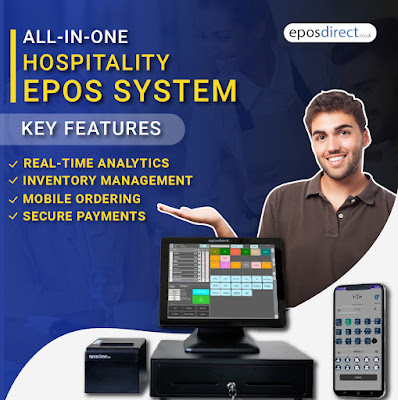
Efficiency and customer satisfaction are key priorities in the hospitality industry. To stay competitive and deliver exceptional service, businesses must constantly seek ways to streamline operations and enhance the guest experience. One powerful tool that has revolutionized the industry is the hospitality epos system. By leveraging the capabilities of these advanced systems, businesses can optimize their operations, improve efficiency, and ultimately enhance customer satisfaction.

Hospitality epos software offers a range of features designed specifically for the needs of restaurants, hotels, and other establishments in the industry. These systems combine hardware and software components to provide a comprehensive solution for managing various aspects of the business, including order processing, inventory management, payment processing, and customer relationship management.

One of the key advantages of EPOS systems is the automation of manual processes. With traditional methods, staff members had to manually take orders, calculate bills, and update inventory records. This not only increased the chances of errors but also consumed valuable time and resources. EPOS systems streamline these tasks by automating the process. Orders are entered directly into the system, bills are calculated accurately, and inventory levels are automatically updated in real time. This automation reduces the risk of errors and frees up staff members to focus on providing better customer service.

Boosting Efficiency and Customer Satisfaction with Hospitality EPOS Systems


Efficiency is further enhanced through the integration of various modules within the restaurant epos system UK. For example, when a customer places an order, the system can instantly transmit it to the kitchen or bar, ensuring that the order is prepared promptly. It eliminates the need for staff members to physically deliver the order, reducing wait times and increasing overall efficiency. Additionally, integrated inventory management modules help businesses keep track of stock levels, automatically generating alerts when items need to be reordered. It prevents stockouts and enables better planning, leading to smoother operations and satisfied customers.

EPOS systems also facilitate seamless payment processing, which is crucial for customer satisfaction. With integrated payment modules, customers can settle their bills quickly and conveniently using a variety of methods, including credit cards, mobile payments, or even contactless options. This reduces the time spent on payment processing, minimizing wait times and improving the overall dining or check-out experience for customers.

Moreover, the point-of-sale system enables businesses to gather valuable data about their customers, which can be used to enhance their experience and build stronger relationships. Customer relationship management (CRM) features within EPOS systems capture information such as preferences, order history, and contact details. This data can be leveraged to provide personalized experiences, tailor marketing efforts, and offer targeted promotions. By understanding their customers better, businesses can anticipate their needs and provide a higher level of service, ultimately leading to increased satisfaction and loyalty.

In addition to operational efficiency, EPOS systems also provide valuable analytical insights. These systems generate detailed reports and analytics, offering businesses a comprehensive overview of their performance. Managers can analyze sales trends, identify popular items, and track staff productivity. This data-driven approach enables informed decision-making, helping businesses optimize their operations, identify areas for improvement, and make strategic changes to drive growth and profitability.

To summarize, the epos system for restaurants has become an indispensable tool for boosting efficiency and enhancing customer satisfaction in the hospitality industry. By automating manual processes, integrating various modules, facilitating seamless payments, and providing valuable data insights, these systems optimize operations and enable businesses to deliver exceptional service. In an increasingly competitive landscape, investing in an EPOS system for hospitality is a smart choice for businesses looking to stay ahead and provide a superior guest experience.

How Hospitality Epos Systems Can Help You Manage Hospitality Business?

Efficiency and a focus on customer experience are paramount in today’s fast-paced world. Whether you run a bustling restaurant, a charming b...