Showing posts with label epos system for restaurant. Show all posts

How Epos Systems for Hospitality Benefit Front-Of-House Operations

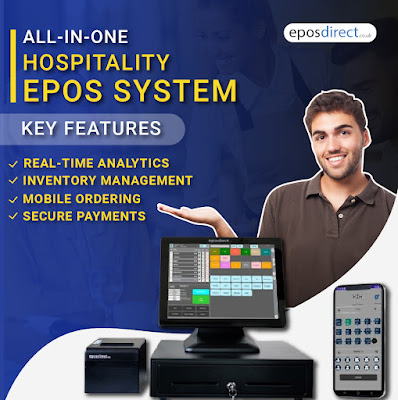
In the competitive world of hospitality, providing excellent customer service is paramount. Front-of-house operations play a crucial role in delivering a memorable dining experience to guests. One tool that has revolutionized front-of-house operations in the hospitality industry is Electronic Point of Sale (EPOS) systems. These sophisticated systems have become an integral part of modern restaurants, cafes, bars, and hotels, offering a wide range of benefits that significantly enhance front-of-house operations.

1. Improved Order Accuracy:

EPOS system for restaurants is designed to streamline the ordering process, reducing the risk of human error. Servers can input orders directly into the system, and the information is transmitted to the kitchen and bar staff, eliminating misunderstandings or miscommunications. It leads to higher order accuracy, reducing the likelihood of incorrect orders being served to customers. When guests receive exactly what they ordered, it enhances their dining experience and satisfaction.

How Epos Systems for Hospitality Benefit Front-Of-House Operations


2. Faster Order Processing:

Efficiency is essential in the hospitality industry. EPOS systems facilitate faster order processing by sending orders directly to the kitchen or bar, reducing the time it takes for food and drinks to reach the guests. This not only improves customer satisfaction but also allows the establishment to serve more customers in a shorter amount of time, increasing revenue potential.

3. Real-time Inventory Management:

Electronic point of sale often includes inventory management features that monitor stock levels in real time. This helps front-of-house staff know which items are available and which are out of stock, preventing them from making promises to customers that cannot be fulfilled. By optimizing inventory management, establishments can reduce waste and control costs effectively.

4. Enhanced Customer Experience:

Easy to store customer data, including preferences, dietary restrictions, and past orders. This information can be used to personalize the dining experience. For example, a server can recommend dishes based on a guest's previous orders, ensuring a more tailored and enjoyable visit. Furthermore, EPOS systems can facilitate loyalty programs and rewards, which incentivize repeat business and customer loyalty.

5. Table Management and Reservations:

EPOS system for small businesses typically offers table management and reservation features. Front-of-house staff can efficiently allocate tables, optimize seating arrangements, and keep track of reservations. This ensures that customers are seated promptly, reducing wait times and enhancing the overall dining experience. Additionally, EPOS systems can send automated reminders to customers about their upcoming reservations, reducing the likelihood of no-shows.

6. Split Billing and Payment Options:

Handling payments and splitting bills can be a time-consuming and error-prone process. EPOS systems simplify this task by allowing servers to split bills among diners accurately. Customers can choose their preferred payment methods, whether it's cash, credit card, or mobile payment apps. This convenience not only speeds up the payment process but also reduces the chances of errors in calculating bills.

7. Streamlined Reporting and Analytics:

EPOS system provides detailed reporting and analytics capabilities, allowing front-of-house managers to gain insights into sales trends, popular menu items, and customer behaviour. This data can be used to make informed decisions, such as adjusting menu offerings or pricing strategies. It also helps in optimizing staff schedules to match peak dining hours, improving operational efficiency.

8. Integration with Other Systems:

EPOS systems can integrate with various other software and hardware solutions, such as reservation platforms, kitchen display systems, and customer relationship management (CRM) software. These integrations enhance the overall efficiency and effectiveness of front-of-house operations. For example, integrating with a CRM system can help businesses better understand their customer's preferences and behaviour, enabling targeted marketing campaigns.

9. Compliance and Security:

EPOS systems help ensure compliance with financial regulations and security standards. They facilitate the secure handling of payment data, reducing the risk of fraud or data breaches. This not only protects the business but also instills trust in customers who can dine with confidence knowing their payment information is secure.

In conclusion, the EPOS system for hospitality has become an indispensable tool for front-of-house operations in the hospitality industry. They streamline processes, enhance customer experiences, and provide valuable data and insights for informed decision-making. Implementing a robust EPOS system can lead to improved efficiency, increased customer satisfaction, and ultimately, higher revenue for hospitality businesses. As technology continues to advance, EPOS systems are likely to play an even more significant role in shaping the future of front-of-house operations in the hospitality sector.

Future-Proofing the Hospitality Industry with EPOS Systems for Hospitality

The hospitality industry has undergone significant transformations in recent years, with technology playing a pivotal role in shaping the guest experience. One of the most influential technological innovations in this sector is the Electronic Point of Sale (EPOS) system. EPOS system for small businesses has revolutionized the way hospitality businesses operate, from restaurants and hotels to bars and cafes. In this article, we will explore the importance of EPOS systems in future-proofing the hospitality industry and how they are reshaping the landscape.

The Evolution of EPOS Systems

Electronic Point of Sale (EPOS) systems have come a long way since their inception. Originally designed as basic cash registers, they have evolved into sophisticated and versatile tools tailored specifically for the hospitality sector. Today, modern EPOS systems are more than just transactional devices; they are comprehensive solutions that help streamline operations, enhance customer experiences, and provide valuable insights.

Streamlining Operations

One of the primary benefits of EPOS systems in hospitality is their ability to streamline operations. In a fast-paced industry where efficiency is key, restaurant EPOS system UK offers a range of features that simplify tasks for staff and management alike. They enable real-time order processing, inventory management, and seamless communication between the front and back of the house.

For example, in a restaurant setting, EPOS systems can instantly transmit customer orders from the table to the kitchen, reducing the risk of errors and improving service speed. This not only enhances the customer experience but also increases table turnover and revenue potential.

Enhancing the Customer Experience

In an era where customer satisfaction is paramount, EPOS systems play a pivotal role in enhancing the guest experience. They enable personalization by allowing staff to access customer preferences and order history, enabling tailored recommendations and more personalized service.

Furthermore, EPOS systems for Hospitality can integrate with customer loyalty programs and offer various payment options, including mobile payments and contactless transactions. This flexibility caters to the preferences of modern consumers who seek convenience and speed in their interactions with hospitality businesses.

Data-Driven Decision Making

In an increasingly competitive industry, data-driven decision-making is essential for success. EPOS systems capture a wealth of data, including sales trends, peak hours, and customer behaviour. By analyzing this information, businesses can make informed decisions about menu offerings, pricing strategies, and staffing levels.

Moreover, EPOS systems can help identify high-performing items and track inventory levels in real time, reducing food waste and operational costs. This data-driven approach not only boosts profitability but also contributes to sustainability efforts—a growing concern in the hospitality industry.

Adaptability and Scalability

One of the key factors in future-proofing any industry is adaptability. EPOS systems are designed to evolve with changing industry trends and consumer preferences. They are highly customizable and can be adapted to suit the unique needs of different hospitality businesses.

For example, a hotel can use an EPOS system to manage room reservations, spa appointments, and dining reservations all from a centralized platform. Similarly, a bar can integrate its EPOS system for restaurants with inventory management software to track liquor usage and reorder supplies automatically. This adaptability ensures that EPOS systems remain relevant and effective in a dynamic industry.

Additionally, EPOS systems are scalable, allowing businesses to expand their operations without the need for significant infrastructure changes. Whether opening new locations or introducing additional services, EPOS systems can seamlessly accommodate growth.

Security and Compliance

The hospitality industry is no stranger to security and compliance challenges, especially when it comes to handling sensitive customer data and payment information. EPOS systems are designed with robust security features to protect against data breaches and unauthorized access.

They also help businesses comply with industry-specific regulations, such as the Payment Card Industry Data Security Standard (PCI DSS) for handling credit card information. Compliance with these standards is crucial for maintaining trust with customers and avoiding hefty fines.

The Role of Mobility

The hospitality industry is increasingly embracing mobility as a way to enhance the guest experience. EPOS systems have adapted to this trend by offering mobile and tablet-based solutions. Servers can take orders directly at the table, reducing wait times and improving accuracy. Hotel staff can check guests in and out with mobile EPOS devices, providing a seamless and efficient check-in experience.

Mobile EPOS systems also facilitate on-the-go payments, allowing customers to settle their bills conveniently from their smartphones. This not only speeds up the payment process but also minimizes physical contact—a critical consideration in the post-pandemic era.

Future Trends and Innovations

Looking ahead, the future of EPOS systems in the hospitality industry promises even more innovations. Artificial intelligence (AI) and machine learning capabilities will become increasingly integrated into EPOS systems, enabling predictive analytics, menu optimization, and intelligent customer engagement.

Voice recognition technology may also play a role, allowing customers to place orders or request assistance using voice commands. This enhances accessibility and convenience, particularly for individuals with disabilities or language barriers.

Blockchain technology is another potential area of development, offering enhanced security and transparency for transactions. By leveraging blockchain, EPOS systems can further enhance trust in the integrity of financial and operational data.

Conclusion

In conclusion, Electronic Point of Sale (EPOS) systems have become indispensable tools for the hospitality industry. They offer a wide range of benefits, from streamlining operations and enhancing the customer experience to providing valuable data insights and ensuring security and compliance. EPOS systems are highly adaptable and scalable, making them a crucial element in future-proofing hospitality businesses.

As the industry continues to evolve, the Hospitality EPOS system will play a central role in driving innovation and meeting the changing needs and expectations of consumers. By embracing these technological advancements, hospitality businesses can thrive in an increasingly competitive landscape and provide memorable experiences that keep guests coming back for more. Future-proofing the hospitality industry begins with embracing the power of EPOS systems, ensuring a bright and prosperous future for all stakeholders.

The Benefits of Hospitality EPOS Systems in Managing Inventory and Sales

In the modern world of the hospitality sector, managing inventory and sales efficiently is paramount to the success of any establishment. To meet this challenge head-on, many businesses have turned to Electronic Point of Sale (EPOS) systems tailored specifically for the hospitality industry. These sophisticated systems offer a wide range of benefits that can revolutionize the way restaurants, bars, hotels, and other hospitality businesses operate. In this article, we will explore the advantages of using an epos system for small businesses in managing inventory and sales, highlighting how they streamline operations, improve accuracy, and enhance customer satisfaction.

1. Streamlined Inventory Management

One of the primary benefits of Hospitality EPOS Systems is their ability to streamline inventory management. Traditional methods of tracking inventory, such as manual counts and spreadsheet management, are not only time-consuming but also prone to human error. EPOS systems automate the process, allowing businesses to maintain real-time, accurate inventory records.

These systems can track product levels, monitor ingredient usage, and even set up alerts for low stock levels. This proactive approach ensures that businesses never run out of essential items, preventing stockouts that can lead to unhappy customers and lost revenue. Additionally, it helps reduce the carrying costs associated with excess inventory by enabling more precise ordering and reducing food waste.

2. Improved Sales Tracking

Restaurant EPOS System UK offers robust sales tracking capabilities that go beyond simple cash register functions. They record sales data in real-time, allowing businesses to monitor which products are selling well and which ones need adjustment or promotion. This data-driven approach enables businesses to make informed decisions about pricing, menu changes, and marketing strategies.

Detailed sales reports generated by EPOS systems can provide insights into peak selling times, popular items, and customer preferences. This information empowers businesses to tailor their offerings to customer demands and optimize revenue streams.

3. Enhanced Employee Accountability

Effective inventory and sales management require accountability among employees. Hospitality EPOS Systems can help in this regard by providing individual login credentials for staff members. This means that every transaction, whether it's a sale or a stock adjustment, can be attributed to a specific employee. This not only discourages theft and unauthorized discounts but also helps identify training needs and performance issues.

Furthermore, EPOS systems for Hospitality can track employee hours worked, simplifying payroll processing and ensuring fair compensation. By fostering a culture of responsibility, these systems contribute to a more transparent and efficient workplace.

4. Integration and Efficiency

Hospitality EPOS Systems are designed to integrate seamlessly with other business tools, such as accounting software, reservation systems, and kitchen display systems. This integration streamlines operations, reduces manual data entry, and minimizes the risk of errors. For example, when a customer places an order, it can be automatically relayed to the kitchen, reducing the time it takes to prepare the food and improving overall service speed.

Moreover, the data collected by EPOS systems can be used to generate actionable insights for decision-makers. It facilitates data-driven decisions, optimizing various aspects of the business, from pricing strategies to marketing campaigns.

5. Enhanced Customer Experience

In today's competitive hospitality industry, providing an exceptional customer experience is vital for attracting and retaining customers. Hospitality EPOS Systems contribute to this goal in several ways:

a. Speedy Service: EPOS systems expedite order processing, reducing waiting times for customers. This is especially important in busy restaurants and bars where quick service is a priority.

b. Order Accuracy: The risk of human error in taking and entering orders is significantly reduced with EPOS systems, ensuring customers receive the correct items as ordered.

c. Loyalty Programs: Many EPOS systems offer loyalty program integration, allowing businesses to reward loyal customers and encourage repeat visits.

d. Contactless Payments: Hospitality EPOS system often supports various payment methods, including contactless and mobile payments, enhancing convenience for customers.

6. Data Security and Compliance

Hospitality businesses handle sensitive customer information, including payment card data. EPOS systems are designed with robust security features to protect this information, reducing the risk of data breaches and ensuring compliance with industry regulations.

Moreover, these systems can help businesses maintain accurate records for tax purposes, simplifying tax reporting and ensuring compliance with tax laws. This can save time and money for businesses during tax season.

7. Scalability and Flexibility

Hospitality EPOS Systems are scalable, making them suitable for businesses of all sizes, from small cafes to large hotel chains. As a business grows, the system can expand with it, accommodating the increased volume of transactions and inventory items.

Additionally, EPOS systems are flexible and can be customized to meet the unique needs of different hospitality establishments. Whether it's a fine dining restaurant, a fast-food chain, or a boutique hotel, the system can be tailored to suit the specific requirements of the business.

Conclusion

EPOS System for Restaurants has become an indispensable tool for managing inventory and sales in the hospitality industry. They offer a wide range of benefits, from streamlining inventory management and improving sales tracking to enhancing employee accountability and customer experiences. Moreover, these systems provide data security, compliance, and scalability, making them suitable for businesses of all sizes and types.

In an industry where efficiency, accuracy, and customer satisfaction are paramount, the hospitality or Pub EPOS system empowers businesses to thrive in an increasingly competitive market. Embracing this technology can lead to improved operations, increased profitability, and a better overall experience for both employees and customers.

How EPOS Systems Are Changing the Game in Hospitality?

The hospitality industry has always been known for its dynamic and fast-paced nature, with businesses constantly seeking ways to enhance customer experiences and streamline operations. In recent years, one technological innovation that has significantly transformed the landscape of the hospitality sector is the Electronic Point of Sale (EPOS) system. EPOS systems have become integral to the success of restaurants, hotels, bars, and other hospitality establishments, revolutionizing the way they operate and serve their customers. In this article, we will delve into how EPOS systems are changing the game in the hospitality industry.

Streamlined Operations

Traditionally, managing a hospitality establishment's operations involved numerous manual processes, including taking orders, processing payments, and tracking inventory. These tasks were not only time-consuming but also prone to errors, leading to inefficiencies and customer dissatisfaction. EPOS systems have emerged as a game-changer by automating and centralizing these operations.

With an EPOS system in place, orders can be taken electronically and sent directly to the kitchen or bar, reducing the chances of miscommunication between the front-of-house and back-of-house staff. This leads to faster order processing, shorter wait times, and improved customer satisfaction. Additionally, EPOS systems facilitate accurate billing and payment processing, reducing the likelihood of errors in bill calculations and ensuring a smoother checkout process.

Enhanced Customer Experience

In the hospitality industry, providing an exceptional customer experience is paramount. EPOS system for Hospitality contributes significantly to this by allowing establishments to personalize their services and cater to individual customer preferences. These systems can store customer data, such as order history and dietary restrictions, enabling staff to provide tailored recommendations and offer a more personalized service.

Moreover, EPOS systems often integrate with customer loyalty programs, enabling businesses to reward repeat customers and incentivize them to return. This enhances customer retention and fosters a sense of loyalty towards the establishment.

Real-Time Insights

Data-driven decision-making has become a cornerstone of success in various industries, including hospitality. EPOS software provides real-time insights into key metrics such as sales trends, peak hours, and popular menu items. This information empowers businesses to make informed decisions about pricing, inventory management, and marketing strategies.

For instance, if an EPOS system reveals that a particular dish is consistently popular during certain times of the day, the establishment can adjust its staffing and ingredient orders accordingly. Similarly, if sales of a specific item are declining, the business can strategize ways to reinvigorate interest in that item, such as offering promotions or making recipe modifications.

Inventory Management

Effective inventory management is crucial in the hospitality industry to prevent overstocking, reduce wastage, and ensure that popular items are always available. EPOS systems play a pivotal role in optimizing inventory management processes.

By tracking sales in real time, EPOS systems provide accurate data on which items are selling quickly and which ones are moving slowly. This information aids in making informed decisions about restocking and helps in preventing shortages during peak hours. Additionally, EPOS systems can generate automatic alerts when the stock of a particular item falls below a certain threshold, streamlining the restocking process.

Efficient Reporting and Compliance

The hospitality industry is subject to various regulations and compliance requirements, ranging from food safety standards to tax regulations. Electronic till systems simplify the reporting and compliance process by generating detailed and accurate reports that can be easily shared with relevant authorities.

For instance, these systems can automatically calculate and record taxes, reducing the chances of errors in tax reporting. Similarly, they can track allergen information and provide accurate details to customers, ensuring compliance with food safety regulations.

Integration and Scalability

Many modern EPOS systems are designed to integrate with other software and services, offering a holistic solution for hospitality businesses. They can seamlessly connect with accounting software, online ordering platforms, reservation systems, and more. This integration streamlines operations and reduces the need for manual data entry across different platforms.

Furthermore, EPOS systems are scalable, meaning they can adapt to the changing needs of a business as it grows. Whether it's a single-location restaurant or a hotel chain with multiple properties, EPOS systems can be tailored to accommodate varying levels of complexity.

Contactless and Mobile Solutions

The global pandemic accelerated the adoption of contactless technologies across industries, and hospitality was no exception. EPOS systems have played a crucial role in enabling contactless ordering, payment, and delivery options. Customers can now place orders and make payments using their smartphones, reducing physical contact and enhancing safety.

Mobile EPOS solutions also allow staff to take orders and process payments directly at the table, improving efficiency and minimizing wait times. This trend towards contactless and mobile solutions is likely to persist even after the pandemic subsides, as customers have grown accustomed to the convenience and safety these options offer.

Conclusion

EPOS systems for restaurants have emerged as a transformative force in the hospitality industry, revolutionizing operations, enhancing customer experiences, and driving data-driven decision-making. It can be integrated with Kitchen Display System UK for online ordering, streamlining operations, providing real-time insights, improving inventory management, and ensuring compliance with regulations. The integration of contactless and mobile solutions further highlights the adaptability and innovation that EPOS systems bring to the sector. As the hospitality industry continues to evolve, EPOS systems will remain a cornerstone of success, shaping the way establishments serve their customers and manage their operations.

Streamlining Business Operations: The Power of EPOS Systems

In today's fast-paced and highly competitive business landscape, efficiency and productivity are paramount for any organization looking to thrive. One crucial aspect of achieving these goals is streamlining business operations. Companies are constantly on the lookout for innovative solutions to enhance their processes, and one such tool that has revolutionized the way businesses operate is the Electronic Point of Sale (EPOS) system.

What is an EPOS System?

An EPOS system is a combination of hardware and software designed to facilitate sales and manage essential business operations. Traditionally, businesses relied on manual cash registers to process transactions, maintain inventory, and track sales data. However, the advent of technology brought forth EPOS systems, which significantly improved and automated these processes.

Streamlining Business Operations: The Power of EPOS Systems

An EPOS system typically comprises a touch-screen device, barcode scanners, receipt printers, and a central computer or cloud-based software that stores and manages data. It provides seamless integration of sales, inventory management, customer data, and reporting, thereby streamlining business operations in various industries.

Enhancing Efficiency at the Point of Sale

One of the primary benefits of epos systems for hospitality is its ability to enhance efficiency at the point of sale. The intuitive touch-screen interface simplifies the checkout process, allowing employees to process transactions quickly and accurately. This not only reduces waiting times for customers but also minimizes the chances of human error in pricing or inventory tracking.

Furthermore, EPOS systems can be integrated with payment gateways, enabling businesses to accept a wide range of payment methods, such as credit cards, mobile payments, and contactless options. By accommodating various payment preferences, businesses can improve customer satisfaction and increase sales.

Real-Time Inventory Management

Inventory management is a critical aspect of any retail or hospitality business. Before the restaurant EPOS system UK, managing inventory involved manual stock counts and often led to discrepancies and stockouts. With EPOS systems, inventory management becomes seamless and efficient.

EPOS systems provide real-time updates on inventory levels as each sale is processed. When an item is scanned at the point of sale, it is immediately deducted from the inventory count, providing an accurate and up-to-date view of stock levels. This enables businesses to optimize their stock ordering, avoid overstocking, and stay prepared for peak demand periods.

Comprehensive Sales Reporting and Analytics

Data is a goldmine for businesses seeking to make informed decisions. EPOS system for restaurant captures and store vast amounts of data related to sales, inventory, and customer behaviour. With robust reporting and analytics tools, businesses can gain valuable insights into their operations.

Sales reports can provide information on top-selling products, slow-moving items, and sales trends over time. This data helps businesses identify their most profitable products and plan promotions effectively. Furthermore, customer data gathered through the hospitality EPOS system can be used for targeted marketing campaigns and personalized promotions, thereby increasing customer loyalty and engagement.

Integration with Other Business Systems

An EPOS system can act as the central hub that connects various aspects of a business. It can be integrated with other systems such as accounting software, customer relationship management (CRM) tools, and loyalty programs. This integration streamlines data flow and eliminates the need for manual data entry between systems.

For instance, sales data from the EPOS system can automatically update the accounting software, simplifying bookkeeping processes. Integration with CRM systems allows businesses to understand their customers better and offer tailored experiences, while loyalty program integration rewards loyal customers and encourages repeat business.

Streamlining Staff Management

Efficient staff management is vital for any business, and the EPOS system for fashion stores can significantly contribute to this aspect as well. These systems can be used to track employee working hours, monitor sales performance, and manage shift schedules. This data helps in assessing staff productivity, identifying training needs, and optimizing staffing levels during peak hours.

Additionally, EPOS systems with user-specific access rights help prevent unauthorized access to sensitive data and reduce the risk of internal theft or fraud.

Scalability and Flexibility

EPOS systems for pharmacy stores are designed to cater to businesses of all sizes, from small retail stores to large multi-location enterprises. Their scalability and flexibility make them an attractive choice for businesses with expansion plans. As the business grows, the EPOS system can accommodate additional devices and functionalities without major disruptions.

Furthermore, cloud-based EPOS solutions have gained popularity due to their ease of implementation and accessibility. Cloud-based systems allow business owners to access real-time data and manage their operations remotely from any device with an internet connection.

Conclusion

In conclusion, EPOS systems have transformed the way businesses operate by streamlining essential processes and providing valuable insights through data analytics. From enhancing efficiency at the point of sale to real-time inventory management and seamless integration with other business systems, EPOS systems have become indispensable tools for modern businesses.

By embracing the power of EPOS systems, businesses can optimize their operations, improve customer experiences, and stay ahead of the competition. As technology continues to advance, we can expect EPOS systems to evolve further and play an even more significant role in shaping the future of business operations.

Boosting Efficiency and Customer Satisfaction with Hospitality EPOS Systems

Efficiency and customer satisfaction are key priorities in the hospitality industry. To stay competitive and deliver exceptional service, businesses must constantly seek ways to streamline operations and enhance the guest experience. One powerful tool that has revolutionized the industry is the hospitality epos system. By leveraging the capabilities of these advanced systems, businesses can optimize their operations, improve efficiency, and ultimately enhance customer satisfaction.

Hospitality epos software offers a range of features designed specifically for the needs of restaurants, hotels, and other establishments in the industry. These systems combine hardware and software components to provide a comprehensive solution for managing various aspects of the business, including order processing, inventory management, payment processing, and customer relationship management.

One of the key advantages of EPOS systems is the automation of manual processes. With traditional methods, staff members had to manually take orders, calculate bills, and update inventory records. This not only increased the chances of errors but also consumed valuable time and resources. EPOS systems streamline these tasks by automating the process. Orders are entered directly into the system, bills are calculated accurately, and inventory levels are automatically updated in real time. This automation reduces the risk of errors and frees up staff members to focus on providing better customer service.

Boosting Efficiency and Customer Satisfaction with Hospitality EPOS Systems


Efficiency is further enhanced through the integration of various modules within the restaurant epos system UK. For example, when a customer places an order, the system can instantly transmit it to the kitchen or bar, ensuring that the order is prepared promptly. It eliminates the need for staff members to physically deliver the order, reducing wait times and increasing overall efficiency. Additionally, integrated inventory management modules help businesses keep track of stock levels, automatically generating alerts when items need to be reordered. It prevents stockouts and enables better planning, leading to smoother operations and satisfied customers.

EPOS systems also facilitate seamless payment processing, which is crucial for customer satisfaction. With integrated payment modules, customers can settle their bills quickly and conveniently using a variety of methods, including credit cards, mobile payments, or even contactless options. This reduces the time spent on payment processing, minimizing wait times and improving the overall dining or check-out experience for customers.

Moreover, the point-of-sale system enables businesses to gather valuable data about their customers, which can be used to enhance their experience and build stronger relationships. Customer relationship management (CRM) features within EPOS systems capture information such as preferences, order history, and contact details. This data can be leveraged to provide personalized experiences, tailor marketing efforts, and offer targeted promotions. By understanding their customers better, businesses can anticipate their needs and provide a higher level of service, ultimately leading to increased satisfaction and loyalty.

In addition to operational efficiency, EPOS systems also provide valuable analytical insights. These systems generate detailed reports and analytics, offering businesses a comprehensive overview of their performance. Managers can analyze sales trends, identify popular items, and track staff productivity. This data-driven approach enables informed decision-making, helping businesses optimize their operations, identify areas for improvement, and make strategic changes to drive growth and profitability.

To summarize, the epos system for restaurants has become an indispensable tool for boosting efficiency and enhancing customer satisfaction in the hospitality industry. By automating manual processes, integrating various modules, facilitating seamless payments, and providing valuable data insights, these systems optimize operations and enable businesses to deliver exceptional service. In an increasingly competitive landscape, investing in an EPOS system for hospitality is a smart choice for businesses looking to stay ahead and provide a superior guest experience.

The Importance Of Epos System For A Restaurant.

An EPOS (Electronic Point of Sale) system is crucial for the smooth operation and success of a restaurant. It provides numerous benefits that enhance efficiency, accuracy, and customer satisfaction. Here are some key reasons why an EPOS system is important for a restaurant:

Streamlined Order Management: An EPOS system for restaurants allows staff to quick and accurately take orders. It streamlines the process by eliminating the need for handwritten notes or verbal communication between servers and kitchen staff. Orders are directly entered into the system, reducing errors and ensuring that all necessary details are captured.

Inventory Management: Helps in efficient inventory management by automatically tracking stock levels. As orders are placed, the system deducts the items used from the inventory, providing real-time data on ingredient quantities. This feature helps prevent overstocking or running out of crucial ingredients, optimizing supply chain management and reducing costs.

Menu and Pricing Control: With an electronic point-of-sale system, restaurants can easily manage menus and pricing. Changes to the menu, special offers, or pricing can be updated across all devices and terminals instantly. This ensures consistency in information and eliminates the need for manual price adjustments, reducing the chances of errors and discrepancies.

The Importance Of Epos System For A Restaurant


Enhanced Reporting and Analytics: EPOS     provide valuable insights through detailed reporting and analytics. Restaurant owners and managers can access comprehensive data on sales, revenue, inventory usage, and customer preferences. This information allows them to make informed business decisions, identify trends, and optimize operations for better profitability.

Efficient Payment Processing: Streamline the payment process by accepting various payment methods, such as cash, credit/debit cards, and mobile payments. They calculate the total bill accurately, apply for discounts or promotions automatically, and provide a seamless transaction experience for customers. This leads to faster service and improved customer satisfaction.

Integration with Other Systems: Easily integrate with other restaurant management systems, such as accounting software, customer relationship management (CRM) tools, and online ordering platforms. This integration facilitates a smooth data flow between different systems, eliminating the need for manual data entry and reducing the chances of errors.

Table Management and Reservations: Often include features for table management and reservations. They allow hosts or hostesses to efficiently manage seating arrangements, track table availability, and manage reservations effectively. This ensures optimal utilization of seating capacity and reduces wait times, enhancing the overall dining experience.

In summary, the POS till system plays a vital role in the restaurant industry by improving order management, inventory control, pricing accuracy, reporting and analytics, payment processing, integration with other systems, and table management. By leveraging these benefits, restaurants can streamline their operations, enhance customer satisfaction, and drive overall success. Check for the best epos system for sale offers and choose Epos Direct for the best epos system.

The Importance of POS Systems for the Hospitality Industry While Implementing?

The importance of POS systems has increased significantly in recent times, especially with the emergence of cloud-based POS systems. Therefore, it is no longer enough to think of a point-of-sale system comparable to the retail till system. These systems are now smart service solutions that have the potential to fundamentally change hospitality businesses.  

Effective use of point-of-sale systems allows businesses to quickly and conveniently provide services to customers, allowing them to efficiently pay for goods and services, using multiple methods – often without must go to a dedicated payment area. However, the benefits of a point-of-sale system go beyond the customer experience. 

The use of point-of-sale systems allows for instant and continuous communication between different departments and even different branches of the same company. Systems can help eliminate miscalculations and can also ensure that all parts of the business have access to the most important information regarding inventory and availability. 

When used to their full potential, point-of-sale systems can help with reporting, data analysis, and many other internal processes critical to business success. Best of all, the best epos system for a restaurant can improve employee productivity, eliminate unnecessary friction, automatically apply special offers on purchases, and help with business administration.  

3 Pain points you may encounter when implementing a POS system in your business

When implementing an epos system in a business in the hospitality industry, you may encounter three main problems. In the sections below, you can learn more about these and how to fix them.  

1) Define your business scope and the purpose of the epos system therein

First of all, it is important to clarify that the goals of the point of sale system and the selection criteria can vary depending on the size of the company. A small local business operating out of a building may only need a simple system, but if you are a hotel or restaurant chain, you may need a system that is accessible from anywhere and managed from the outside. With that in mind, you need to define your business, your goals, and why you need a point-of-sale system. 

2) Define the functions you need from the point of sale, including analytics

Next, it's important to use the scope you defined in the previous step to determine the features you need from your epos system for a cafe. Do you need retail functionality? Takeaway feature? What about a webshop? Do you need analytical tools? How much customization do you need? In this context, you must also take into account your plans and the evolution of your needs over the coming months and years. 

3) Train employees to use the point-of-sale system

While epos systems are a powerful tool in the hotel industry, they are not only useful for hospitality management. Your regular employees will have to use the till systems for hospitality daily, which requires training. However, you need to think about this holistically rather than just teaching employees how to use the offered features. How can an employee determine the payment period for an additional sale? Where can employees find product or service information? Try to train your employees to practically use the full range of tools they have.

How to Choose a Hospitality EPOS System

If you're running a business, chances are good that you need a point-of-sale machine to complete consumer purchases and bars are no exception. The components of a POS machine include hardware, software, and operational features.  

Not all POS machines are created equal and some will suit your business better than others. You may just need a simple system to complete business transactions, or you may need a full-service option that also tracks inventory, and employee tips, and integrates with other apps. Before choosing from the available epos system for wine & liquor, assess your business needs and assess how each option meets those needs. 

Epos System For Pub & Bar 

Epos system for a restaurant or bar, you'll need to buy or rent your hardware components, although industry experts recommend avoiding leasing because of the long-term and irrevocable contract. The over-the-counter POS station typically includes a tablet and stand, a receipt printer, and a cash drawer. You will also need a card reader.

Depending on your needs and budget, you may want to integrate other peripherals for a seamless POS station, including barcode scanners, scales, and liquor control devices. Bars with kitchens and cocktail servers will require additional equipment. For example, if you serve food in your bar, you will need a kitchen printer or kitchen display system (KDS).

Since bars are often fast-paced environments with occasional spills, smaller accessories like a waterproof tablet case can be a good investment to keep your gear up and running. POS hardware such as kiosks, digital menu boards, and coin dispensers are available, but they are usually not essential for a bar's POS system.

Epos Software

Most POS software is software as a service (SaaS) and cloud-based or application-based, although you can also choose a local server-based option. The best POS software for your business will depend on the size and capacity of your bar.

Due to its affordability and ease of use, cloud-based POS software has become very popular among the business community. This type of software can be easily installed on your POS terminal or tablet and offers many features including the ability to store and view your sales data online. The type of integration you implement with this software will depend on the plan you choose from your service provider. While the cloud-based software is easy to deploy and maintain for most bars, it can be slow and prone to crashing if you have an unstable internet connection.  

Locally hosted POS software is the old way of operating an epos system for a hotel or bar. With this option, your data is stored on-local server, which can cause problems for managers who need to access their data sets outside of the bar. This option is more expensive and usually only beneficial for very large facilities. If you run a small or medium-sized bar, cloud-based point-of-sale software is probably the best option for your business.

Choose The Best Bar POS System

When choosing the best epos system for your bar, it's important to consider what POS features you need and your available budget. You don't want to be stuck with something that has all those features you'll never use or worse, can't grow with your business. To make sure you're making an informed decision, consider the following:

Does it meet your specific business needs? 

Some POS systems cater to retailers, while others cater to hospitality. So be sure to look for one that suits your specific needs. You want to choose one designed with the bars in mind, not the one that makes it the afterthought. 

Can it support your growth? 

It is important to anticipate the growth of your business and choose a bar POS system that allows you to grow as you see fit.

Is it affordable for your budget? 

There are many POS systems on the market with different price points. You want to choose one that fits your budget. The point of sale is designed to help you run your business better. If expenses are too high, it can harm your cash flow.

Is the software compatible with your other business applications? 

A good bar POS will easily integrate with your accounting software and other business apps to give you a holistic view of your business. If the POS system doesn't integrate with your existing software and you don't want to switch providers, choose another POS provider.


How To Choose The Best Epos System For Your Restaurant Business?

Running a restaurant can be overwhelming, from keeping track of your inventory to managing your employees. Fortunately, a POS machine can help automate your tasks and simplify your process.

When choosing a Epos system for restaurant, you need to identify the needs you encounter in a restaurant business. Then, search for a POS machine that can fulfill your requirements and help put an end to your challenges.

Here, we have identified 5 essential features that make sure the smooth running of your business operations.

Usability

Usability is one of the important features you should look out for whilst buying your epos system. You need a POS that is simple to use so that you can carry out and run your business operations efficiently, not a POS machine that will make your operations more complicated than it is. Also, a POS machine speeds up transactions so your customers will never be kept waiting whilst making transactions, thereby increasing your customer experience to grow your business.

Inventory Management

Proper inventory management is essential to your success as a restaurateur. It keeps you updated on the amount of food you need to order and the amount of food left in the store. Statistics display that 10% of food bought by restaurants gets wasted before they reach their customers, which happens due to a lack of proper inventory management.

A POS machine can save your restaurant business from several losses because it will give you insights into your restaurant delivery state. It helps to keep customers satisfied and you will be in the know when food items are about to run out of stock. This way, you can re-stock before they get exhausted, so your customers will continually have the food they want on the menu.

Table and Restaurant Reservation Management

Table and restaurant reservation management is a must-have feature of a POS machine for restaurants. Keeping track of the number of tables available can be a lot of work for you and your employees. Also, it`s less efficient because you may lose track of the numbers as more customers come in and leave.

It can reduce your level of organization and portray you as less efficient, especially whilst your staff leads your customers to the wrong tables that have already been reserved for different customers. To save yourself from the pressure of managing your tables and reservations manually, choose Epos system for cafe with the table and restaurant reservation management feature.

Data Recording

One of the best ways to thrive as a business is to be equipped with good knowledge regarding your customers. If you understand your customers and understand what they need, you can meet their expectations and make them happy.

Point of Sale Systems with a reporting feature saves and supplies you with insights into your customers` choices about your business so that you can track your customer experience and enhance wherein necessary. In addition, you will be able to customise your customer` experiences when you create customer profiles to know the type of purchases they make and their areas of interest, to create experiences that align with what they need. It`s good to know that thriving as a restaurant isn`t all about how your food tastes; retaining your customers and creating good experiences for your customers as well.

By using a POS system you can make informed decisions, from customer service to the type of recipes you make so your customers are always satisfied.

Reporting

Just as you need a epos system for hotel that offers actionable reports about your customers, you may need a POS system with an excellent reporting feature to give you insights into your sales, profits, and prices as a business. It allows you to track your finances to know whether you are making profits or running into losses.

Without a proper reporting feature, you may be in the dark about your business's financial state, and also you won`t recognise in case your business is getting ahead financially or not. Rather than tracking your finances on paper, choosing a POS with a reporting feature allow you to simplify the process and deliver exact results.

It provides you with real-time data on transactions, so that you are constantly updated regarding your finances, therefore enabling you to make higher financial decisions for your business.

How Hospitality Epos Systems Can Help You Manage Hospitality Business?

Efficiency and a focus on customer experience are paramount in today’s fast-paced world. Whether you run a bustling restaurant, a charming b...